
Świnoujście, Międzyzdroje and Wolin lie on two different islands, but they make one weekend plan if it is divided into three parts: forts and the resort in Świnoujście, nature and the promenade in Międzyzdroje, the early Middle Ages in Wolin. Below is a route in that order, with short descriptions of the places and a note on how to get from one island to the other.
Two islands and one crossing
Świnoujście is spread over several islands. According to Wikipedia, Uznam (Usedom) and Wolin are now linked by a road tunnel under the bed of the Świna, opened on 30 June 2023, and Wolin is linked to Karsibór by the Piast Bridge. Ferry crossings in the town still exist, but we do not give their timetables and rules of use, because they change. Check them with the operator before you travel. That is enough to know that the resort centre and the eastern part of the town lie on opposite sides of the strait.
Day one: fortifications and the resort in Świnoujście
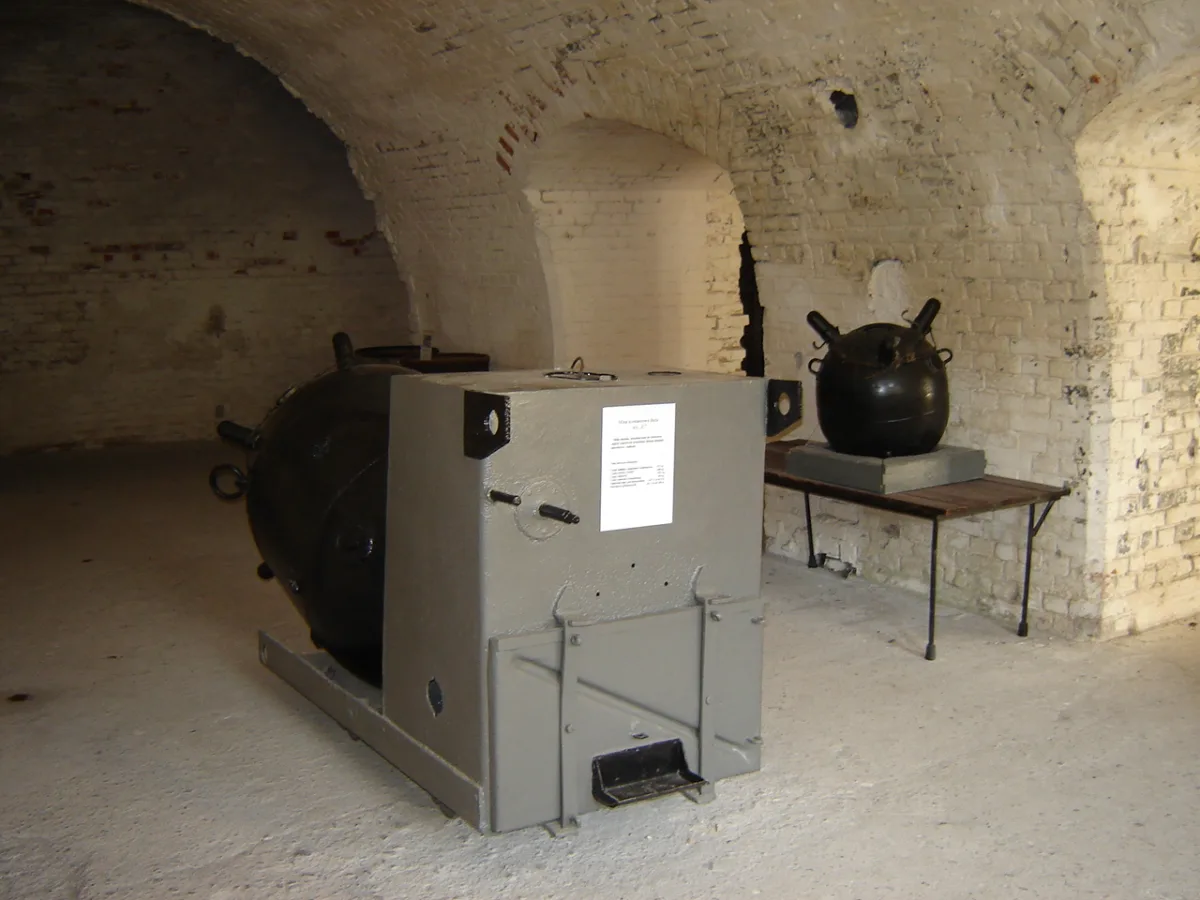
On the western side of the Świna stand two forts of the former fortress. Angel Fort is a three-storey brick rotunda from 1854-1858, in which a museum of military architecture now operates. Western Fort was built in 1856-1861 and has the Fortress History Museum in its redoubt. Both stand on Jachtowa Street, so they are easy to see in a single walk.
On the eastern side of the strait lies Gerhard Fort, a Prussian coastal fort from 1848-1859 with a museum in the redoubt. According to the website of the Coastal Defence Museum, the institution operates in three branches in historic forts. Nearby, in the same part of town, you can visit the Underground City: bunkers of the former Vineta battery from 1936-1938, linked in the Polish People's Republic period by corridors with a total length of 1,492 metres. It is visited with a guide. The rules for entry are given by the museum.
In the same area stands the Świnoujście Lighthouse. According to Wikipedia, it is the tallest on the Polish Baltic coast, 67.7 m high, and 308 steps lead to the top.
The evening is left for the resort on the Uznam side. The Spa Park was laid out in the 1820s, and its design is attributed to Peter Joseph Lenné. At the western end of the Historic Promenade, at the entrance to the beach, stand the brine graduation towers. If the weather turns bad, there is the Sea Fishing Museum in the former town hall from 1806, with an exhibition on the fauna of the Baltic and the history of the town.
Day two: Międzyzdroje and Wolin National Park
Międzyzdroje is the best-known resort on the island of Wolin. The Walk of Fame (Promenada Gwiazd) was set apart in 1996, after the Summer Festival of Stars. The slabs with the artists' handprints were moved in 2005 to the square next to it. Along the promenade there are also sculptures and plaques devoted to people associated with the festival.
From the promenade it is close to the national park. The Natural History Museum of Wolin National Park is housed in a pavilion opened in 1995, with five rooms and dioramas of the park's nature. According to Wikipedia, its collection of ruffs (a bird called “batalion” in Polish) is the richest in Poland. About 1.5 km from the centre, along a forest trail, lies the Bison Show Reserve, established in 1976. The walk one way takes roughly half an hour. Besides the bison, wolves and white-tailed eagles, among others, live there.
For a rainy afternoon or for children there is the water park by the beach. According to the site's website, it has five slides with a total length of 500 m, a lazy river and a sauna zone, and tickets can also be bought by people who are not hotel guests.
Stage three: Wolin and the early Middle Ages
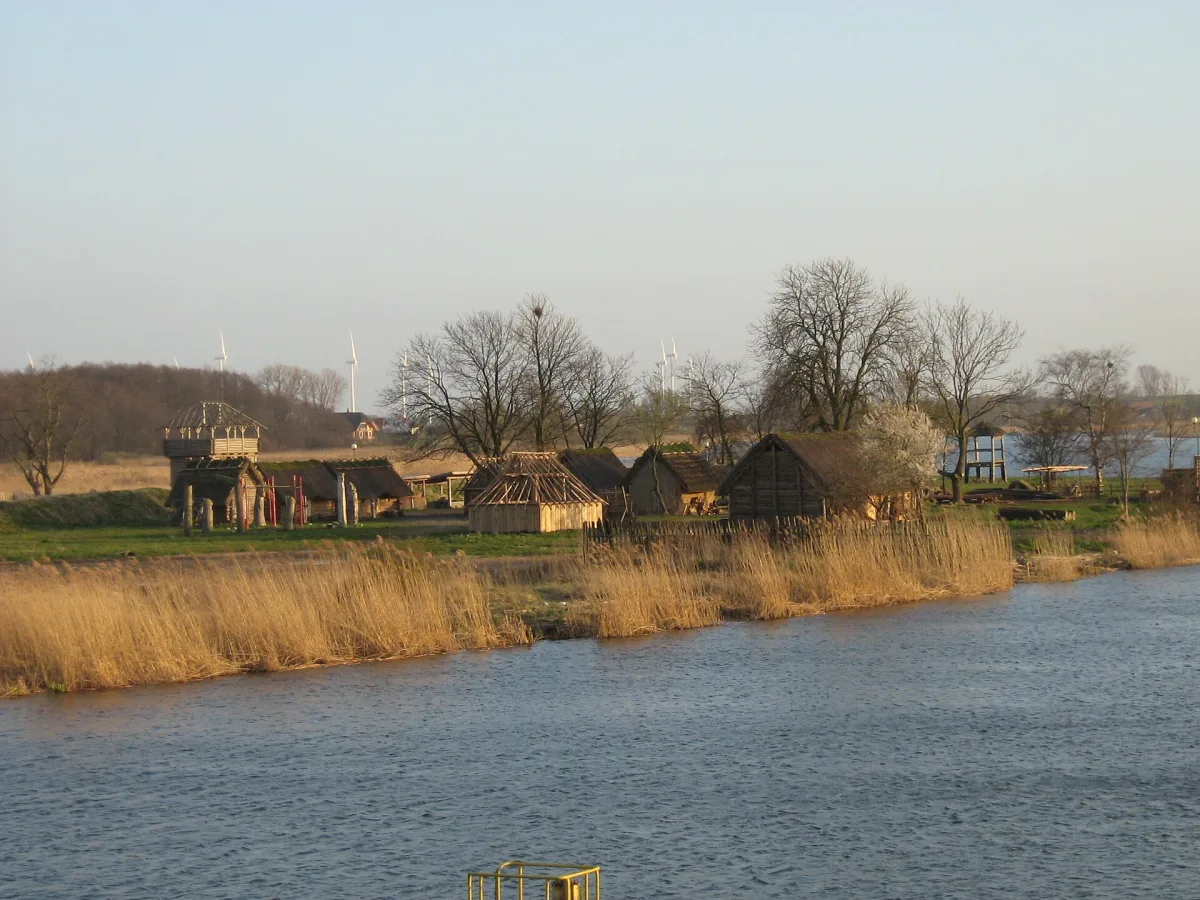
The town of Wolin lies on the Dziwna and is a good end to the weekend for people who like history. The open-air museum on Wolińska Kępa was opened on 7 April 2008. It contains huts, ramparts and a palisade referring to the buildings of early medieval Wolin, and is run by the Centre of Slavs and Vikings association. According to the centre's website, a festival is held there every year.
About 2 km from the town centre, on the Dziwna, lies Wzgórze Wisielców (Gallows Hill): a fenced archaeological reserve with a barrow cemetery from the 9th and 10th centuries. According to Wikipedia, researchers now count about 120 barrows there. Check the rules for entering the site before your visit. In the town itself it is also worth looking into the Collegiate Church of St Nicholas, a Gothic brick building first mentioned in 1288.
How to arrange the three parts
The forts and resort in Świnoujście will take one day, if you do not try to enter every museum. Międzyzdroje with the national park is enough for another. Wolin is easiest to add as a stop on the way back, because it lies inland, on the Dziwna. Opening hours of the forts, museums and the open-air museum are given by the institutions themselves, and some of them work seasonally.

Be the first! Add a comment.
You need to log in to add a comment.
Log in