
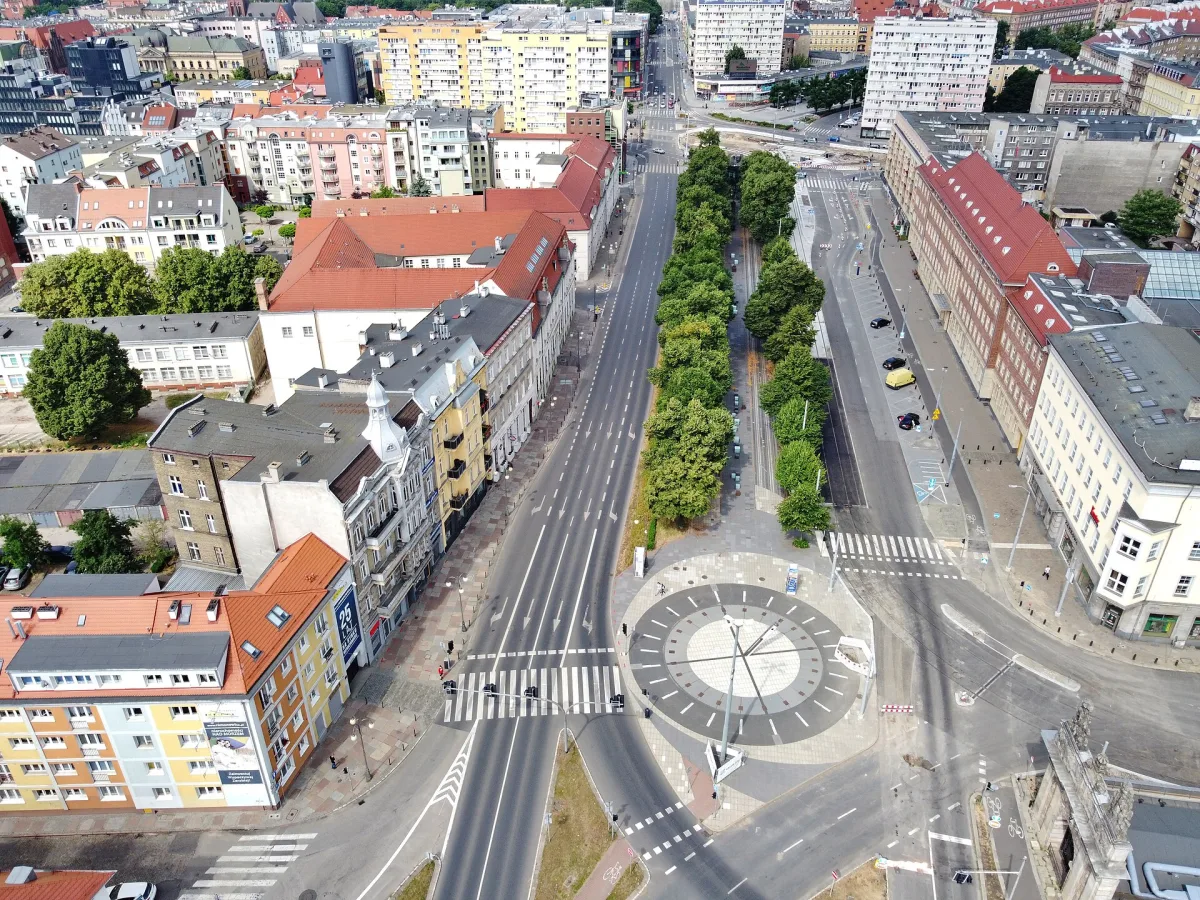
The Szczecin pasztecik (fried filled pastry) is fried yeast dough with a filling, most often meat, usually served with red borscht. Wikipedia regards it as one of the symbols of the city. Its beginnings are linked to a Soviet-made machine, but the sources describe differently how and through whom it reached Szczecin.
A machine built for the army
The Encyclopedia of West Pomerania writes of a Soviet machine “for preparing pirozhki”, weighing about a tonne and devised for the army: it was meant to feed soldiers in a flash even in difficult field conditions. According to the instructions it could make more than 600 pirozhki an hour. Wikipedia gives the type of the device: the AŻZP-M automatic machine for producing dumplings, originally intended for mass catering for soldiers at training grounds.
Two versions of how the machine came to Szczecin
The Encyclopedia of West Pomerania states that three such machines stood with Soviet military units in Szczecin and that from there they passed to the Społem cooperative. The year 1969 is given there as the date when the idea of using the machine in catering arose.
Wikipedia describes it differently. According to it, the machine was bought in 1966 at the International Catering Equipment Exhibition in Warsaw by Władysław Ostrowski, then deputy director for catering at the Provincial Association of Commercial Enterprises in Szczecin. In 1967-1969 a team of technologists and bakers of that association was to develop its own recipe for the dough and filling, because the recipes attached to the military instructions were based on offal. Wikipedia adds that in October 2019, after a discussion begun by Ostrowski's daughter and after journalistic inquiries by local radio stations, the history of the dish's origin was officially corrected and the memory of his role was restored. The entry of the Encyclopedia of West Pomerania does not mention this role.
Where the name pasztecik comes from
According to the Encyclopedia of West Pomerania the name was devised in 1969 at Społem. The Russian “pirozhki”, once Polonised, would become pierożki, and what the military machine fried did not resemble them at all. The filling, however, was minced finely, as in a pâté (pasztet), so the word “pasztecik” fitted. The author of the name is said to be the then catering technologist of Społem, together with the management of the cooperative. Wikipedia records only that the name “pasztecik” was born in the same period, in the team of the commercial association, and does not name an author.
The bar on Aleja Wojska Polskiego
Both encyclopedias agree that the first bar was opened in 1969 on Aleja Wojska Polskiego, opposite the Kosmos cinema. Wikipedia specifies that this was October. Wikipedia says that it was run by the commercial association and that in 1970 Społem took it over. The Encyclopedia of West Pomerania writes of Społem from the start.
The discrepancy also concerns the address. According to Wikipedia the first premises were at number 11, and in 1975 another bar was opened at number 46, opposite the Gryf hotel. The first premises were demolished at the end of the 1980s in connection with the planned demolition of the pavilions, after which the oldest bar was to have moved to number 46. The Encyclopedia of West Pomerania describes this somewhat differently: the premises by the Gryf hotel were at first a branch of the first bar, and after the demolition of the pavilions by the cinema it became an independent bar and its continuation. In both versions the bar operates at number 46, and according to Wikipedia it has kept its décor from the People's Republic of Poland era. The Encyclopedia of West Pomerania adds that pasztecik are fried there on the same machine since 1969.
The second bar, according to both sources, was opened at the turn of 1973 and 1974 on Wielka Street, today Wyszyńskiego. Wikipedia records that in 1990 it was privatised, and that the bar on Aleja Wojska Polskiego was bought out in 1993 by its manager at the time. The Encyclopedia of West Pomerania likewise writes of the buyout of the bar on Aleja Wojska Polskiego in 1993 by its manager at the time.
The list of traditional products and Pasztecik Day
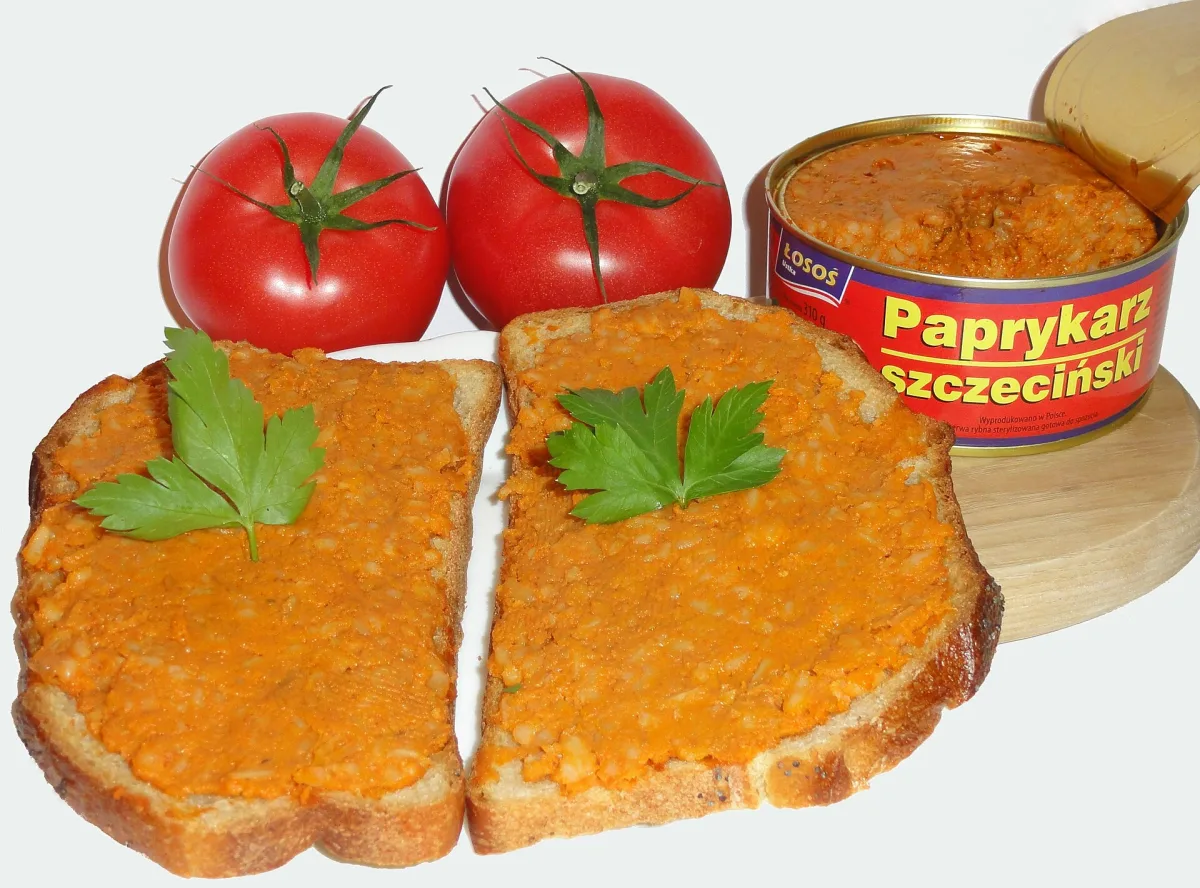
According to Wikipedia, in 2008 the Marshal's Office of the West Pomeranian Voivodeship proposed entering the pasztecik on the list of traditional products. The list file published by the Ministry of Agriculture and Rural Development on the gov.pl website shows an entry dated 13 December 2010: West Pomeranian Voivodeship, category “Ready meals and dishes”. On the same day Szczecin paprykarz (spicy fish-and-rice spread) was added to the list.
In October 2015, as Wikipedia writes, the voivodeship authorities announced that 20 October would be observed as Szczecin Pasztecik Day. Wikipedia links this date to the anniversary of the opening of the first bar.

Be the first! Add a comment.
You need to log in to add a comment.
Log in