
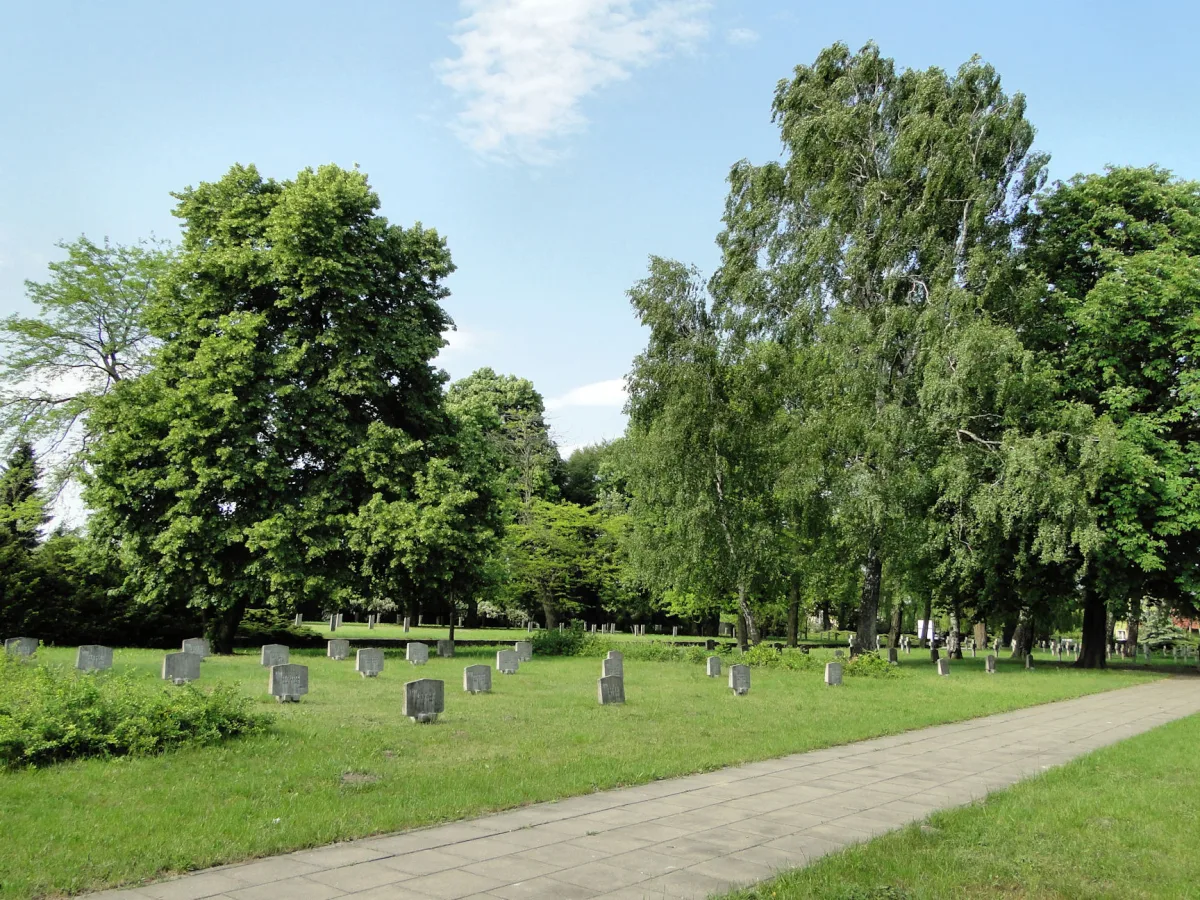
A cemetery established in 1914
The war cemetery on Reymonta Street in Stargard was established in 1914 as a burial place for Russian prisoners of war taken captive in the first months of the First World War. According to Wikipedia, 95 prisoners were buried here in 1914-1918: Russians, Serbs, Romanians and Portuguese. As the dzieje.pl website (a PAP material) reports, the cemetery was then called the Russian cemetery, and after the outbreak of the Second World War it was first used for the burial of prisoners of war who died in Stalag II-D.
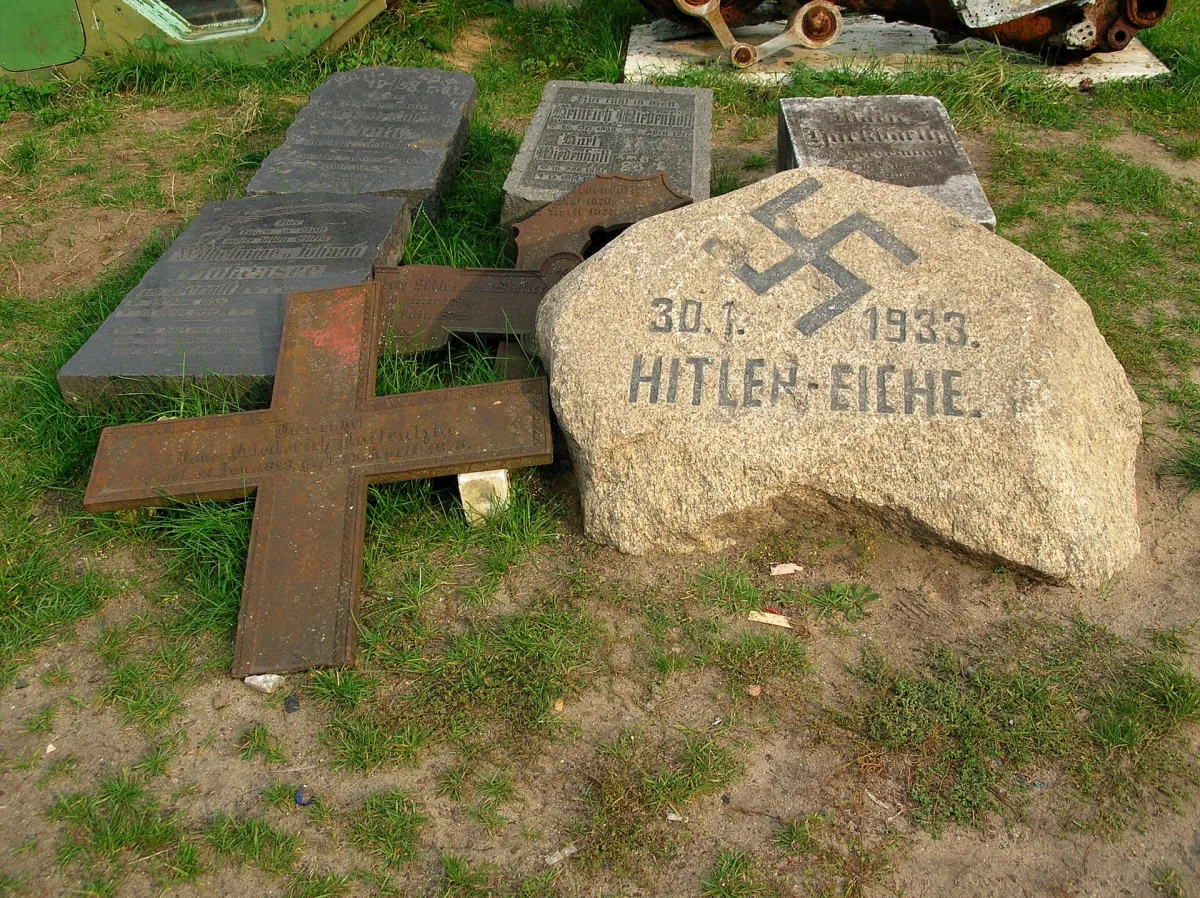
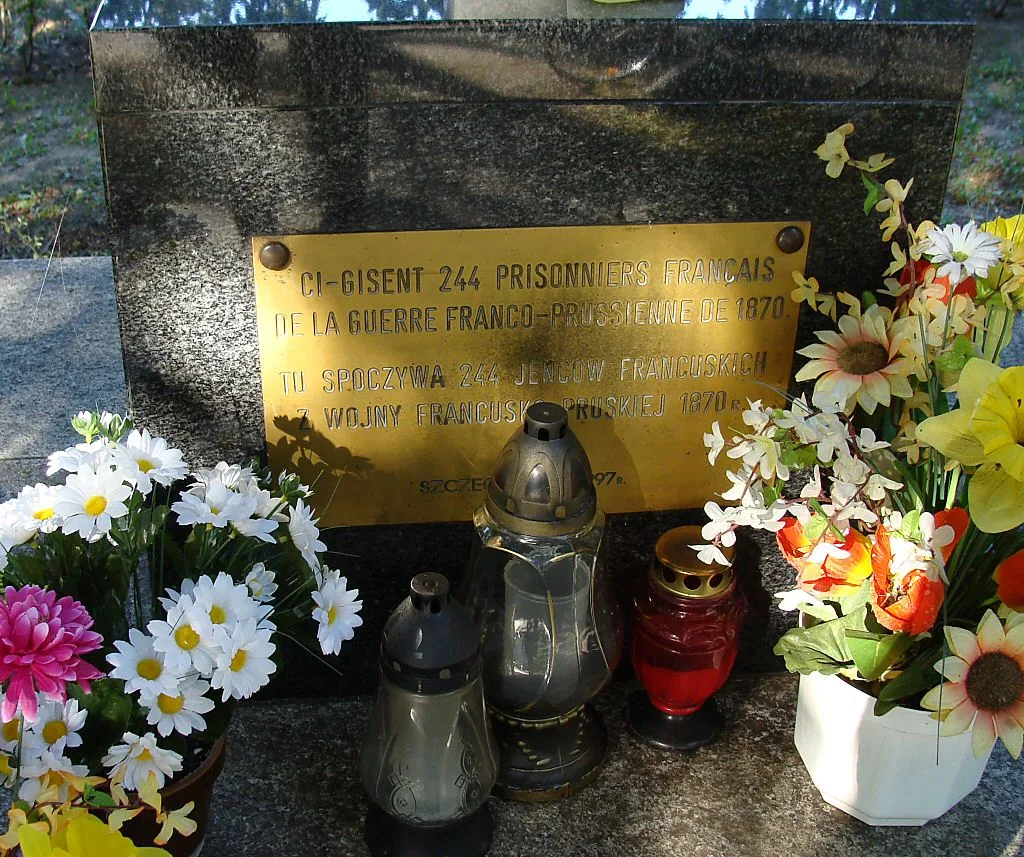
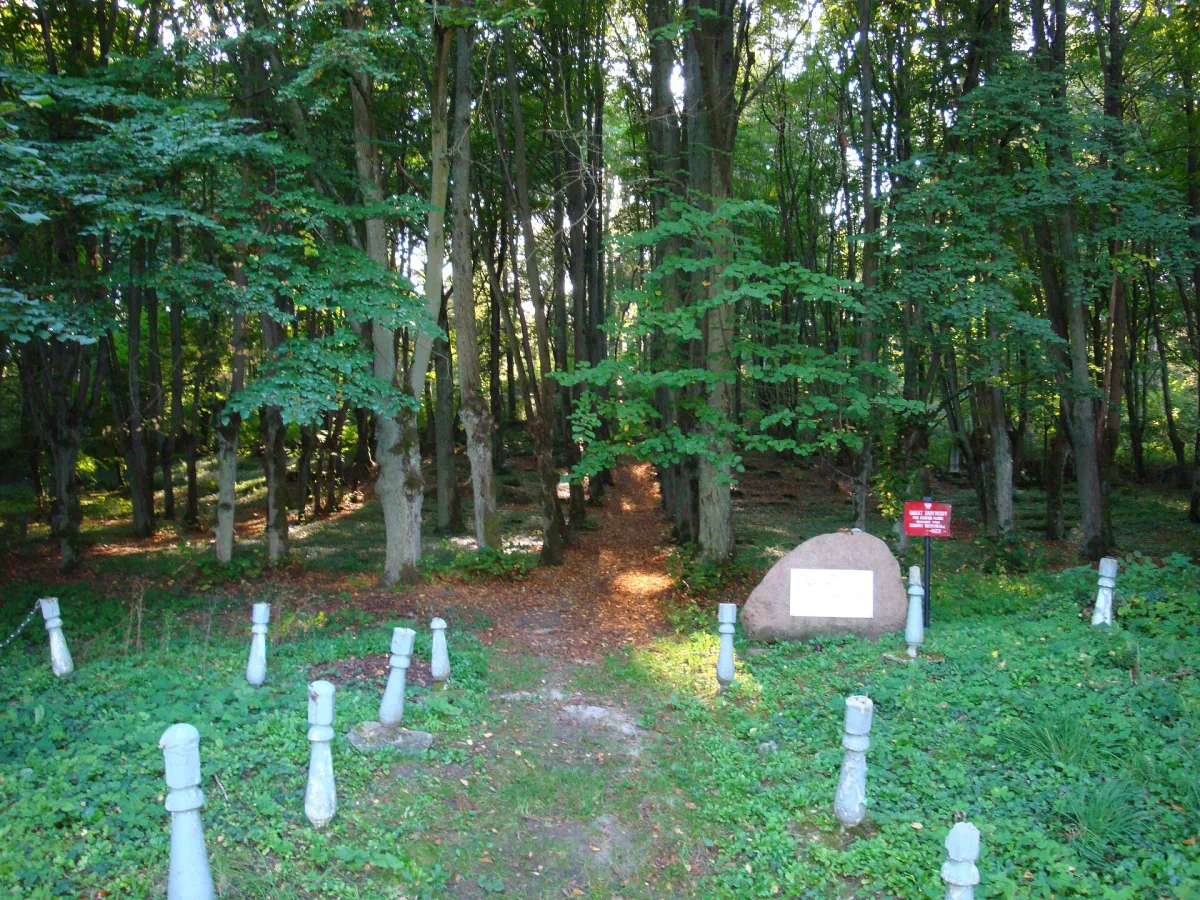
Three monuments to Russian prisoners of war date from the First World War, each for a different faith: Orthodox, Muslim and Jewish. In the cemetery's gallery Wikipedia also lists a monument to French prisoners of war, a monument to Italian prisoners of war and a monument to Russian soldiers.
Prisoners of Stalag II-D
Stalag II-D, a German prisoner-of-war camp for other ranks and non-commissioned officers, operated in Stargard from September 1939 to the beginning of 1945. According to Wikipedia it held in turn Poles, French and Belgians (from spring 1940), Soviet prisoners (from summer 1941) and Italians (from autumn 1943). Dzieje.pl adds that one of the largest hospitals for prisoners of war in Military District II operated in Stargard, in buildings on today's Limanowskiego Street. Prisoners who died were taken to the cemetery on Reymonta Street.
According to Wikipedia, which relies on incomplete data, the bodies of 369 prisoners were laid to rest in the cemetery during the Second World War. Among them were 132 Soviet, 68 French, 56 Polish and 55 Yugoslav prisoners; Wikipedia also lists smaller groups: Romanian, Italian, Belgian, Moroccan, English and Dutch. Wikipedia writes that prisoners from the officers' camp in Dobiegniew (Oflag II-C Woldenberg) were also buried in the cemetery. The sum of the individual numbers on this list exceeds 369, which shows that the data are incomplete and approximate.
Numbers and nationalities
Wikipedia states that 5004 prisoners of war now lie in the cemetery: Polish, Russian, Soviet, French, Yugoslav, Italian, Moroccan, English, Belgian, Serbian, Romanian and Portuguese. In the infobox of the article the cemetery is described as having more than 5000 burials. Wikipedia does not break down which periods and groups account for the rest of this number, apart from 95 prisoners from the First World War and 369 from the Second, so the figure of 5004 should be treated as the data of a single source.
In 1950, according to Wikipedia, some of the bodies of English, French and Italian prisoners were exhumed by their families. In 1952 the cemetery was enlarged to its present area of 1.27 ha. In the 1950s the bodies of 70 people from individual graves around Stargard, Pyrzyce and Choszczno were moved here. In 1996, when the mausoleum of Soviet soldiers was being moved from Wolności Square, the body of the only soldier buried there was exhumed, although there had been 36 graves by the mausoleum. A fragment of the mausoleum stands today in the cemetery on Reymonta Street.
Plaques, monuments and care
On the fence of the cemetery 30 metal plaques have been mounted with the names of the buried soldiers. A monument dedicated to Polish and Soviet soldiers also stands on the site. According to Wikipedia the cemetery is closed to new burials and is managed by the Municipal Services Authority in Stargard. The rules of access and care for the cemetery are provided by the managing institution.
In Stargard the graves of Polish soldiers are also in the sappers' section of the Old Municipal Cemetery on Kościuszki Street, and the mausoleum of Soviet soldiers is in Kluczewo. The war cemetery on Reymonta Street is one of several soldiers' burial places in the town; its location is described by the war cemetery in Stargard Szczeciński.
Be the first! Add a comment.
You need to log in to add a comment.
Log in