
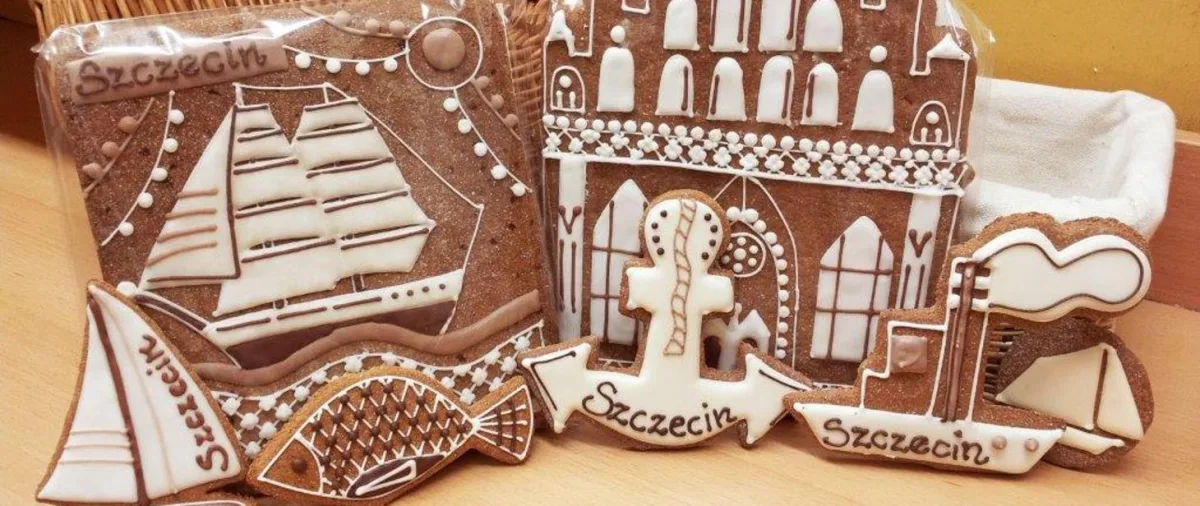
Gingerbread is associated with Toruń, but Szczecin has its own variety, entered on the ministerial list of traditional products. Its description goes back to a German cookbook from the mid-19th century, and its characteristic shapes are tied to the sea: anchors, ships, gulls and sailors.
The recipe from Marie Rosnack's book
According to the Ministry of Agriculture and Rural Development, the tradition of baking gingerbread in the West Pomeranian Voivodeship dates from 1845. That year comes from the edition of the book “Stettiner Kochbuch”, that is, the “Szczecin Cookbook”, by Marie Rosnack. The Ministry and the Encyclopedia of West Pomerania quote the original recipe from it. This is a recipe for the dough, not proof that gingerbread was baked in Szczecin only from that year: 1845 is the oldest date given by these sources.
The recipe is surprisingly short. It consists of a pound of good sugar syrup, a pound of fine flour, half a lot of purified potash and half a lot of pork lard. To this are added spices: cinnamon, lemon zest, cloves, mace and a little pepper. The book warns that there should not be much clove and pepper, because the gingerbread would be too sharp.
Christmas trees with gingerbread decorations in 1938
The second historical thread is the year 1938. In archive issues of the weekly “Stettin. Nachrichtenblatt des Stettiner Verkehrsvereins” there is information about a new tradition, begun by the city authorities of the time: decorating Christmas trees with colourful gingerbread ornaments in various shapes. According to the description from the list of traditional products, the decorated trees were afterwards the main Christmas element in Pomerania, and gingerbread could be bought in all the bakeries and confectioners of Szczecin.
Maritime shapes and today's ingredients
The product description from the ministerial list says that Szczecin gingerbread is baked in shapes most often related to maritime themes: ships, sailors, gulls, fish, anchors, sailing boats and lighthouses. The shape depends on the mould used, as does the size. Photographs in the Encyclopedia of West Pomerania show, among others, a gingerbread in the shape of the Szczecin coat of arms, a sailor and an anchor.
According to the same description, the dough today uses wheat or rye flour, almonds, honey, brown sugar and spices: cinnamon, cloves, cardamom, ginger, nutmeg and lemon zest. The gingerbread has a porous consistency, is dark brown on the outside and light brown inside, and the top is covered with a sugar or chocolate glaze. The taste is described as sweet and spicy, the smell as intense and spicy.
The list of traditional products and wooden moulds
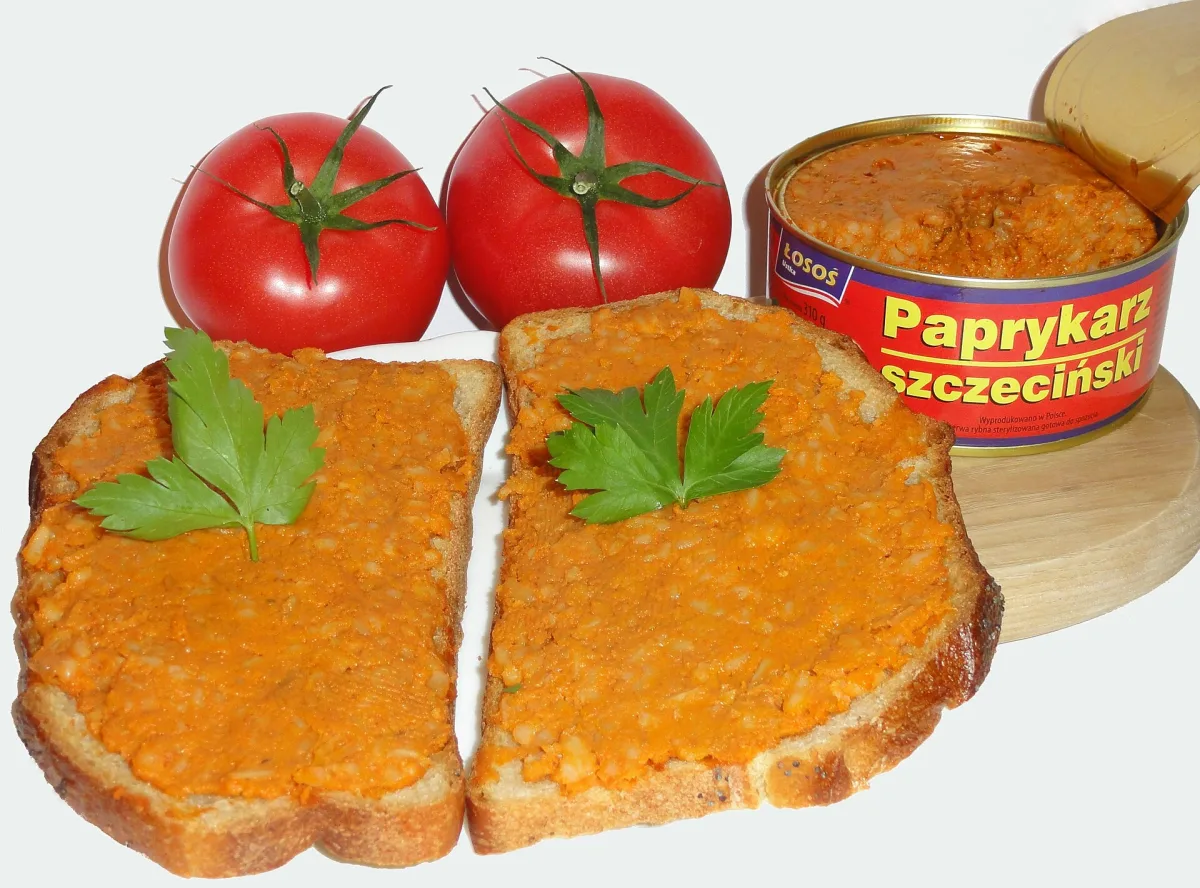
Szczecin gingerbread was entered on the list of traditional products on 28 July 2011, in the category “Bakery and confectionery products”, in the West Pomeranian Voivodeship. It joined the Szczecin pasztecik and paprykarz, which had been added to the list earlier. Earlier still, in 2007, the product took first place in the “Our Culinary Heritage” competition in the category “Products and preserves of plant origin”.
The Encyclopedia of West Pomerania mentions gingerbread baked according to the original recipe and method, in carved wooden moulds, at a farm in Bełczna near Łobez. This is the only example of such a method given there. The mould determines the shape of the finished gingerbread, so the set of patterns depends on the surviving moulds.

Be the first! Add a comment.
You need to log in to add a comment.
Log in