
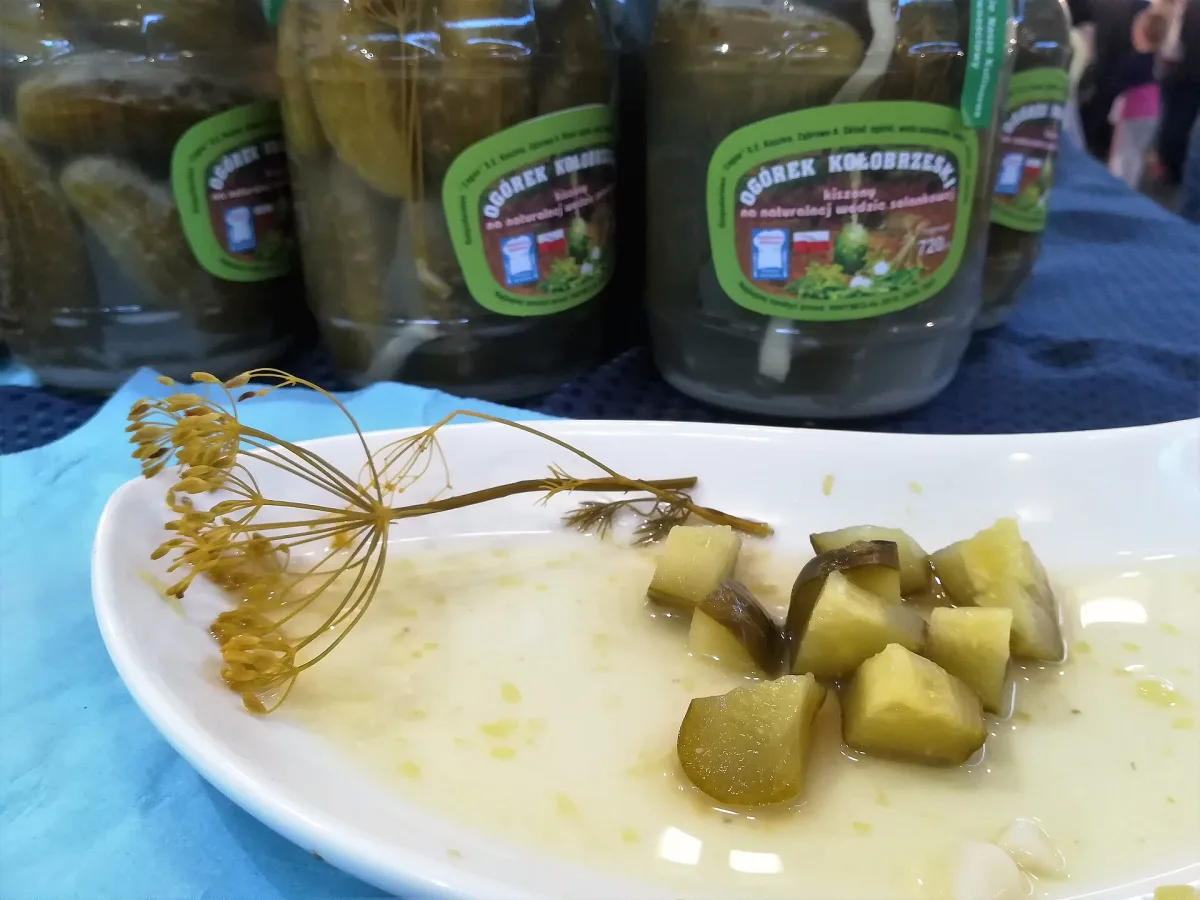
The list of traditional products is a register kept by the Ministry of Agriculture and Rural Development. Applications for entry are submitted to the voivodeship marshal, and the ministry's pages show the entries separately for each region. For the West Pomeranian Voivodeship there are about sixty items in ten categories, from Bielkowo holubtsi to the Kołobrzeg cucumber. Below is an overview by the ministry's categories, with the year of entry where the ministry's page gives it.
From the Kołobrzeg cucumber to new entries
The oldest entries in this region date from 2006: the Kołobrzeg cucumber was entered on 24 May, Drahim honey on 1 June, and the plum liqueur from Dębina and plum wine on 31 October. The list then grew gradually. According to the portal dzieje.pl, in March 2012, when Przelewice honeys and Swedish kishka were added, there were 15 products from West Pomerania, and in July 2015 Bielkowo holubtsi became, as stated, the 33rd item. Entries appeared later too: the ministry has noted, among others, Dębno bread from 2024 and kresowianka soup from December 2024.
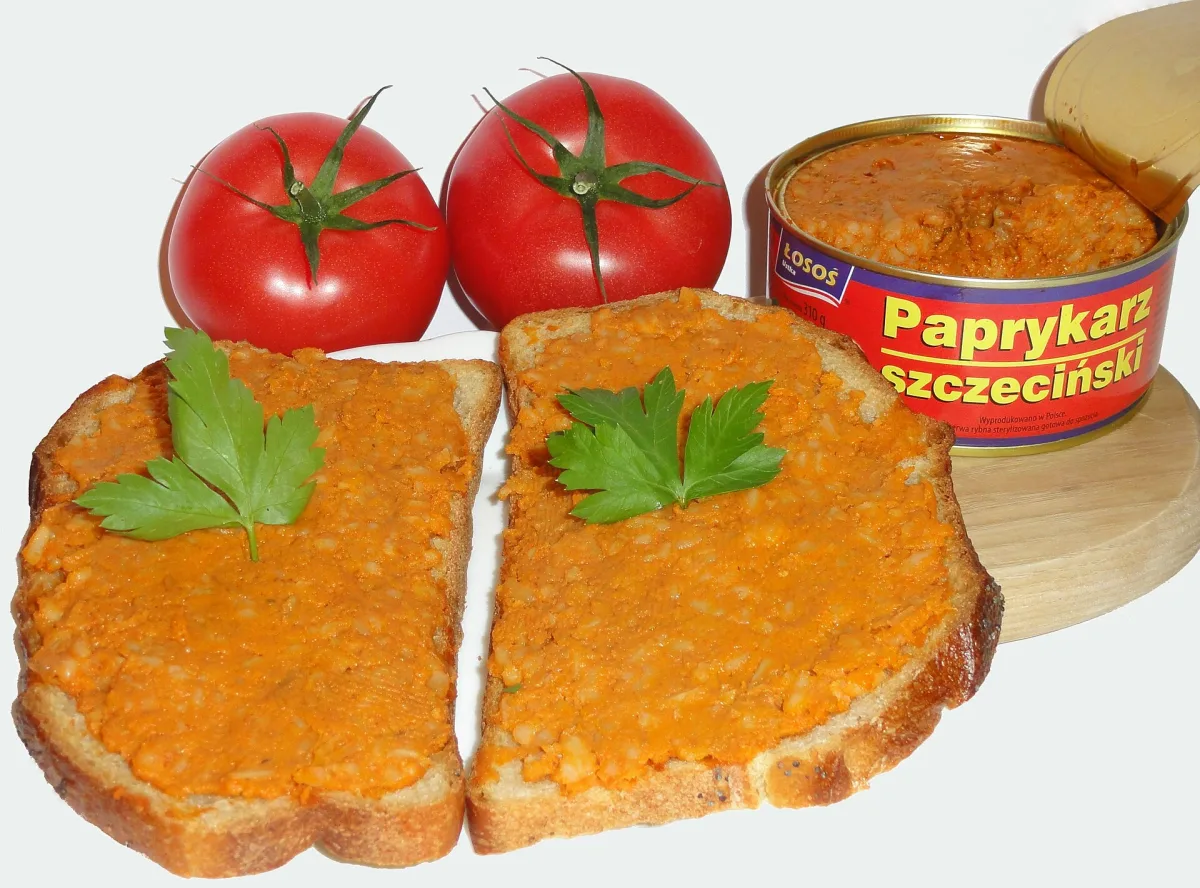
Most products are linked to a particular locality or region, as the names show: Radziszewo plum jam, Wyszobór potato, Ostrowiec butter, Świdwin ham, Szczecinek fudge. A few names refer to a whole city, such as Szczecin paprykarz (spicy fish-and-rice spread) and Szczecin pasztecik (fried filled pastry).
Dishes, meat and dairy
The category of ready meals and dishes has seven items. Szczecin pasztecik was entered on 13 December 2010, Swedish kishka on 6 March 2012, and Bielkowo holubtsi on 8 July 2015. According to dzieje.pl this is a dish similar to stuffed cabbage rolls, but made with grated potatoes and barley groats instead of meat and rice, known for about 70 years, which has even reached Christmas Eve tables. Next come the Bełczna beer soups (2017), zalewajka from Rogowo, “nic” soup and kresowianka soup.
There are four meat products: home-made crumbly sausage and Świdwin ham (both entered on 2 February 2015), goose pâté (2014) and smoked pork leg from Przelewice (2018). Dairy is represented by Baltic cheese from 2017, and fats by Ostrowiec butter, entered the same year. According to National Geographic Traveler, goose pâté is associated with Nieborowo and Baltic cheese with Bobolice; this is information from a single source.
Fish, vegetables and preserves
The fishery products category has six entries. Besides Szczecin paprykarz (13 December 2010) there are smoked fish from Lake Miedwie (2014), Miedwie vendace (2013), smoked vendace from the Drawsko Lakeland (2013), Szczecin-style herring (2015) and Kołobrzeg herring (2015).
In vegetables and fruit there are seven items. Lake-brined pickled cucumber and barrel sauerkraut were entered in 2008, Szczecin rosehip preserve in 2011, green tomato preserve in 2013, the Wyszobór potato in 2014, and Radziszewo plum jam in 2018. According to National Geographic Traveler, barrel sauerkraut is associated with Kinowo and pickled Kołobrzeg cucumber with Ząbrowo. In the “Other” category the ministry records one item: pickled mushrooms with pine cones, entered on 8 June 2011.
Honeys and drinks
Honeys are one of the larger groups, with twelve entries. Among them are Przelewice honeys (2012), acacia honey from Cedynia, honeys of the Choszczno Lakeland, the Barlinek Forest, Wałcz and the Holy Mary Forest (all 2013), Dębice honeys (2016), Rusinowo honeys (2017), honeys from the Świeszewo Hills and the Drawsko Lakeland (2018), forest honeys from Tuczno Drugie (2020) and Drahim honey from 2006. The last of these also has an EU geographical designation: according to Wikipedia the European Commission registered it on 14 June 2011 as a Protected Geographical Indication.
Honey is also used to make trójniak, or mead, and it is this that distinguishes the drinks category. Plain trójniak was entered in 2008, followed by Wolin forest trójniak (2016), Cedynia trójniak and Czcibor trójniak (both entries from 2018). Besides these, the drinks list includes Szczecin beer (2018), Lipiany beer Zaczynaj (2017), beetroot sourdough drink from Dębno (2019) and the plum liqueur and wine mentioned above.
Breads, gingerbreads and sweets
Bakery and confectionery products are the largest group: more than ten items. Breads bear the names of localities: Szczecin bread (2015), Gwda (2013), Dębno (2024), and alongside them Koprzywno wholemeal bread and wartime village bread, both from 2008. Among the sweet baked goods are Szczecin gingerbreads (28 July 2011), Choszczno strudel with poppy seed (2014), Szczecinek fudge (2016), Gwda small pasties (2016), apples in jackets (2017), Kaziuki hearts (2018) and croissants from Gwda.
How to read this list when shopping
An entry on the list of traditional products is not the same as a protected name. This can be seen in the example of paprykarz: according to Wikipedia and the Encyclopedia of West Pomerania, the name was not protected, so products under it are made by many companies throughout the country. It is different with Drahim honey, which received protection at EU level.
Many of these products can be found at fairs and in regional food shops. Dzieje.pl reported in 2015 that the foundation organising the St James' Fair runs a year-round shop of regional products by the cathedral in Szczecin. The full list with current entries is on the ministry's website, in the section devoted to the West Pomeranian Voivodeship, and the register itself is supplemented with new items.


Be the first! Add a comment.
You need to log in to add a comment.
Log in