Szczecin, West Pomerania
Wednesday, 04 November 2026 PL / EN

History of Szczecin

18 articles
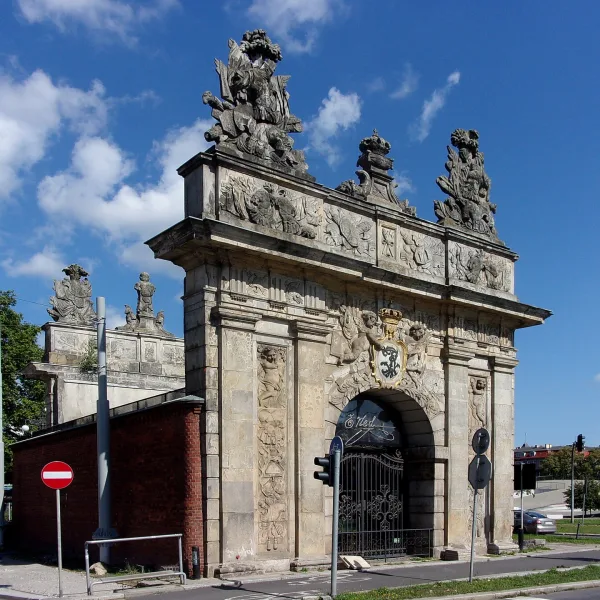
Port Gate and Royal Gate: the Baroque gates of the fortress built by Prussia Historia Szczecina
Port Gate and Royal Gate: the Baroque gates of the fortress built by Prussia
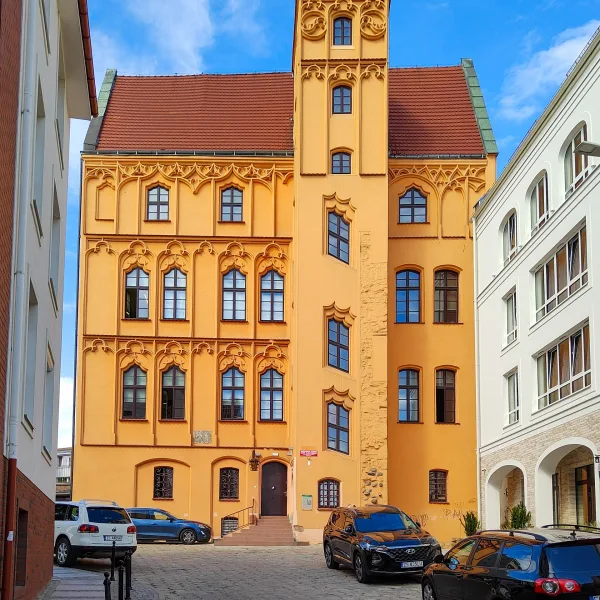
The two surviving gates of the Prussian fortress of Szczecin: the Port Gate, formerly the Berlin and Brandenburg Gate, and the Royal Gate, formerly the Anklam Gate. Construction dates, names and the Latin inscription according to Wikipedia and the Encyclopedia of West Pomerania.
Read more →
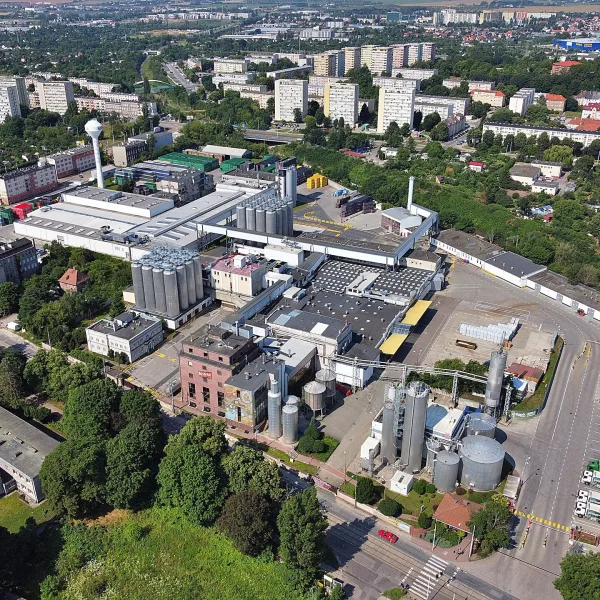
Szczecin beer over two centuries: from Weidmann's brewery of 1848 to the post-war brew of 1946 Historia Szczecina
Szczecin beer over two centuries: from Weidmann's brewery of 1848 to the post-war brew of 1946
The brewery in Pomorzany began brewing beer in 1848, from 1861 belonged to the Bohrisch family, and after the war the first brew was made there on 12 January 1946. The sources differ on several dates, for example the year the name changed to Bosman.
Read more →
Szczecin's guilds and the Sailors' House: merchants in the Hanseatic network Historia Szczecina
Szczecin's guilds and the Sailors' House: merchants in the Hanseatic network
Szczecin belonged to the Hanseatic League, and the city's merchants and sailors organised themselves in guilds with their own seat, the Sailors' House. The building did not survive, but records remain of how the corporation worked, who led it and what became of it.
Read more →
Two empresses born in Szczecin: Catherine II and Maria Feodorovna Historia Szczecina
Two empresses born in Szczecin: Catherine II and Maria Feodorovna
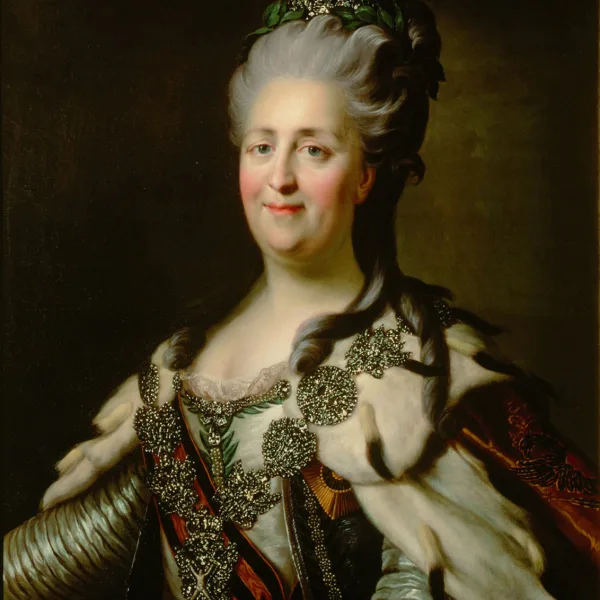
Catherine II was born in 1729 in a house on Farna Street, and Maria Feodorovna in 1759 in the Grumbkow Palace, today's Palace Under the Globe. Both reached the imperial court and were related to each other through marriage.
Read more →
The ducal crypt of the Castle in Szczecin: the fate of the Griffin sarcophagi from 1731 to the funeral in 1995 Historia Szczecina
The ducal crypt of the Castle in Szczecin: the fate of the Griffin sarcophagi from 1731 to the funeral in 1995
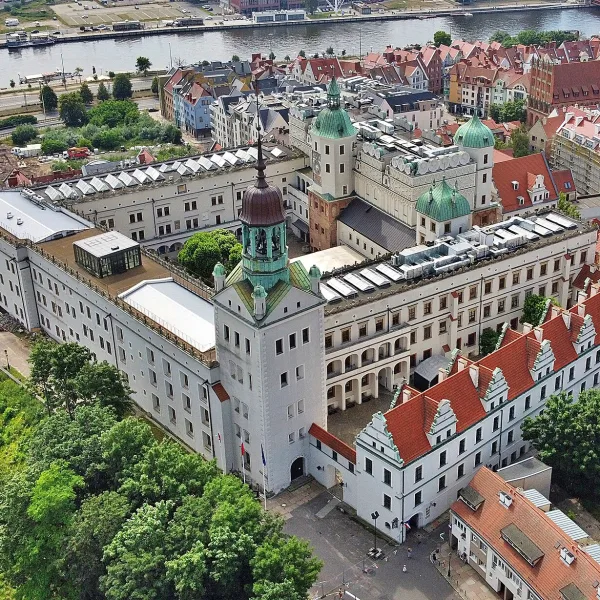
For centuries the Griffins rested in the crypt under the north wing of Szczecin castle. The article follows the opening of the crypt in 1731, the smashing of the sarcophagi in the early 19th century, wartime and post-war losses, and the ecumenical funeral of the dukes in 1995.
Read more →
Łasztownia: from the Latin lastadium to a port island Historia Szczecina
Łasztownia: from the Latin lastadium to a port island
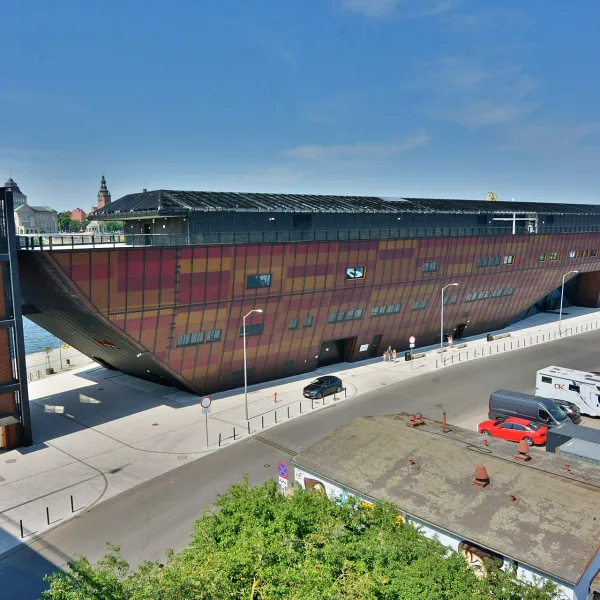
Łasztownia is an island and part of Szczecin whose name derives from the Latin lastadium, a place for transhipping goods. From the 13th century it served as the back-up of the port, shipyards and warehouses, and today the Dźwigozaury cranes and the Maritime Science Centre stand here.
Read more →
Podjuchy: an independent town in 1945-1948 and its incorporation into Szczecin Historia Szczecina
Podjuchy: an independent town in 1945-1948 and its incorporation into Szczecin
After the bridges were destroyed in 1945, right-bank Podjuchy was cut off from the rest of Szczecin and for three years became a separate town in Gryfino County. It returned to Szczecin on 1 May 1948.
Read more →
Pogodno: a villa district and the work of Quistorp on the hills of Szczecin Historia Szczecina
Pogodno: a villa district and the work of Quistorp on the hills of Szczecin
Pogodno grew out of the districts Westend, Neu Westend and Braunsfelde, which were founded by the Szczecin manufacturer Johannes Quistorp. What remains of them are villas, a round square, parks and a ruined tower.
Read more →
The Free Port in Szczecin: the East Basin, Sedina and the 1898 Opening Historia Szczecina
The Free Port in Szczecin: the East Basin, Sedina and the 1898 Opening
The free port on Łasztownia was opened in 1898, and according to the entry on the Manzel Fountain the ceremony attended by Wilhelm II took place on 23 September. The article collects dates and figures from Wikipedia, the differences between its entries, and what remains of the former port.
Read more →
Szczecin's Two Town Halls: the 15th-Century Old Town Hall and the Red Town Hall on Batory Square Historia Szczecina
Szczecin's Two Town Halls: the 15th-Century Old Town Hall and the Red Town Hall on Batory Square
The Old Town Hall on Hay Market remembers the peace congress of 1570, and the Red Town Hall of 1875-1879 took over from it as the seat of the city. The Encyclopedia and Wikipedia give different dates and call the war ended in 1570 by different names.
Read more →
Sedina and the Manzel Fountain: a personification of the city of trade and the sea Historia Szczecina
Sedina and the Manzel Fountain: a personification of the city of trade and the sea
Sedina is a figure invented in the late 19th century as the personification of commercial and maritime Szczecin. Her best-known image, Ludwig Manzel's copper fountain, was unveiled in 1898. The sculpture was taken down in 1942, and the dispute over rebuilding it has run since the 1990s.
Read more →
August 1980 in Szczecin: the strike, the thirty-six demands and the agreement of 30 August Historia Szczecina
August 1980 in Szczecin: the strike, the thirty-six demands and the agreement of 30 August
On 18 August 1980 the Adolf Warski Szczecin Shipyard went on strike, and on 19 August the Inter-Enterprise Strike Committee was formed. The text describes the thirty-six demands, the course of the talks with the government commission and the agreement signed on 30 August.
Read more →

What's on in Szczecin in the coming days

See the event calendar →
Supermocni
Today 15:00
Kino
Supermocni
Mistyczka
Today 16:15
Kino
Mistyczka
Jak żyć, żeby nie zwariować
Today 17:00
Kino
Jak żyć, żeby nie zwariować
Bali Experience Show
Today 18:00
Teatr
Bali Experience Show