Solo in Wolin means a lone walk through the early Middle Ages: a reconstructed settlement, a museum, a collegiate church and a burial-mound hill.
Wolin suits sightseeing alone: the town is small, and the places form a natural route from the market square to the open-air museum on the island. Other addresses in Wolin are gathered under Wolin, and lone trips around the whole voivodeship under solo.
What can you do alone in Wolin if you are interested in the early Middle Ages?
Begin in the museum, move on to the reconstructed settlement and finish at the hill with the burial mounds. That way you see one town from three sides: from an exhibition, from a reconstruction and from a place where traces of old burials survive.
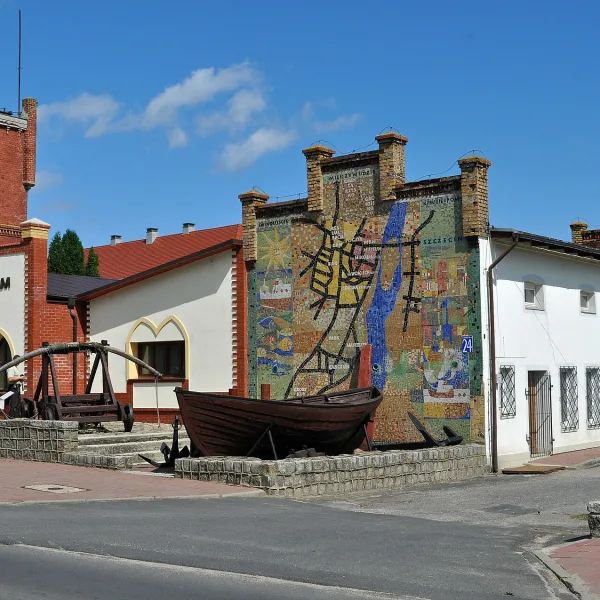
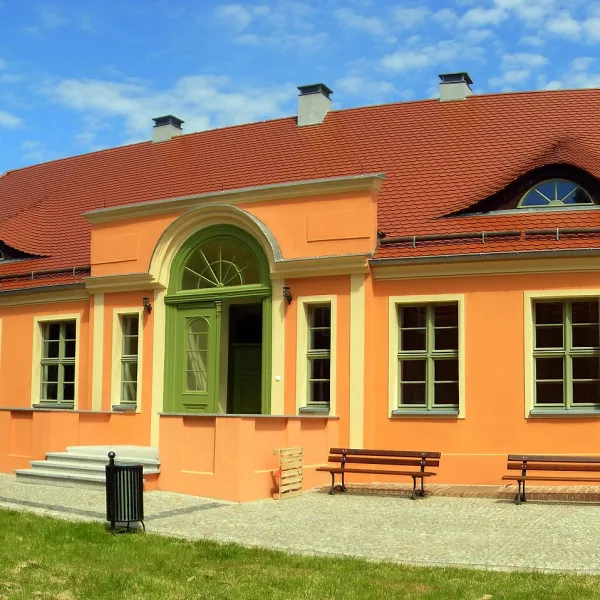
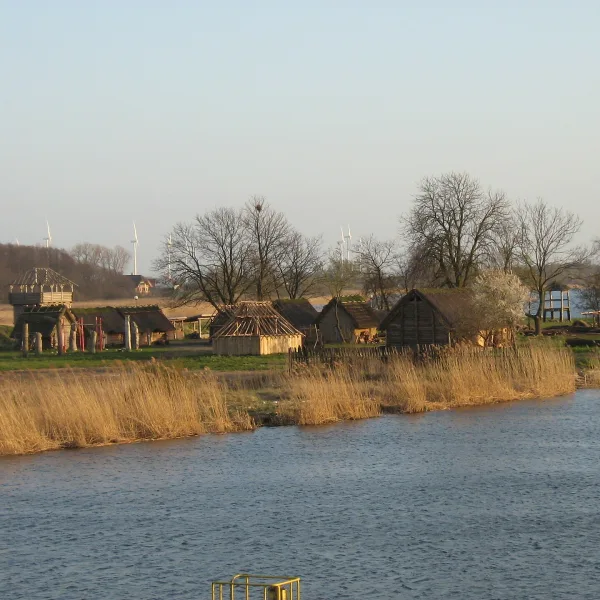
Muzeum Regionalne im. Andrzeja Kaubego w Wolinie (Andrzej Kaube Regional Museum) is on the market square beside the town hall. Its permanent display deals with Wolin, Jomsborg and Slavic beliefs and presents objects dug up in the town itself. Being indoors, it fits a wet day. Skansen w Wolinie (Open-Air Museum) sits on Wolińska Kępa, an island within the town, and has been open since 2008. Ramparts, a palisade and huts recall the early medieval town. It is run by the Centre of Slavs and Vikings association "Wolin-Jomsborg-Wineta", and the reconstruction itself is covered in the article the Slavs and Vikings open-air museum in Wolin.
What is Gallows Hill near Wolin?
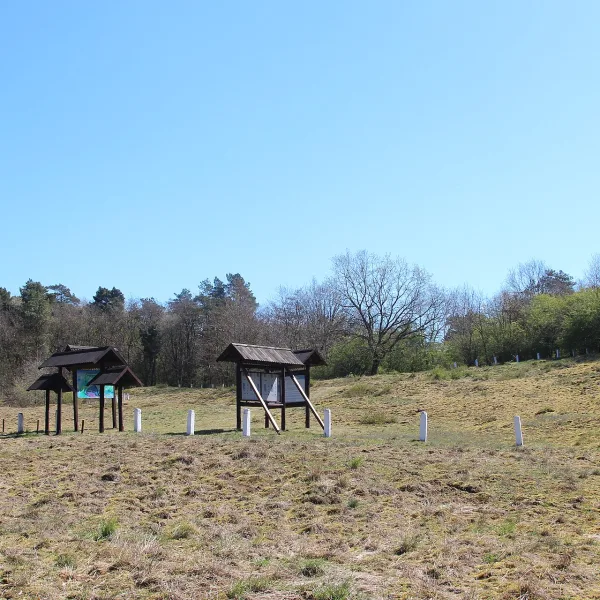
A fenced cemetery of burial mounds, around a thousand years old, is protected here as an archaeological reserve south of the town. It is not an entertainment spot, so keep quiet and view it matter-of-factly, as an archaeological site.
Wzgórze Wisielców (Gallows Hill) rises over the Dziwna on a rise known as Gołogóra (21 m above sea level). The necropolis is counted among the oldest early medieval cemeteries of Pomerania. For views, see also the list of viewpoints in and around Szczecin, and for the town itself read Wolin as a place to visit.
Which churches, manor and windmill should you see in Wolin?
In the centre it is worth seeing two churches, a manor and a windmill. All stand within the town and need no advance planning.
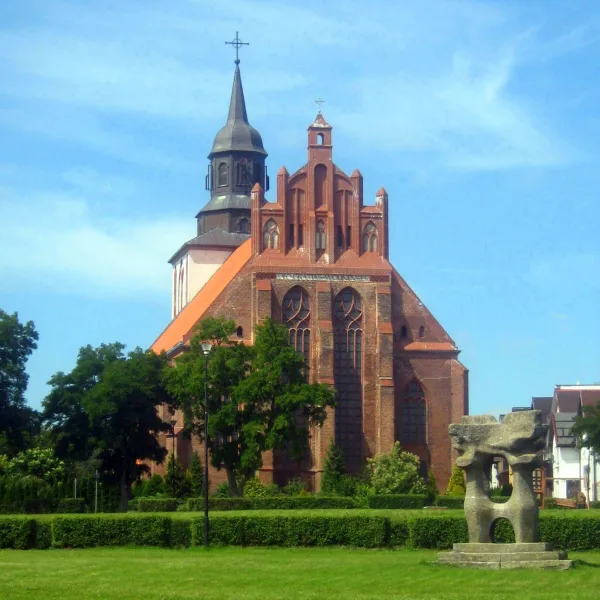
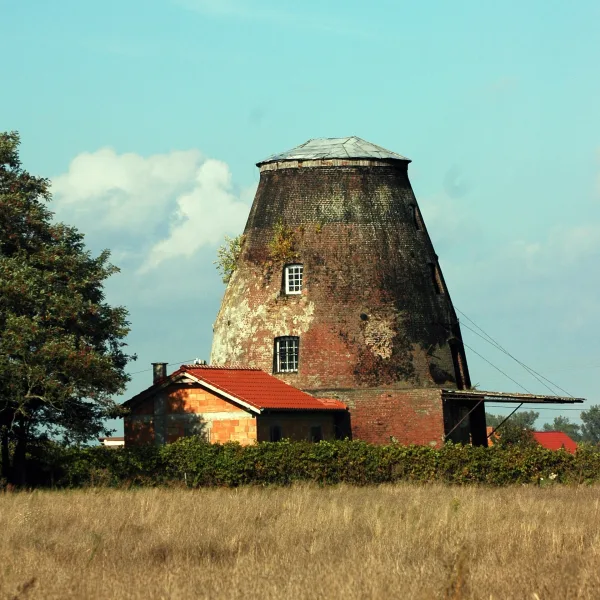
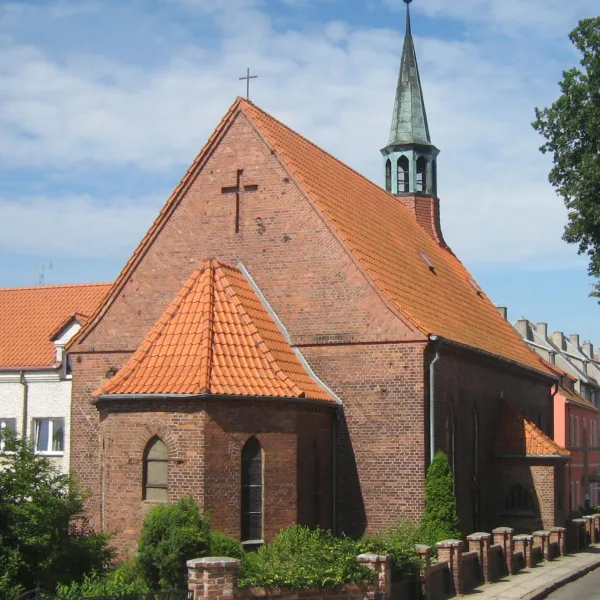
Kolegiata św. Mikołaja w Wolinie (Collegiate Church of St Nicholas) is a brick Gothic church from the late 13th century. War damage in 1945 left walls, pillars and a tower, which were first conserved as a ruin and then restored by the end of the 1990s. Kościół św. Stanisława w Wolinie (Church of St Stanislaus) on Kościelna street is a neo-Gothic brick church of 1848, built as an Old Lutheran one. Dwór w Wolinie (Manor House) occupies the spot where the Pomeranian dukes' castle once rose. After renovation completed in 2012 it hosts the Cultural Centre of International Cooperation. Beyond the cemetery on the western side of town you will find Wiatrak holenderski w Wolinie (Dutch windmill), a round brick structure from 1850. It still operates as a mill, so admire it from outside.
Frequently asked questions
Is there something to do in Wolin on a rainy day?
Yes, the museum by the market square and the open-air museum on Wolińska Kępa both suit poor weather and are marked as such in the list.
Where is the open-air museum in Wolin?
It stands on Wolińska Kępa, an island inside the town. It opened in 2008.
What is Gallows Hill?
A protected archaeological reserve with mounds from the 9th and 10th centuries, over the Dziwna, south of Wolin.
Can you go inside the windmill in Wolin?
It is a sight for viewing from outside: the windmill in the western part of town works today as an industrial mill.

 Museums