Things to do in Kołobrzeg: the pier, the lighthouse, the fortress, the Polish Arms Museum and dozens more places for walks and rainy days.
Kołobrzeg is a Baltic seaside resort and a former fortress town with towers, ramparts and forts. The places covered here stretch from the Spa District through the Old Town to the harbour and Solna Island, enough for a one-hour walk or several days with kids.
What to see in Kołobrzeg first?
Start with four places that show the town from different angles: the pier by the sea, the Gothic basilica, the town hall in the Old Town and the lighthouse by the harbour. Together they take half a day and explain what Kołobrzeg is: a spa resort, a port and a town with a long history.
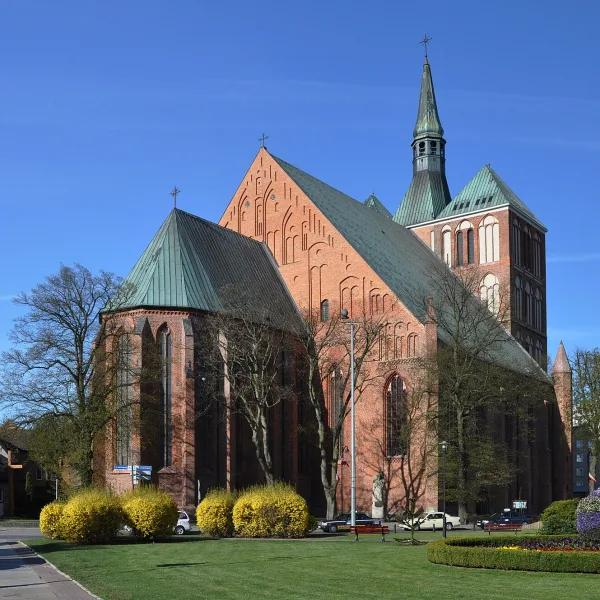
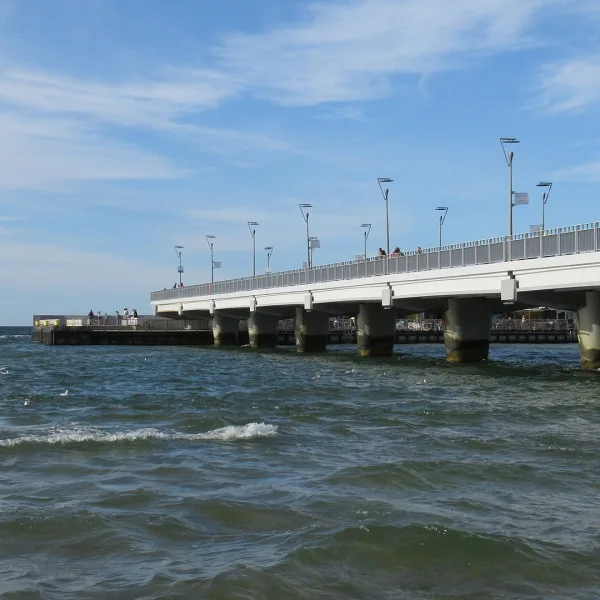
Kołobrzeg Pier is a 220 m reinforced concrete jetty in the Spa District, an extension of Mickiewicza Street next to the Bałtyk sanatorium. It opened in 1971, replacing a wooden pier from 1881. Entry is free, and from the end you see the beach, the promenade and the resort skyline from the sea. The Co-Cathedral Basilica of the Assumption of the Blessed Virgin Mary stands at Mariacka 5. It is a five-aisled brick hall church and one of the main monuments in town, with a seven-branched candelabrum from 1327 and a font from 1355.
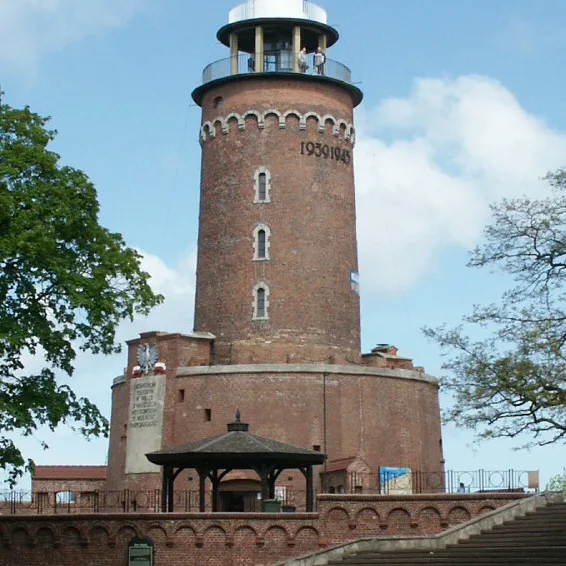
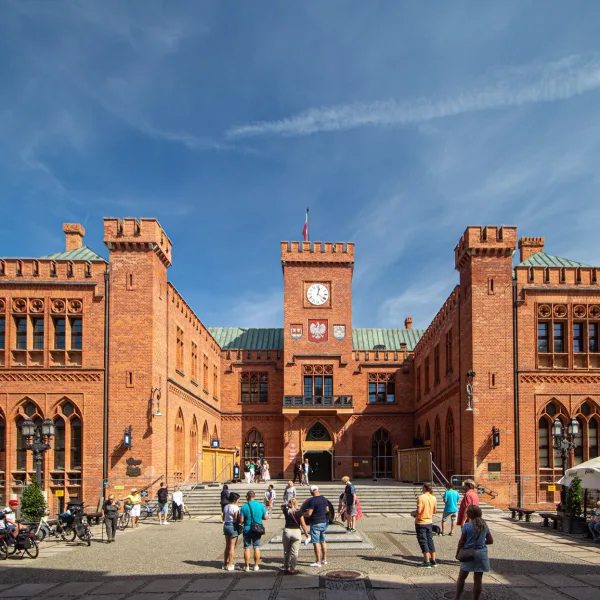
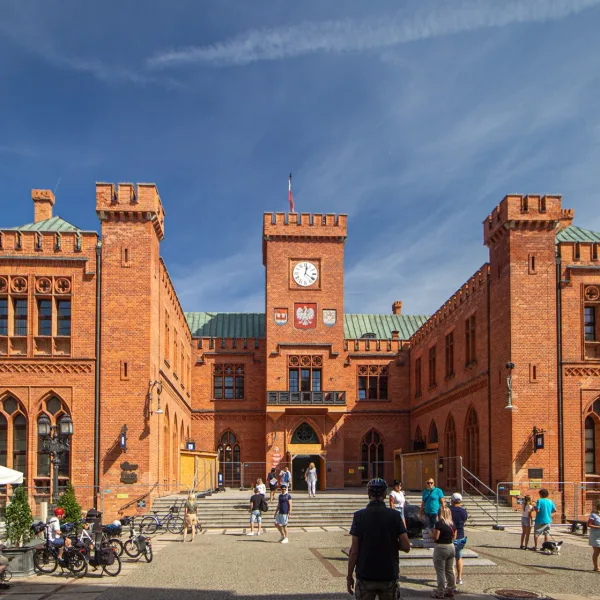
The neo-Gothic town hall of light red brick rises in the middle of the Old Town market square, at Armii Krajowej 12. The architect was Karl Friedrich Schinkel, and building work started in 1829. For more local architecture, see the list of architecture in Kołobrzeg. The fourth stop is Kołobrzeg Lighthouse, dating from 1945, standing above Pomeranian Bay on the platform of an old fort and open to visitors.
What remains of the Kołobrzeg fortress?
Kołobrzeg was a fortress from the mid-17th century, and fragments of the defences survive in several parts of town: medieval towers, 18th-century redoubts and 19th-century ramparts. The easiest way to see them is to walk from the old walls towards the sea and the mouth of the Parsęta.
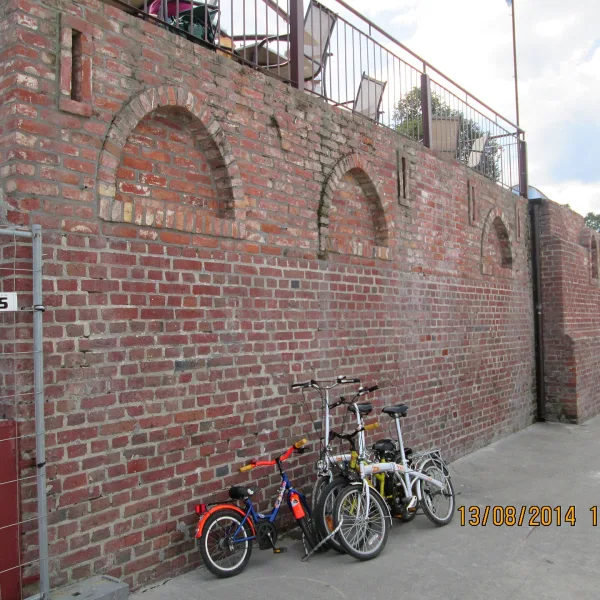
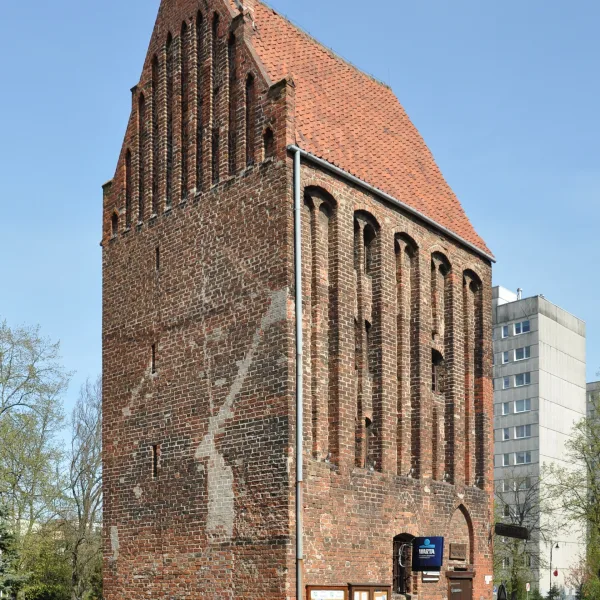
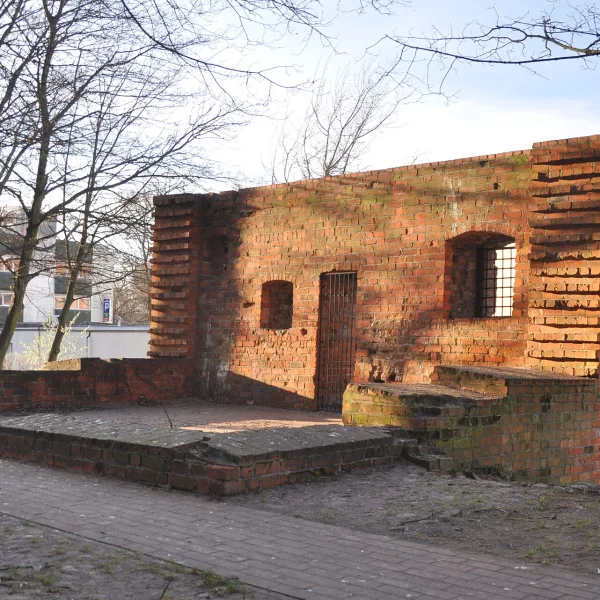
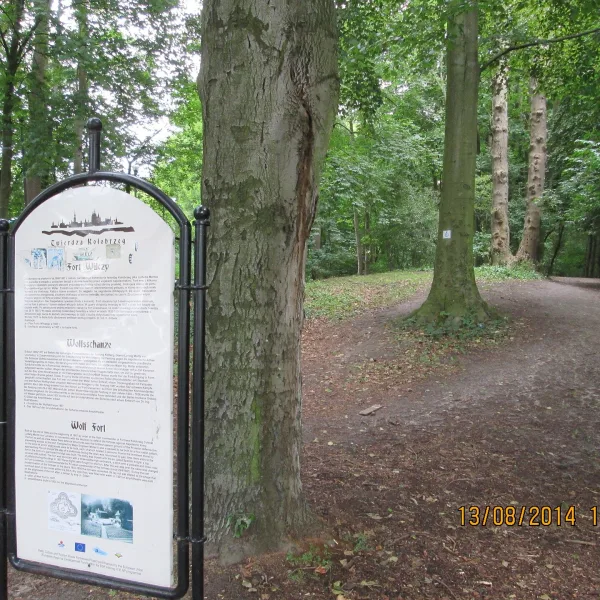
Kołobrzeg Fortress is an early modern system of fortifications from 1653-1887, with surviving Fort Ujście, the Morast and Solna redoubts and the Stone Rampart. A longer account of the remains on the ground is in the article on the ramparts, towers and Wolf Fort. Two towers survive from the medieval walls. Baszta Lontowa (the Fuse Tower) at Stanisława Dubois 20 dates from the 14th century and is the only fully preserved part of the town's medieval defences. Locals often call it the Gunpowder Tower. The other, Baszta Więzienna (the Prison Tower), is a stabilised ruin from the northern stretch of the walls, a former prison.
Closer to the water is Kamienny Szaniec (the Stone Rampart), formerly Waldenfels Rampart, built in 1832-1836. From 1887 it belonged to the spa's recreation grounds, and today it is a ruin right by the sea. At the mouth of the Parsęta, on the northern tip of Solna Island, stands Reduta Bagienna, also called Reduta Morast: a pentagonal structure from 1770-1774, now surrounded by a yacht harbour. Fort Wilczy (Wolf Fort) at Fredry 18 belongs here too. The 1807 fort was rebuilt as an amphitheatre in 1925 and hosts the Interfolk and Gama festivals as well as former soldiers' song festivals. All fortress sites are also listed under castles and fortifications in Kołobrzeg.
Which museums in Kołobrzeg are worth visiting?
The museums in Kołobrzeg form a compact group, as several lie within a few minutes' walk of the market square. They occupy historic townhouses and palaces, and some belong to the Polish Arms Museum. They suit a day when the weather lets you down. All venues are collected under museums in Kołobrzeg.
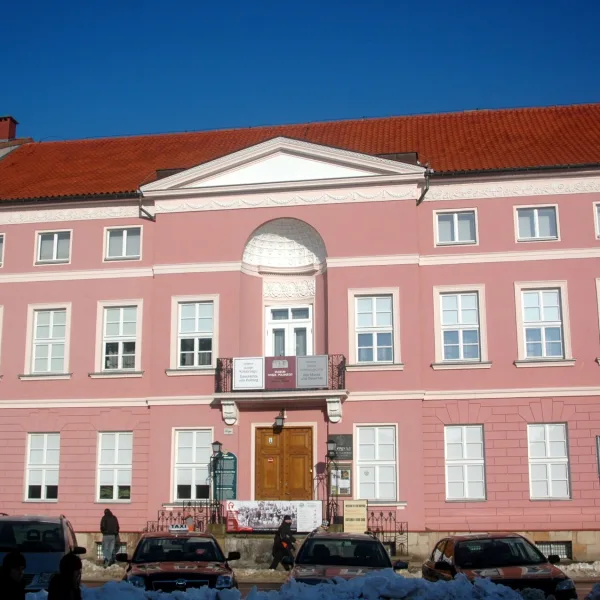
Pałac Brunszwickich (the Brunswick Palace), also called the Braunschweig Palace, is an Empire-style building from the early 19th century at Armii Krajowej 13. As a branch of the military museum, it presents an exhibition on the town's past. On the same street, at number 12, the private Kołobrzeg Museum "Patria Colbergiensis" occupies the town hall cellars, showing finds from the fortress sieges, weapons and guild mementos. A third address nearby is Dom Schliffenów (the Schliffen House) at Emilii Gierczak 28, a 15th-century Gothic building, the oldest surviving in town and also part of the Polish Arms Museum.
Outdoors, Kołobrzeg Maritime Open-Air Museum, a branch of the Polish Arms Museum, displays decommissioned warships. Two smaller private venues are the Amber Museum at Waryńskiego 5, devoted to Baltic amber, and the Glass Museum at Emilii Gierczak 27B, a few hundred metres from the Old Town, with guided visits and glassware from around the world.
What can children do in Kołobrzeg?
Families with children have an unusually large choice of indoor places in Kołobrzeg: several play halls, trampolines, an oceanarium and interactive exhibitions. Some lie around VI Dywizji Piechoty Street and the Milenium hall, so on a rainy day you can combine two places in one area. The full list is under things for children in Kołobrzeg.
Oceanarium at Aleja I Armii Wojska Polskiego 6C is a small aquarium exhibition in the centre, where the tanks hold piranhas, morays, rays, sharks and bright tropical fish. Dom do góry nogami (the Upside-Down House) at Solna 1a is a pirate-themed house with inverted rooms, where you take photos on the ceiling and play with no time limit. Muzeum 6D at Rodziewiczówny 15, called Maszoperia 1913 on its website, is an interactive exhibition on the promenade, with 3D paintings about old fishermen and special effects.
For children who need to run around there are three big addresses. Klockowisko at 6 Dywizji Piechoty 27 has millions of building blocks, five zones, slides and foam pits. Figlarnia in the Milenium Hall at Łopuskiego 36/38 covers 600 square metres and is meant for children aged 1 to 14, with a café for parents. SkakunPark at 1 Maja 21 is a trampoline park in the centre with zones for children, teenagers and families. Near Klockowisko you will also find Wrotkowisko, an indoor amusement park with a roller rink, a roller hockey pitch and an obstacle course. The full family selection is under for families.
Where to go in Kołobrzeg when it rains?
Rain at the seaside does not cancel the day: Kołobrzeg has museums, churches, swimming pools, play halls and a cultural centre under a roof. The biggest group is the museums and play halls described above, joined by pools and film screenings. All of them are collected under rainy-day places in Kołobrzeg.
Basen Milenium is a swimming complex run by the Municipal Sports and Recreation Centre, in the same building as a hotel and sports halls on Łopuskiego Street. Inside are a sports pool of 25 m, leisure pools, saunas and a 130-seat gallery. The same complex holds the Sports Shooting Range with two indoor ranges: a 10 m air-gun range and a 25 m firearms range, also open for recreational shooting. The Zbigniew Herbert Regional Culture Centre runs screenings of the Discussion Film Club, concerts, plays, a gallery and classes, which makes it a good choice for an evening. For a wider view of cultural events in town, check the events calendar for Kołobrzeg.
For a short, rainy break, churches work well too, as described in the next section, and so does the Jantar Amber Water Pump Room. It serves local mineral water with amber and honey added and is run by the water producer.
Which churches in Kołobrzeg are the most interesting?
The churches of Kołobrzeg differ in age and style: from the Gothic basilica through neo-Gothic to modernism and buildings adapted from other uses. They suit anyone who enjoys architecture. More addresses are collected under churches and monasteries.
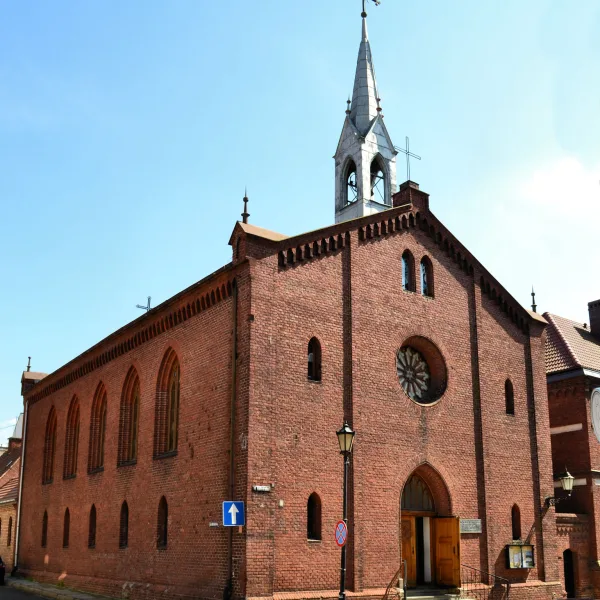
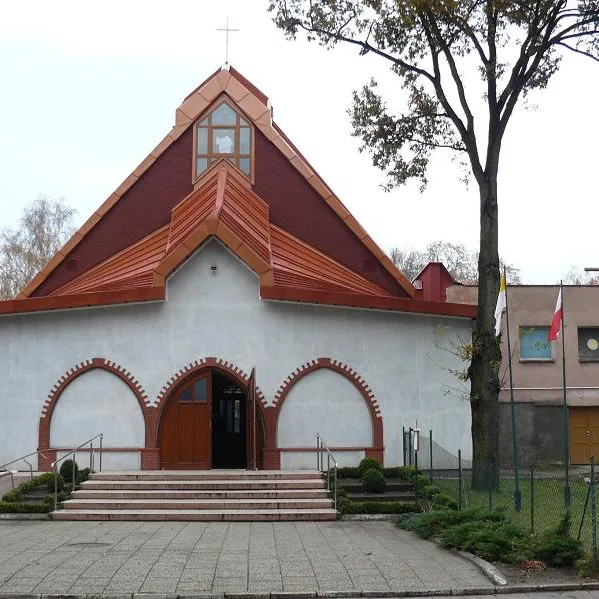
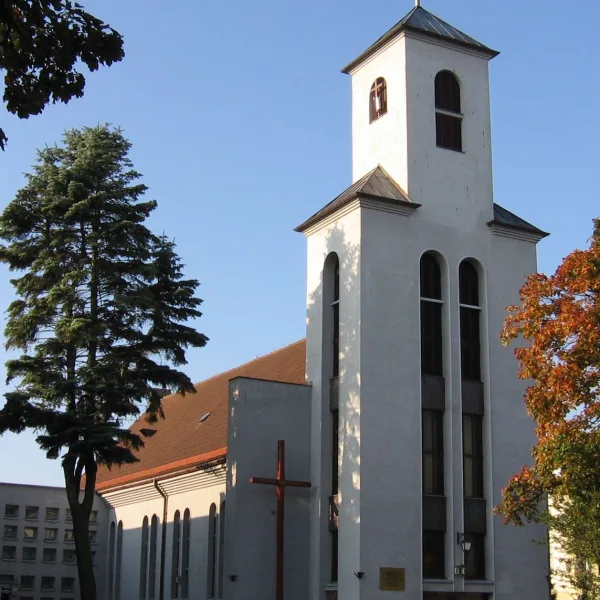
Next to the basilica, see the Church of the Immaculate Conception at Katedralna 35, nicknamed the Little Church by the River. It is a neo-Gothic church with one nave, built of red brick, a former Benedictine nuns' church and later a garrison church. The Church of the Exaltation of the Holy Cross in Kostrzewo has a completely different character: a modernist building from 1932, formerly Protestant, run by Franciscans since 1972, with a bell from 1805. The Church of St Martin on Portowa Street was created in 2001-2004 in a converted garrison club, on the site of a demolished Protestant church.
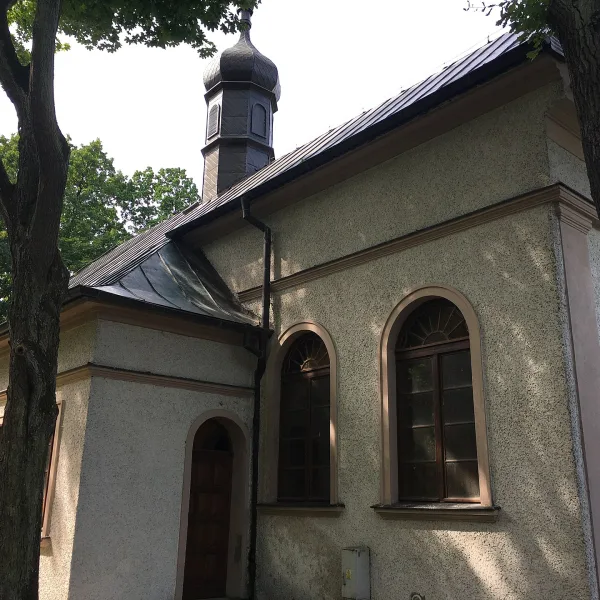
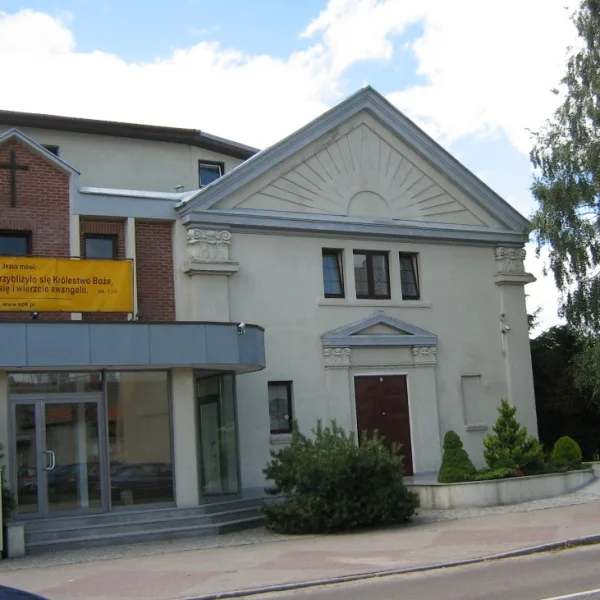
Two more buildings have a special history. The Church of the Protection of the Mother of God is a Greek Catholic church in a former hospital chapel from the early 20th century, consecrated in 1996, with a classicist facade and a small bell turret. The Christ Church occupies a building from the 1920s in which, on 1 June 1945, Soviet military authorities handed the town over to the Polish side. Today it is a congregation of the Christ Church. The full list of places of worship is under cathedrals, churches and monasteries.
Where to walk and what is free in Kołobrzeg?
A walk through Kołobrzeg costs nothing, and on the way you pass several historic parks, squares and monuments. Most free places lie in the Spa District and the town centre. The selection is under free things to do in Kołobrzeg, and a convenient route starts at the pier and the spa park.
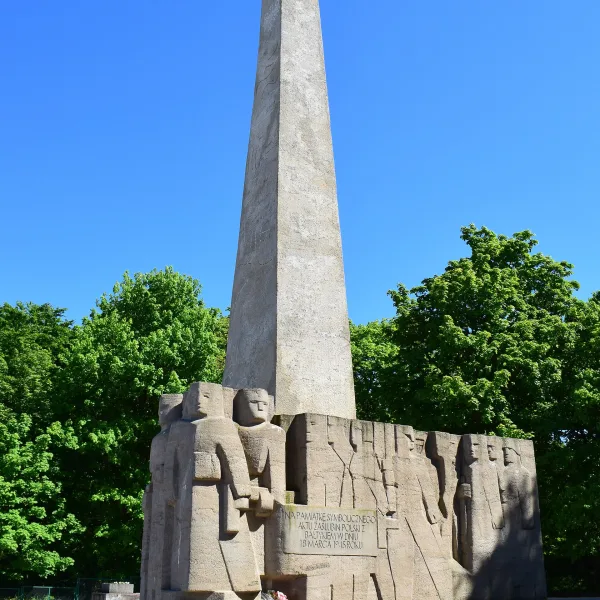
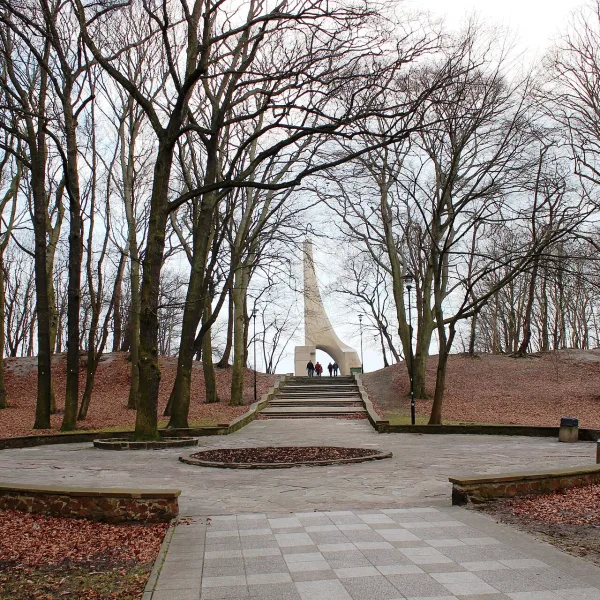
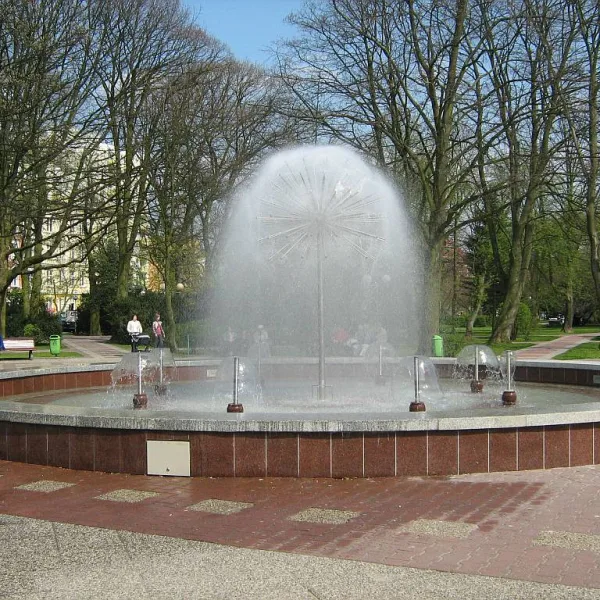
Stefan Żeromski Park is a historic spa park founded in 1853, with a concert shell and a bald cypress. In it stands the Monument to the Wedding of Poland to the Sea from 1963, designed by Wiktor Tołkin, commemorating the symbolic wedding of Poland to the sea on 18 March 1945. From the park it is close to Plac 18 Marca, a square from 1880 styled as a French garden and centred on a fountain and protected old trees. In the Old Town you can rest on Plac Ratuszowy, planned in 1255, when the town received its charter, with the town hall at its centre and a shopping arcade in the old Elwa building.
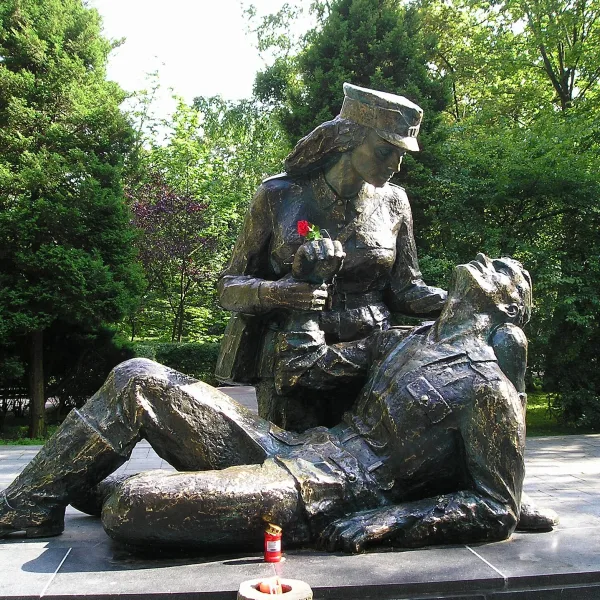
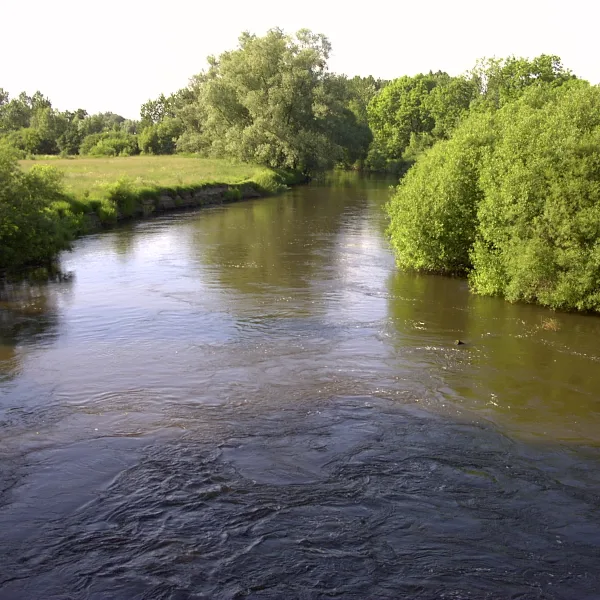
Walkers can also choose the Parsęta, a 139 km river flowing from the Drawsko Lakeland to Kołobrzeg. For canoeists it is an easy route from Białogard and a harder one in the upper and middle course. In the centre stands the Nurse Monument, a bronze by Adolf Cogiel unveiled on 13 July 1980. It honours women who served in the Polish Army, especially in the fighting for Kołobrzeg. Finally, Kołobrzeg Harbour at the mouth of the Parsęta combines a commercial and fishing port, a yacht marina and a passenger quay, with breakwaters and fishing basins. For couples an evening walk is especially atmospheric, and ideas are collected under for couples.
How to plan one day in Kołobrzeg?
A one-day plan works best when built around neighbouring addresses: the morning in the Old Town, the afternoon by the sea. The old centre with the town hall, the Brunswick Palace and the basilica fits in a few minutes' walk, and from the market square you walk through town towards the lighthouse and the pier.
For a warm-up the market square, the town hall and one museum from the Armii Krajowej Street group are enough. Then walk through the spa park to the pier, and finish with the harbour in the evening. If the day falls at a weekend, more ideas are in the article on a weekend in Kołobrzeg and Koszalin, and for a rainy version with children in the article on a rainy day by the sea. Town monuments return in the article on town halls of the eastern part of the region. Solo travellers will find extra suggestions under Solo.
Where is the memorial site in Kołobrzeg?
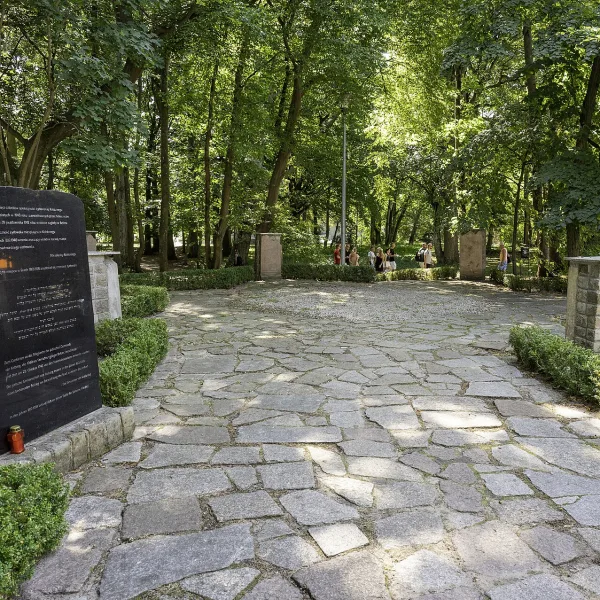
Kołobrzeg has one site of remembrance, which calls for a calm, factual approach. It is the old Jewish cemetery at the corner of Zdrojowa and Mickiewicza streets, in the Spa District, not far from the spa park.
The Old Jewish Cemetery in Kołobrzeg was founded in 1812. It was destroyed by German Nazis. Today it is a lapidarium with matzevot and a monument to the victims of the Holocaust.
Frequently asked questions
What to see in Kołobrzeg on a first visit?
The pier, the co-cathedral basilica, the town hall on the Old Town market square and the lighthouse above Pomeranian Bay. These four places show the town as a resort, a port and a former fortress. A walk through the spa park makes a good addition.
What to do in Kołobrzeg when it rains?
You can choose museums such as the Brunswick Palace and the Amber Museum, the oceanarium, swimming pools, play halls and the Regional Culture Centre. The list is longer than you might expect, so check the rainy-day section.
Where can you sightsee for free in Kołobrzeg?
You can walk onto the pier, stroll through Żeromski Park and Plac 18 Marca, see the 1963 monument to Poland's symbolic wedding with the sea and walk along the Parsęta. There are six free places, and the full list is in a separate section.
What remains of the fortress can be seen in Kołobrzeg?
Baszta Lontowa and Baszta Więzienna, Kamienny Szaniec, Reduta Bagienna and Fort Wilczy. Together with Fort Ujście and the Solna redoubt, they form the former fortification system from 1653-1887.
What is there for children in Kołobrzeg?
The Oceanarium, the Upside-Down House, Muzeum 6D, Klockowisko, Figlarnia, SkakunPark and Wrotkowisko. Most are indoors, so they suit any weather.

 Parks and nature