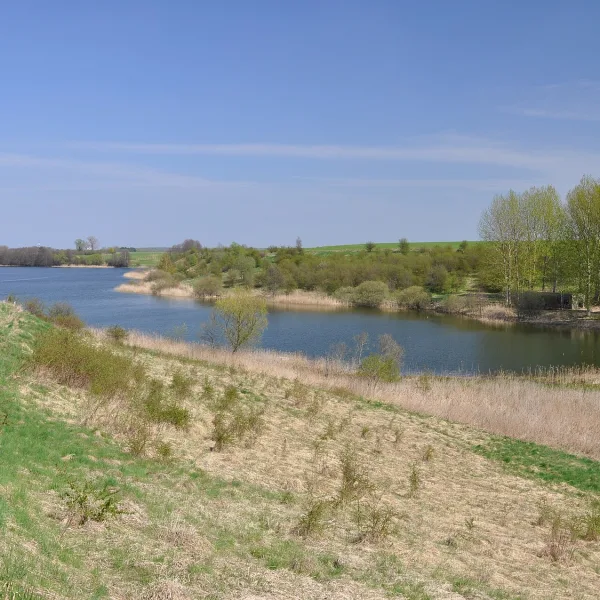
Nature in Wałcz means glacial lakes, a reserve with the meandering Rurzyca and peat bogs in the Drawsko Forest, six places in all within the municipality.
The area around Wałcz was shaped by a glacier: it left long channels filled with water, steep shores and peat bogs. The set shows four lakes and two reserves that can be visited in a day or two. The whole municipality is covered under attractions in Wałcz, and greenery and water from across the region under nature in West Pomerania.
How do the lakes around Wałcz differ?
All four are glacial lakes, but they differ in size and surroundings. Raduń and Lake Zamkowe lie in town, Zdbiczno and Dębno among villages and forests.
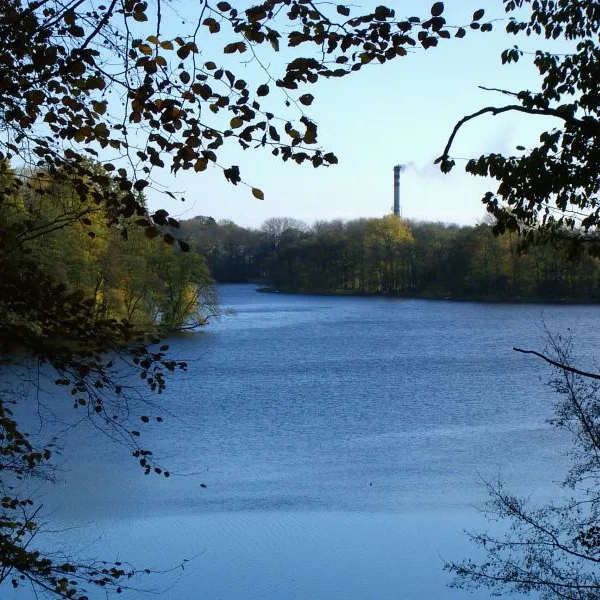
Raduń covers, by different measurements, from about 198 to 230 hectares, with an average depth of 9.5 metres. It lies at about 110 metres above sea level. Jezioro Zamkowe (Lake Zamkowe) has an elongated shape, and Wikipedia describes it as a town lake. A wider picture of the urban landscape is in the article Wałcz by lakes Raduń and Zamkowe.
Zdbiczno (Lake Zdbiczno) is a channel lake with steep banks and a highly indented shoreline, 29 metres deep at its deepest. A peninsula more than 2 km long reaches into it from the north. The Zdbica river flows out of it. Dębno (Lake Dębno) is far smaller, at about 25 hectares, with forested banks. The border between the West Pomeranian and Greater Poland voivodeships runs along its northern shore.
What do the reserves near Wałcz protect?
Near Wałcz a river, springs and peat bogs are protected. The Rurzyca Valley is a landscape reserve, and the Mokradła koło Leśniczówki Łowiska is a peat-bog reserve.
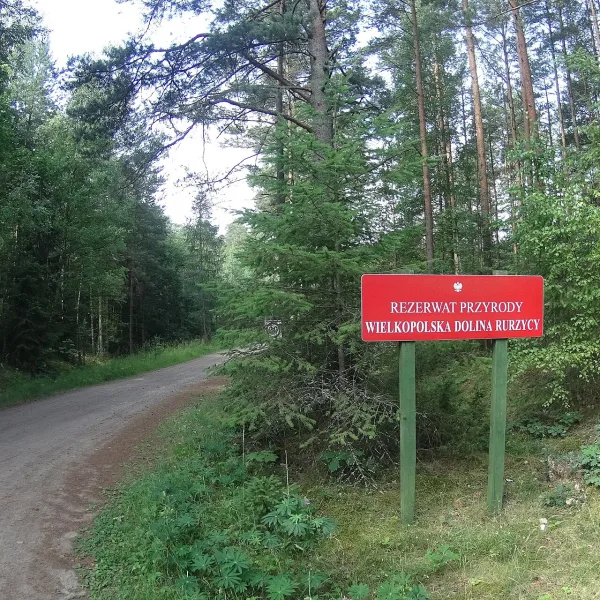
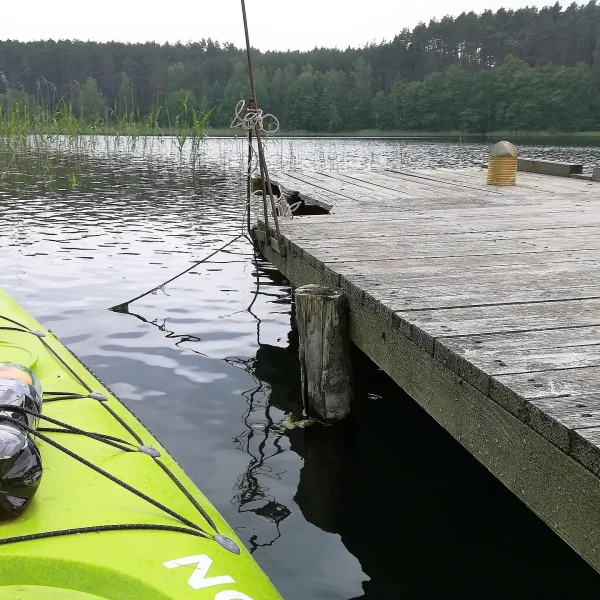
Rezerwat przyrody Dolina Rurzycy (Dolina Rurzycy Nature Reserve) was created in 2005 and covers 554.68 ha of Płytnica Forest District woodland. It protects a meandering river in a deep valley, lakes Krępsko Górne, Krępsko Średnie and Dąb and a chain of clean channel lakes. The most valuable part is a complex of springs and low-lying peat bogs with ten habitat types. For paddlers it is a 25 km trail.
Mokradła koło Leśniczówki Łowiska was set up in November 2011 in the Drawsko Forest, on 101.75 ha. Three small lakes and a pine forest shelter rare water and bog plants and birds. Lake Jeleń takes 8 to 10 ha, and the entire area is under active protection. Cultural traces of earlier inhabitants of the region are described in Orthodox churches of the West Pomeranian Lakeland: a trace of people resettled after 1947.
How do you plan a day by the lakes of Wałcz?
Walk around Raduń and Zamkowe in the morning, and in the afternoon drive to Zdbiczno or the reserve. Dębno and the Rurzyca lie on the same side, so they are easy to combine.
Remember that protection rules apply in the reserves. If you are also interested in traces of fortifications, see the article The Cegielnia Fortified Group in Wałcz and the Szczecinek bunkers: two sections of the Pomeranian Wall.
Frequently asked questions
Which lake in Wałcz is the largest?
In the set the largest is Zdbiczno, the second largest on the Wałcz Plain, at about 220 to 276 hectares, depending on the measurement. Raduń covers about 198 to 230 hectares.
What does the Dolina Rurzycy reserve protect?
A meandering river in a deep valley, channel lakes, slope forests, springs and peat bogs.
When was the Mokradła koło Leśniczówki Łowiska reserve created?
In November 2011, in the Drawsko Forest. It covers 101.75 ha and three small lakes.
Where does the voivodeship border run near Wałcz?
Along the northern shore of Lake Dębno.

 Lakes