Architecture in Wałcz: neo-Gothic churches, an 1890 town hall, two Orthodox-rite churches, a classicist manor and the steel Kłosowski Bridge over Lake Raduń.
Wałcz lies between lakes, and its monuments come mainly from the 19th and early 20th centuries, so it is a good place to see how people built in the age of brick and historicism. The rest of the town is shown under Wałcz, and buildings from the region are gathered in the architecture section of West Pomerania.
Which neo-Gothic churches and town hall stand in the centre of Wałcz?
The centre has two brick neo-Gothic churches and a town hall from the late 19th century. All were built of brick between 1863 and 1903 and stand close enough to be seen in one walk.
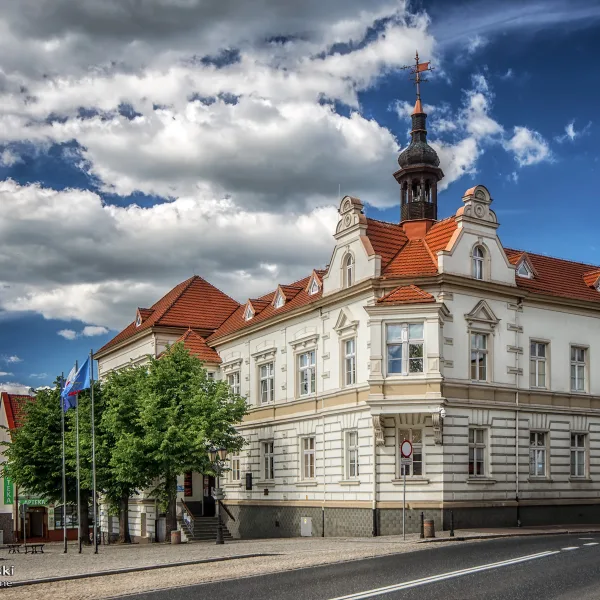
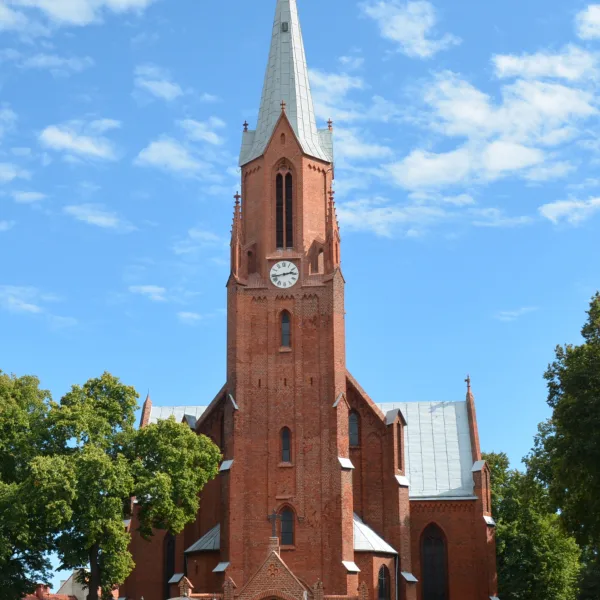
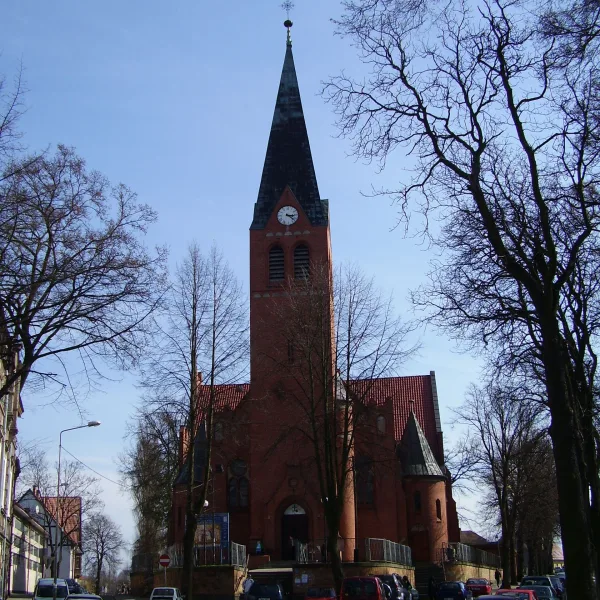
Ratusz w Wałczu (Town Hall) was built in 1890 on a corner of Plac Wolności. It is a brick building with an oriel, and its neo-Baroque turret became its symbol. Today it houses the town authorities. Right beside it stands Kościół św. Mikołaja w Wałczu (Church of St Nicholas), a neo-Gothic church of 1863-1865 consecrated in 1866, which received older furnishings from the former church. Kościół św. Antoniego w Wałczu (Church of St Anthony) on Sądowa street, of 1900-1903, was built on a cross plan for the Protestant congregation. Today it belongs to the Capuchins.
What sets the Orthodox-rite churches of Wałcz apart?
Two churches were created in buildings that had quite different purposes. Both occupy former Protestant buildings, so the role of the building changed along with the denomination.
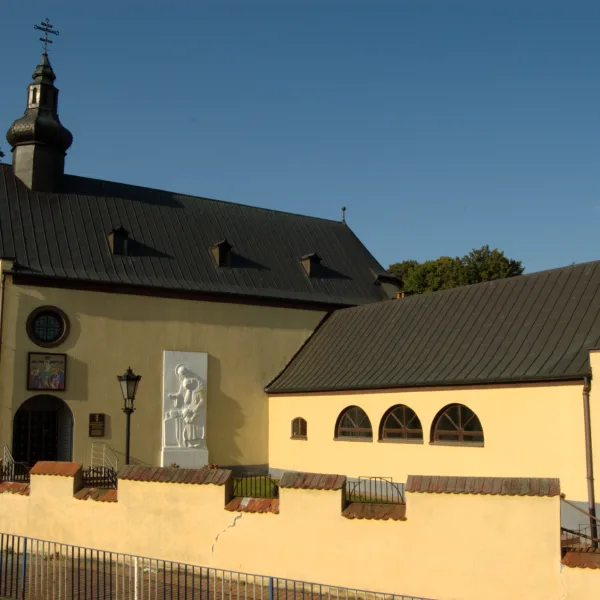
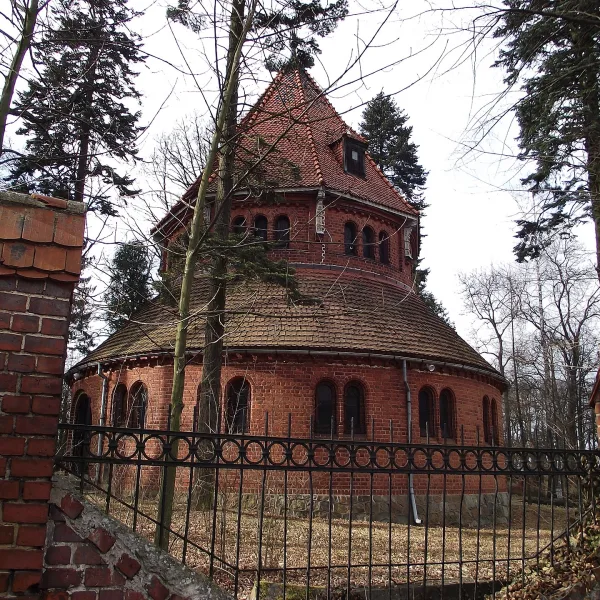
Cerkiew Świętej Trójcy w Wałczu (Orthodox Church of the Holy Trinity) on Kujawska street is an Orthodox church in a former Protestant cemetery chapel of the 19th century. The iconostasis comes from an old church in the Lublin area that was pulled down. Cerkiew Podwyższenia Krzyża Pańskiego w Wałczu (Exaltation of the Holy Cross) on Andersa street serves the Greek Catholic community, in a Lutheran hospital chapel built in 1923-1924. It has a relief commemorating those killed in the First World War. Wider context comes in an article on Orthodox churches of the Lakeland.
Where in Wałcz can you see the manor house and the suspension bridge?
The manor holds a museum, and the bridge crosses Lake Raduń. Both combine easily with a walk through town, and the museum suits poorer weather.
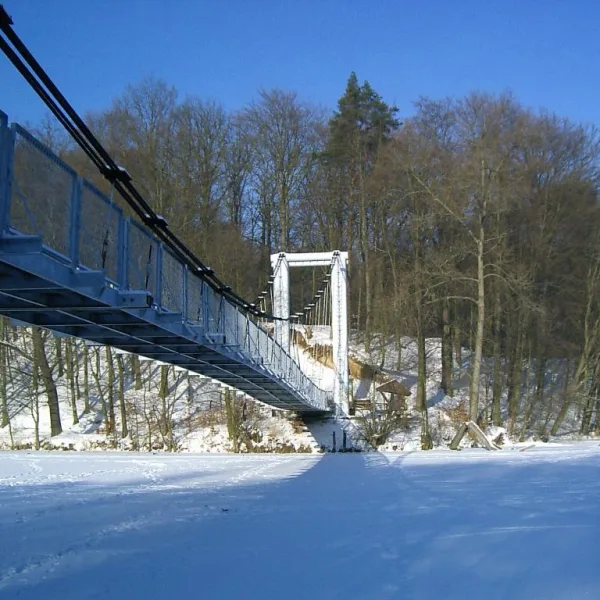
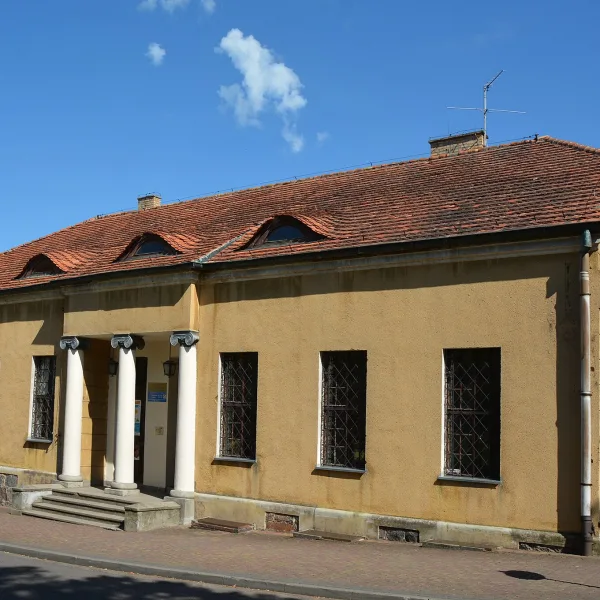
Muzeum Ziemi Wałeckiej w Wałczu (Wałcz Land Museum) occupies a classicist manor house of the early 19th century on Pocztowa street. It is a brick building on the register of monuments; inside is an exhibition from prehistory to 1945, and outdoors a fortification open-air display of the Pomeranian Wall. Most Kłosowski (Kłosowski Bridge) is a steel suspension bridge of 1978, 85 metres long, for pedestrians only. It links the lake shores at its narrowest point and leads towards the fortifications. For the lakes themselves, read Wałcz on lakes Raduń and Zamkowe, which describes the shores.
Frequently asked questions
How long does Wałcz architecture take?
You can see the buildings from the street in an afternoon. Only the museum holds you longer, if you want the exhibition and the open-air display.
Can I drive across the Kłosowski Bridge?
No, the bridge is for pedestrians only.
Which Wałcz church do the Capuchins run?
The one on Sądowa street: neo-Gothic St Anthony's, put up in the early 20th century for a Protestant congregation.
Where is the town hall in Wałcz?
On a corner of Plac Wolności, the market square. It has a neo-Baroque turret and is the seat of the town authorities.

 Museums