Nature in Szczecin: Lake Dąbie, Emerald Lake, the Zdroje reserve and a hill with a view, eight places within the city limits.
Szczecin lies in the Oder valley and at the edge of the Beech Forest, so you do not have to leave town for nature. The eight places carrying the nature tag are waters, hills, a protected fragment of woodland and city green spaces. Three of them are in Zdroje, so you can see them on a single excursion.
Where is the water, and the view of it, in Szczecin?
Two lakes and two ponds give different kinds of waterside walk, from a large delta lake to small ponds among housing estates.
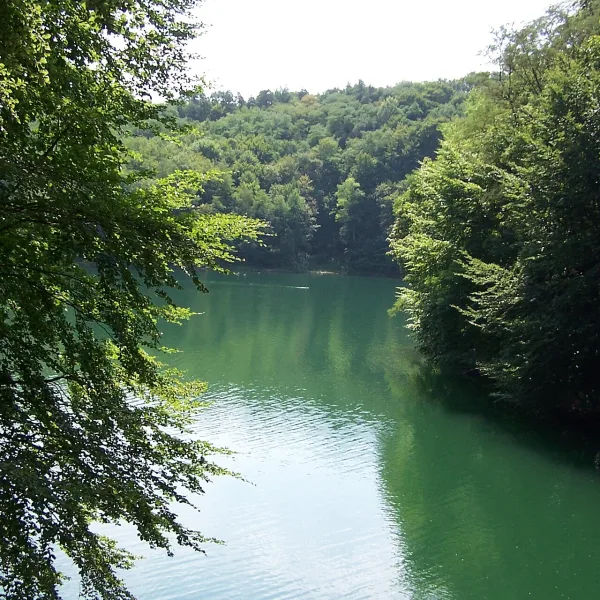
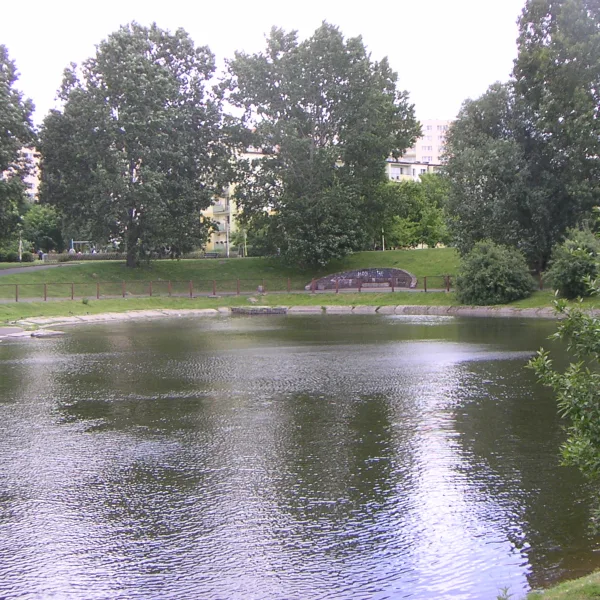
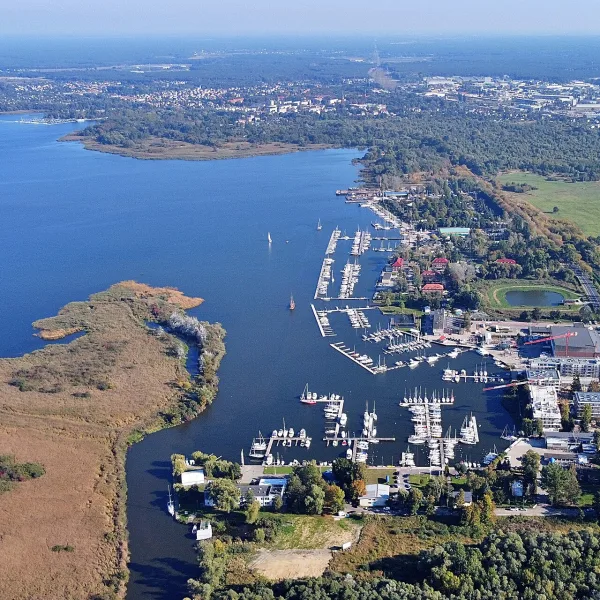
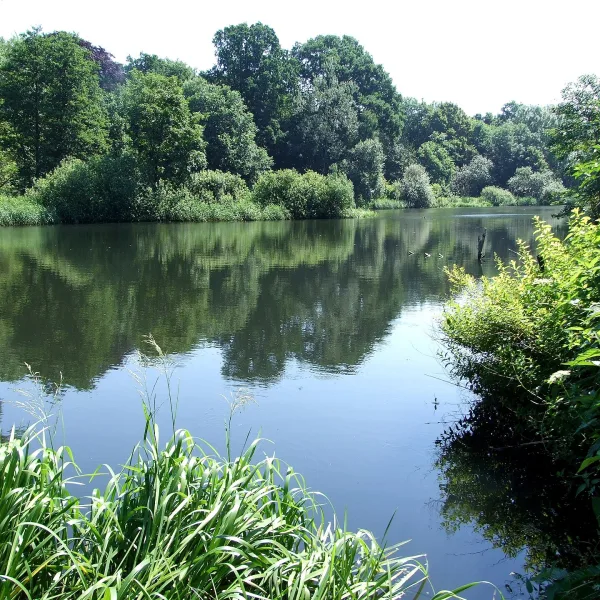
Lake Dąbie lies entirely inside the city, in the Lower Oder Valley, and is the biggest lake in Szczecin, with a shipping channel for large vessels plus moorings and marinas. Emerald Lake (Jezioro Szmaragdowe) in Zdroje formed when the pit of a former chalk mine flooded in 1925, and there are viewpoints and trails around it. In the Niemierzyn Valley lie the Syrenie Stawy, a group of ponds inside the Kasprowicz-Arkoński park complex, about three kilometres from the centre. On the Słoneczne estate there is also the Rubinowy Staw, a small pond with paths and benches, good for a short rest.
Where can you climb a hill or visit a nature reserve in Szczecin?
Set aside a separate afternoon for Zdroje: three of the eight places are there, in the north-western part of the Szczecin Landscape Park Beech Forest.
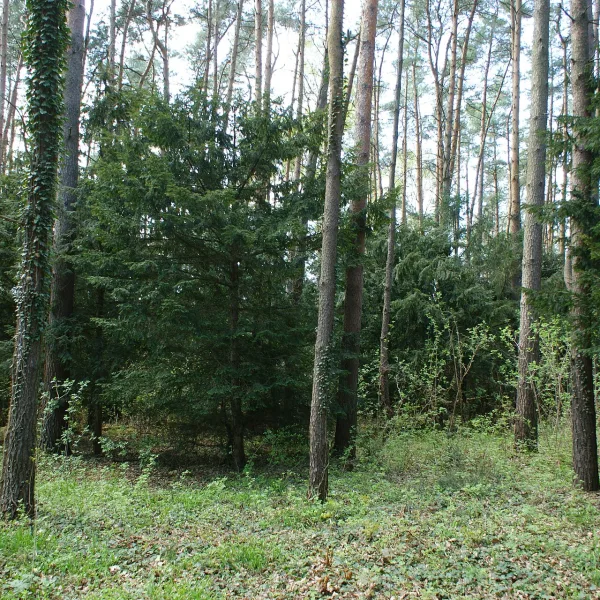
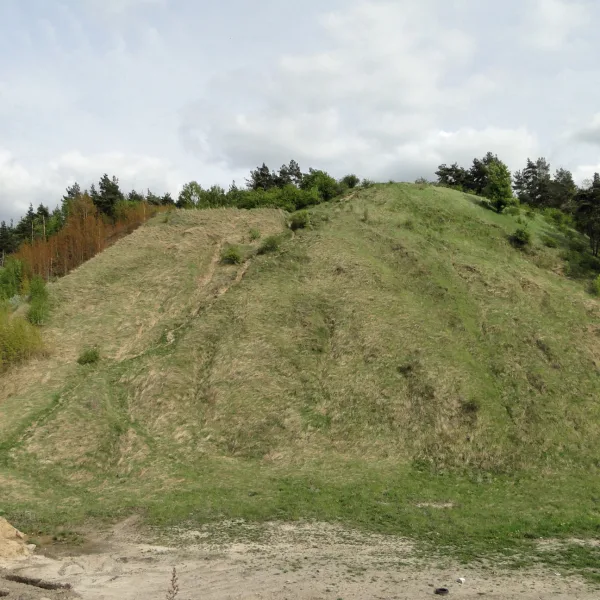
Academic Hill rises 51 metres on a spoil heap from a former chalk mine, and from the top you see the city and the Oder valley. Nearby is the Zdroje nature reserve, a small floristic reserve, a couple of hectares in size, that protects a regenerating stand of yew.
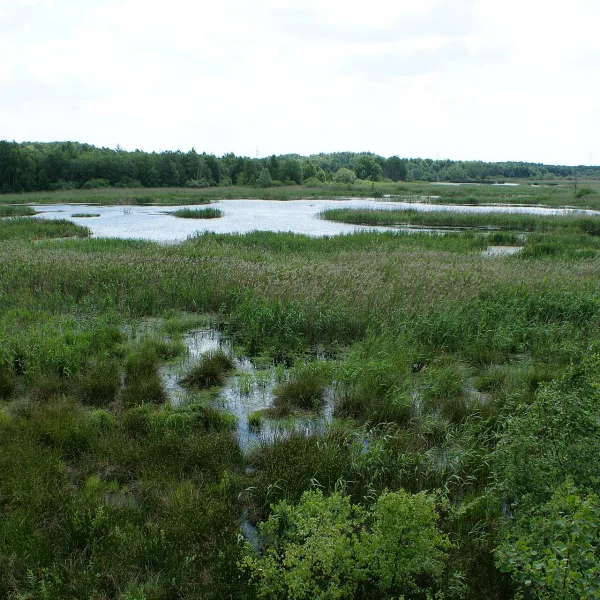
In the city's north lies the "Wodozbiór" Nature and Landscape Complex in Warszewo, a protected area of more than sixty hectares with Wysoki Staw and the springs of the Gręziniec and Sienniczka streams. The City Council set it up by resolution in 1994.
Which green spaces in central Szczecin count as nature too?
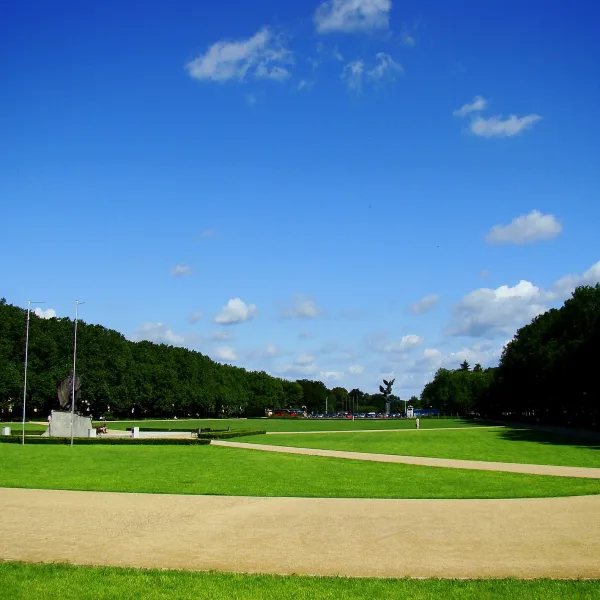
One place on the list sits right downtown: Jasne Błonia, a green square north of the City Hall that is easy to fit into a walk around the centre.
Jasne Błonia was laid out in 1925-1927 and is on the heritage register. The greenery is made of two hundred and thirteen plane trees, and two monuments on the square commemorate the Polish Deed and John Paul II.
How does the nature of Szczecin connect with the Oder valley?
Lake Dąbie and the Międzyodrze area belong to the same valley in which the city lies. Anyone who wants to see what nature looks like between two arms of the river should read about the landscape park.
Wider context comes from Lower Oder Valley Landscape Park and Międzyodrze: nature. The nature of the whole region is covered by the overview nature, and other addresses in the city are the subject of Szczecin.
Frequently asked questions
Which is the largest lake in Szczecin?
The largest is Lake Dąbie, a lake of the delta type, sitting entirely inside the city boundary, with a shipping lane crossing it.
Where can you get a view of Szczecin?
From Academic Hill in Zdroje. It stands 51 metres high on a former spoil heap, and from the top you see Szczecin and the Oder valley.
Is there a nature reserve in Szczecin?
Yes, the Zdroje reserve in the Beech Forest, set up to protect a renewing stand of yew.
Which of Szczecin's nature places carry the scenic views tag?
Three of the eight: Lake Dąbie, Emerald Lake and Academic Hill. The last two are in Zdroje, in the Beech Forest.