Things to do alone in Szczecin: Chrobry Embankment, the Ducal Castle and the National Museum are places that suit a solo visitor well.
Szczecin is an easy city to explore on your own: most sights sit close together, none needs a group booking, and you can set your own pace. More than a hundred of the attractions in Szczecin suit a solo outing, and this selection is narrower than the regional list of solo attractions, because it covers this city only.
What to see alone in Szczecin if you only have one day?
For one day, pick the Old Town and the Oder terrace: start at Wały Chrobrego (Chrobry Embankment), then climb Castle Hill and walk down towards Sienny Square. It is a few hundred metres as the crow flies, yet it covers several centuries.
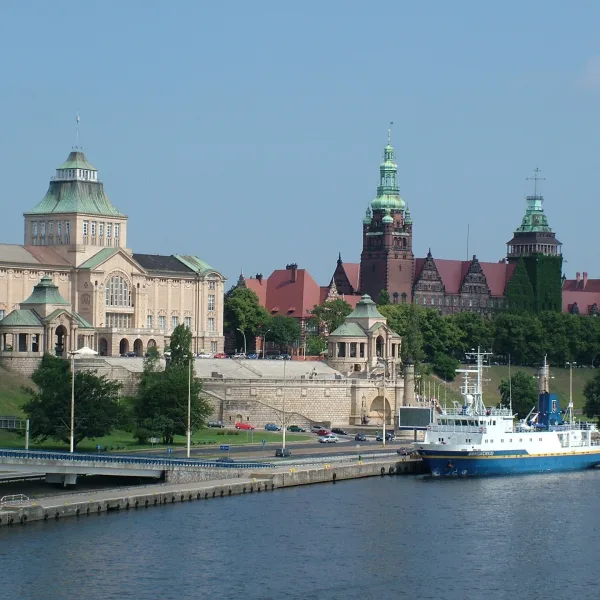
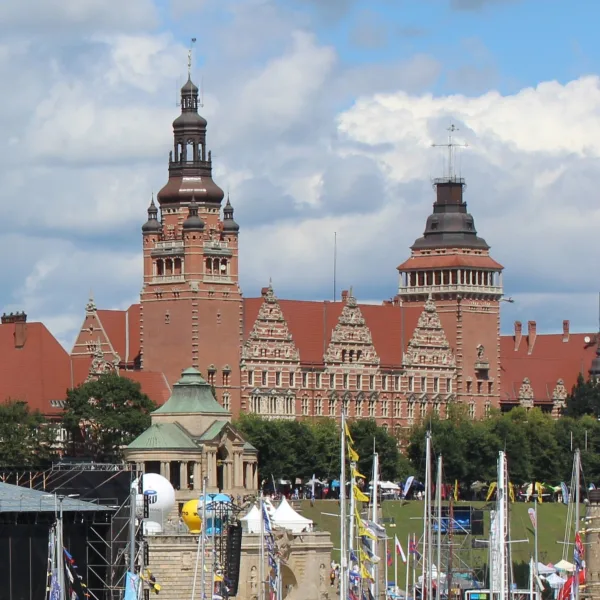
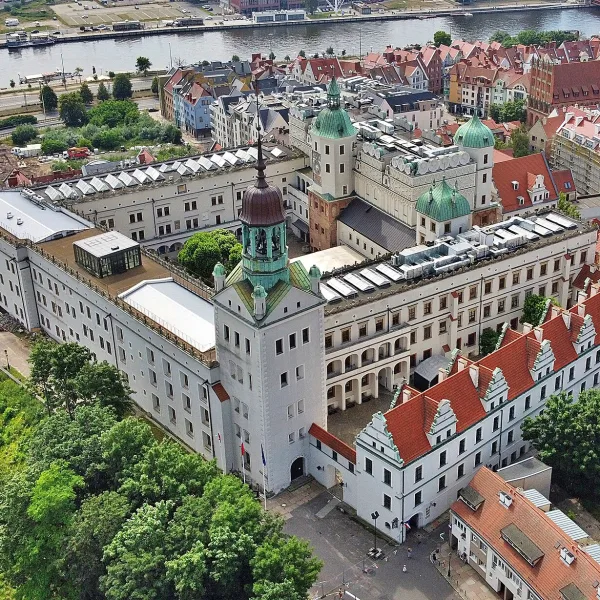
Wały Chrobrego stretches for half a kilometre along the river. The terrace went up in the early 20th century, and beside it rose the museum, the voivodeship office and the maritime school. A walk along the balustrade needs no company, and the benches give you a place to rest. From the terrace you reach the Zamek Książąt Pomorskich (Ducal Castle), the Renaissance seat of the Griffin dukes, put up again after wartime destruction. It has a ducal crypt and a tower from which you look down over the city.
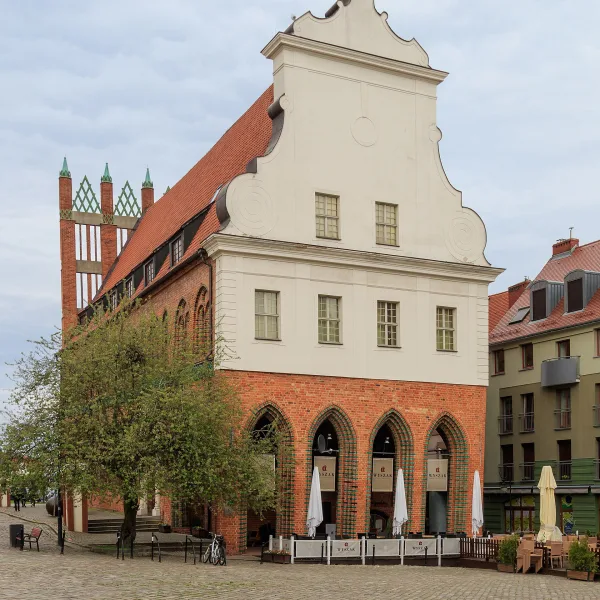
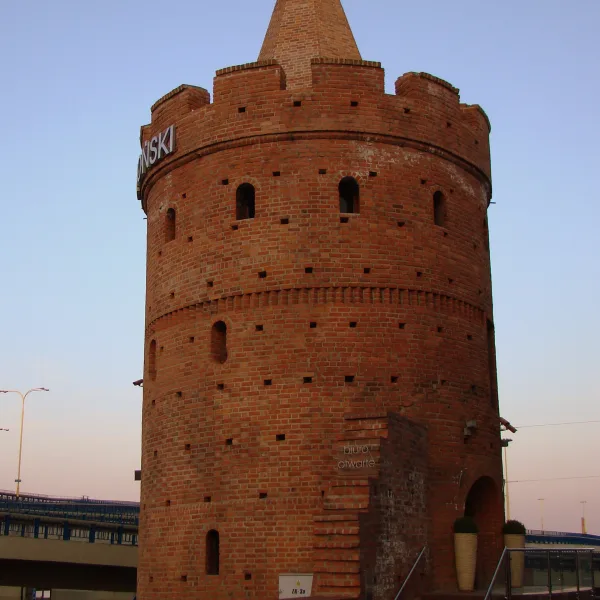
Right beside it stands Baszta Panieńska (Maiden Tower), a medieval brick bastion on Panieńska Street that was rebuilt in 1964. A solo visitor has an advantage here: a quarter of an hour is enough to walk around it and slip into the lanes of the Old Town without agreeing anything with anyone. Further on, by Sienny Square, you find the Ratusz Staromiejski w Szczecinie (Old Town Hall), a late medieval brick hall that was recreated in the 1970s and is used today by the Museum of the History of Szczecin.
Which museums in Szczecin are best visited on your own?
Museums with an obvious route and a modest scale suit independent visitors, for example Muzeum Narodowe w Szczecinie (National Museum), the technology museum and the Przełomy Dialogue Centre. Nobody dictates your pace in them, and a dozen or so places on this list carry a tag for bad weather.
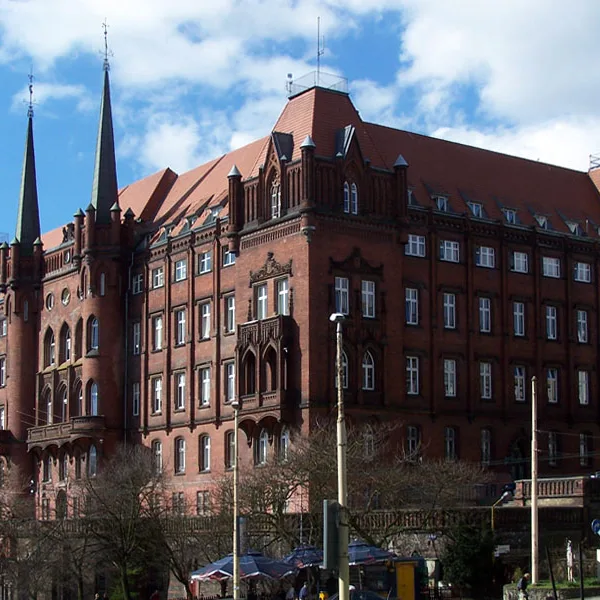
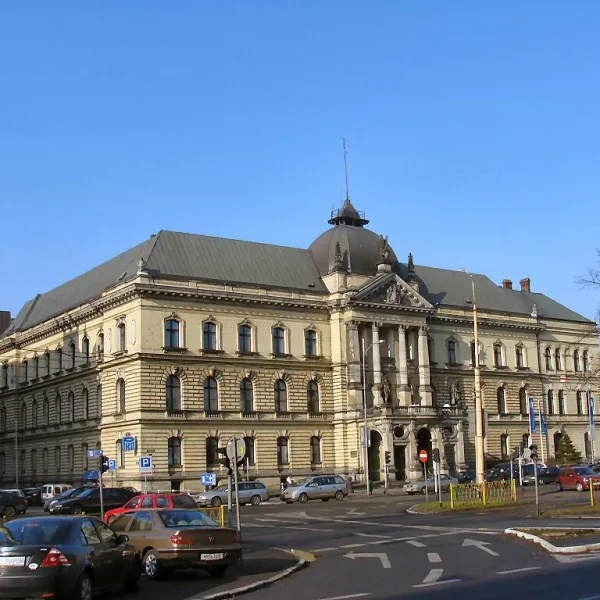
The National Museum is the largest institution of its kind in West Pomerania: the main building stands on the riverside terrace, and the museum also runs four more branches in town plus a display in Gryfice. The Gmach Główny Muzeum Narodowego w Szczecinie (Main Building), from the 1910s, has an E-shaped plan and rises 54 metres, so it is worth walking round before you step inside.
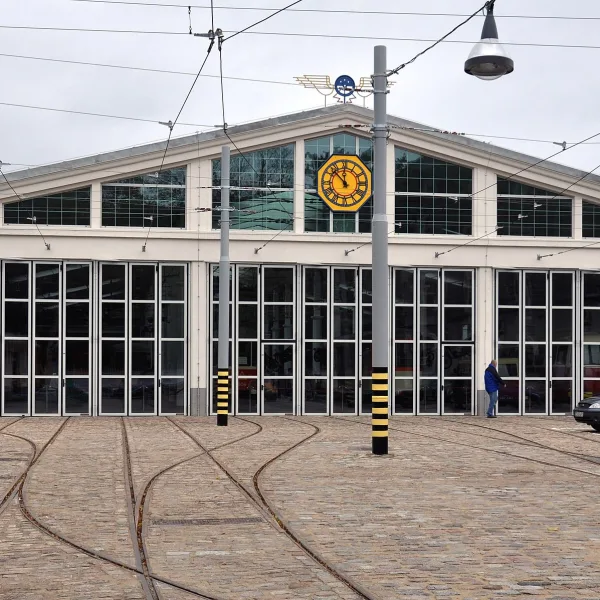
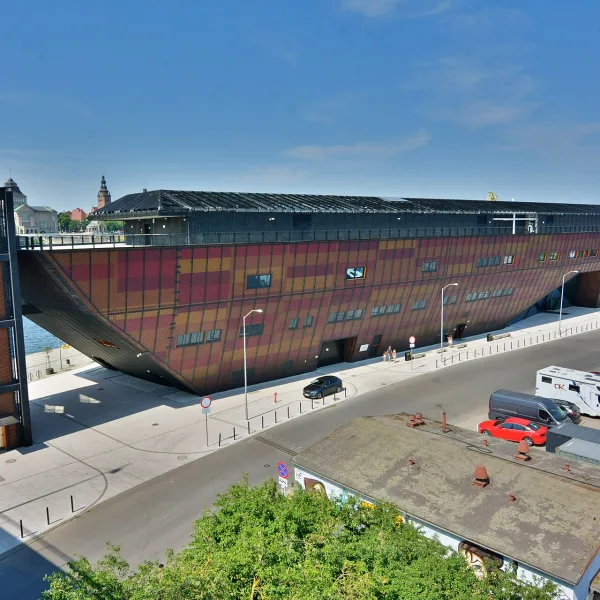
Muzeum Techniki i Komunikacji w Szczecinie occupies an old tram depot in Niebuszewo-Bolinko. Inside are vehicles from Szczecin, several trams and a hands-on science area. The Muzeum Centrum Dialogu Przełomy on Solidarity Square tells, underground, what happened to the city and the region after 1945, and the building itself took the World Building of the Year award in 2016.
If you like the atmosphere of underground spaces, try the Podziemne trasy turystyczne w Szczecinie (Szczecin Underground Routes): three displays set up in a shelter the Germans built next to the main railway station. You can visit on your own or with a group, so a lone guest does not have to fit around tour times. The Morskie Centrum Nauki im. prof. Jerzego Stelmacha w Szczecinie (Maritime Science Centre) on Łasztownia is a hands-on exhibition about the sea and sailing, completed by a planetarium and a terrace overlooking the Oder.
Where can you look at Szczecin architecture without hurry?
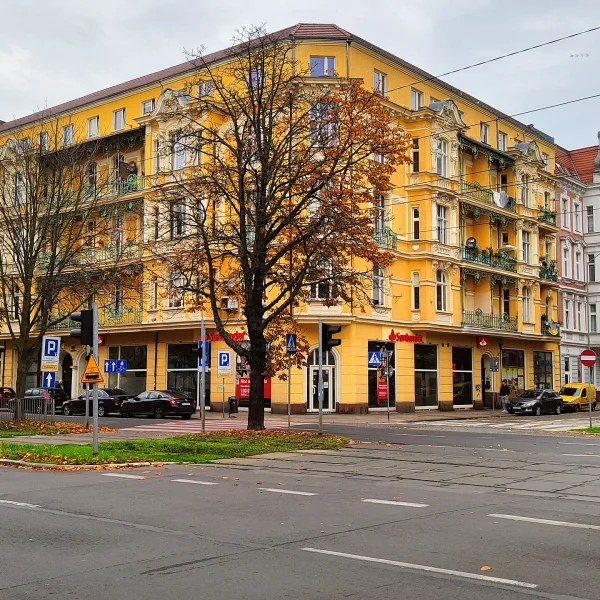
Architecture is easiest to see alone in the Centrum district, around Grunwald Square and Niepodległości Avenue, because every address lies within a short walk. A slow pace lets you notice details: oriel windows, sculptures, portals and gate gables.
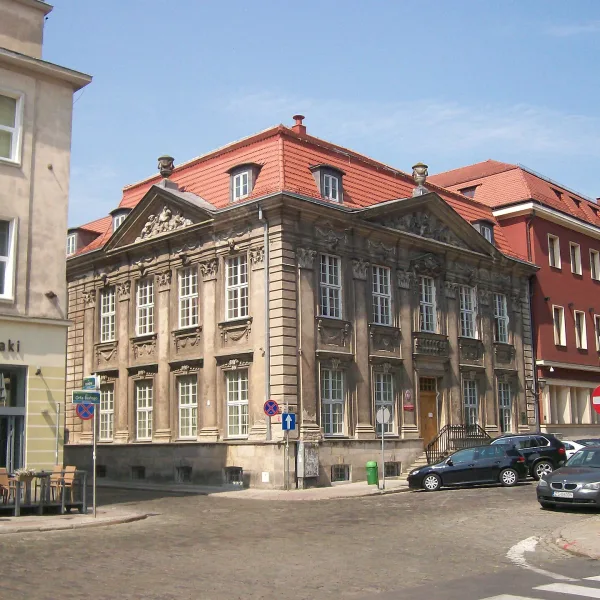
Start with the tenement houses. Kamienica Wilhelma Gramtza (Wilhelm Gramtz Tenement House) at Śląska 38, built in the early 1890s, shows putti over the entrance and a corner bay with a helmet roof. Kamienica Augusta Mintza w Szczecinie from 1898 occupies a street corner by Grunwald Square, and its ground floor still holds a pharmacy from 1900 with the old dispensing-room fittings. Kamienica przy ul. św. Wojciecha 1 is an Art Nouveau house from the early 20th century with a rear wing, a courtyard and a fountain.
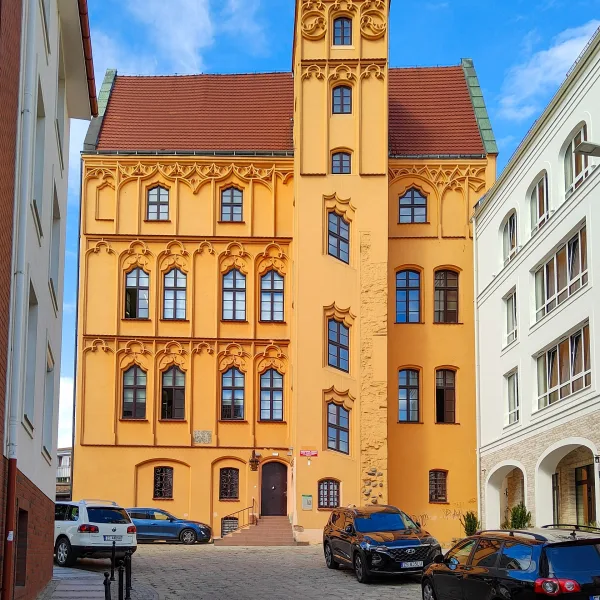
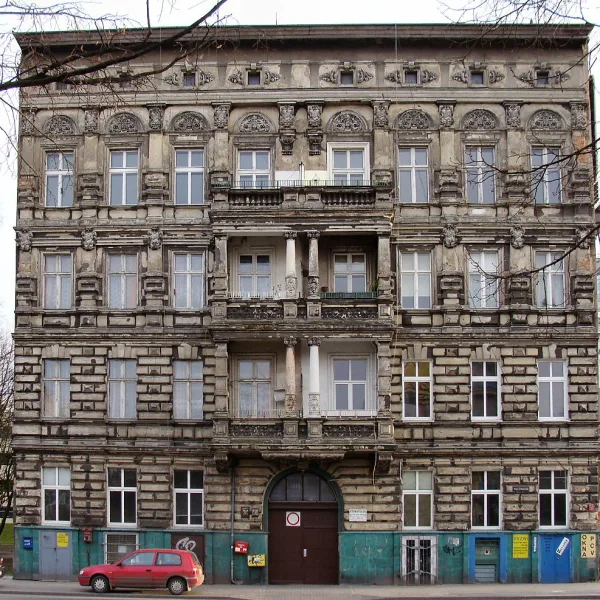
Fans of solitary exploration will also find less obvious stops. Malczewskiego 34 is a late 19th century house laid out in a U shape, and the single building of its block that survived from before the war. Piłsudskiego 7 w Szczecinie dates from 1897. It is all that is left on the east side of the street, and its third floor is decorated with bay windows and sculpted women. Kamienica Loitzów (Loitz House) at Kurkowa 1, a late Gothic house from the 16th century, belonged to the Loitz family of bankers. Today it is used by an art school.
Brick public buildings complete the route: the Czerwony Ratusz (Red Town Hall) from 1875-1879 on Batory Square and the Gmach poczty przy alei Niepodległości 41/42 w Szczecinie of 1905, which has two monumental portals and a stretch of rails left in its courtyard. For a longer walk add the Archiwum Państwowe w Szczecinie (State Archive), a brick building handed over in 1901.
Are the palaces and gates of Szczecin worth seeing on your own?
Yes, because they speak for themselves: all you need is to stand in front of the facade. The palaces and gates cluster around White Eagle Square and Prussian Homage Square, so they fit into one hour of walking.
Pałac Pod Globusem w Szczecinie (Palace Under the Globe) is a late 19th century neo-Baroque building crowned with a globe. It replaced the Grumbkow residence and now belongs to the Academy of Art. Next to it stands Pałac Velthusena went up in the late 18th century as a winery, later made pianos, and has housed a music school since 1963.
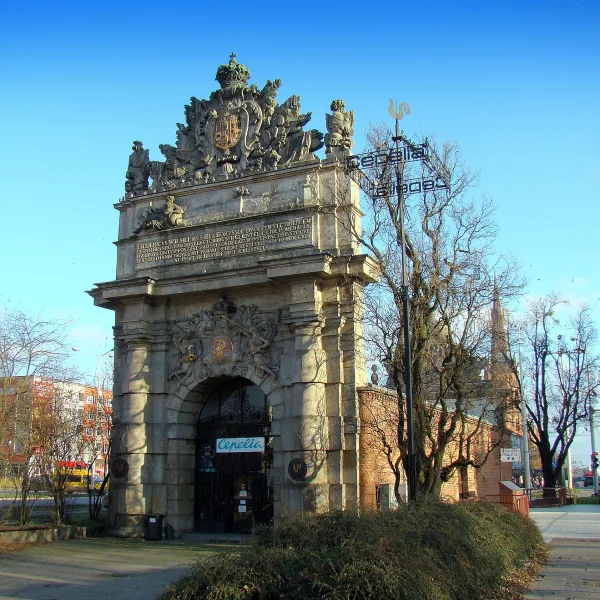
City gates are a category of their own. Brama Królewska w Szczecinie (Royal Gate) stands on Prussian Homage Square. It was built in the first half of the 18th century and is topped by gables showing Mars and Hercules. Brama Portowa w Szczecinie (Port Gate) is the former Berlin Gate, Baroque, with a Latin inscription and a panorama of the city in its attic. Both are worth seeing in one walk, and few passers-by disturb the quiet between them.
Which churches in Szczecin suit solo sightseeing?
Churches are the largest group on this list, and for a solo visitor they offer two things: silence and clearly different styles, from Gothic to modernism. Visit as you would anywhere, and respect the schedule of services.
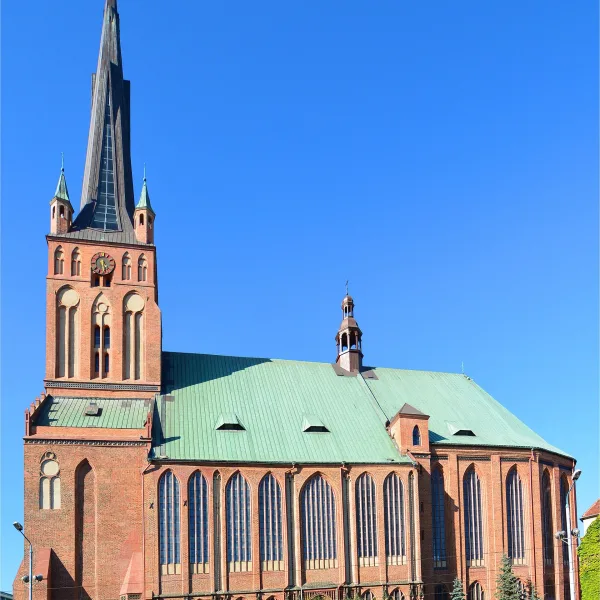
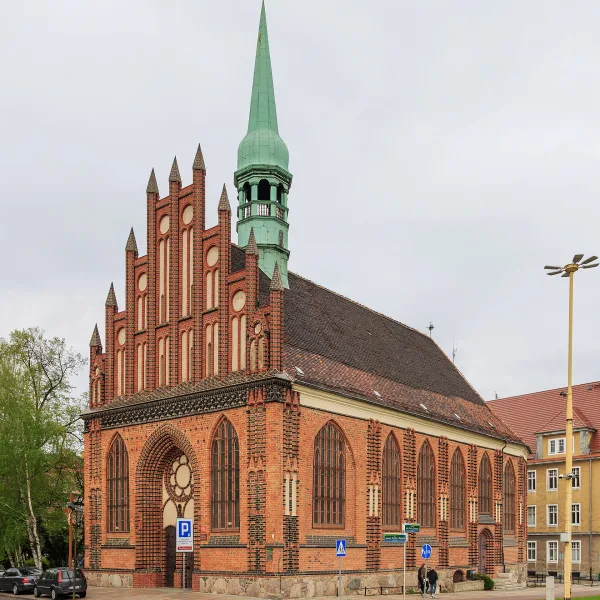
The core is the Bazylika Archikatedralna św. Jakuba Apostoła w Szczecinie (St James' Cathedral Basilica), a Gothic brick hall in the Old Town. Its tower is topped by a helmet of over 110 metres, and inside you find Gothic altars. In the centre stands the Bazylika św. Jana Chrzciciela w Szczecinie (Basilica of St John the Baptist), a Neo-Gothic church from the late 19th century that has held the title of minor basilica since 2008. The small Kościół św. Piotra i św. Pawła w Szczecinie has a ceiling painting from 1703, and the Cerkiew św. Mikołaja w Szczecinie (Orthodox Church of St Nicholas), built in 2011, is Byzantine in style.
For trips beyond the centre choose the Kościół Matki Bożej Jasnogórskiej w Szczecinie in Pomorzany, a former Neo-Romanesque water tower on a sixteen-sided plan. In Osów you find the Kościół Matki Bożej Bolesnej w Szczecinie with a wooden tower from the 18th century, and in Skolwin the Kościół Chrystusa Króla w Szczecinie with a Baroque organ gallery and furnishings from 1692.
Where to go alone in Szczecin for views and nature?
Views and nature suit a solo break: choose Zdroje and the Bukowa Forest or the shore of Lake Dąbie. These form several groups of a few places each, so plan single outings.
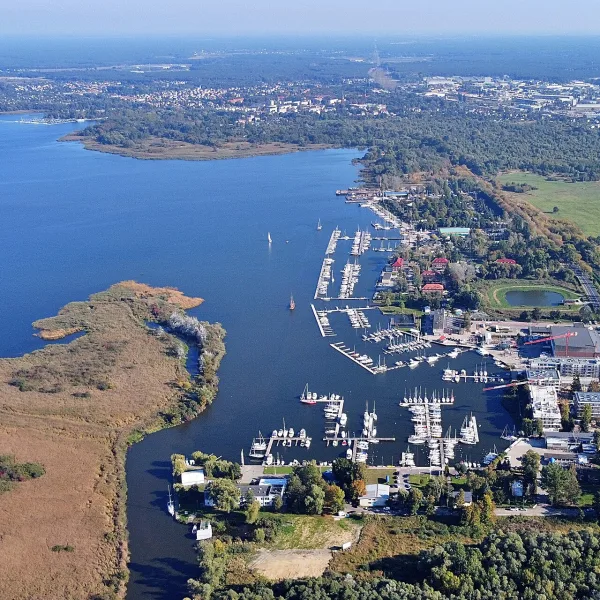
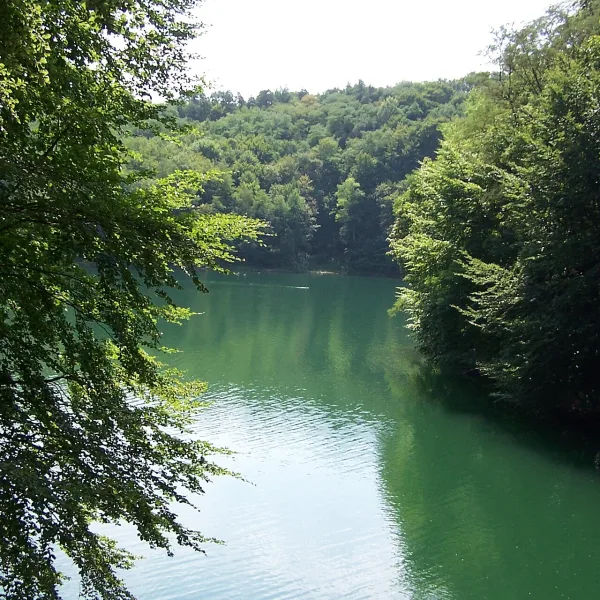
Jezioro Szmaragdowe (Emerald Lake) lies in Zdroje, in the Bukowa Forest, in an abandoned chalk pit that filled with water in 1925. Close by rises Wzgórze Akademickie (Academic Hill): 51 metres above sea level on the spoil heap of the former quarry, with a view over Szczecin and the Oder valley. Dąbie (Lake Dąbie) is a delta lake of 54 km² with a shipping channel, marinas and sailing harbours.
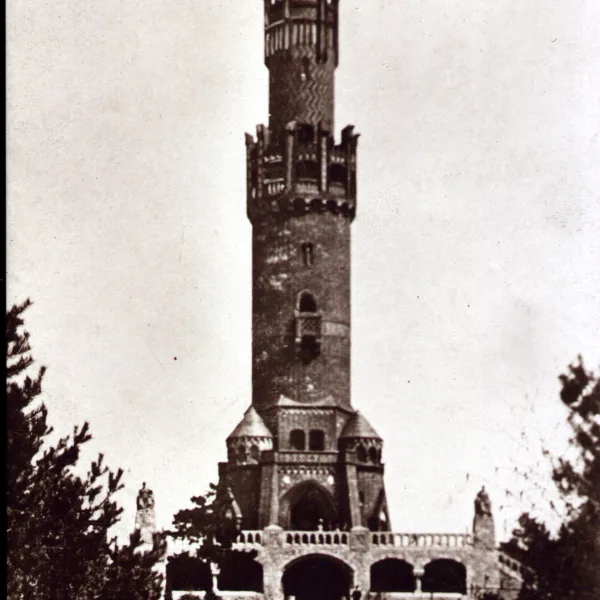
In the Lasek Arkoński stands the Wieża Quistorpa (Quistorp Tower), the remains of a lookout tower from the early 1900s that was wrecked in the Second World War. A lone traveller will like it as a quiet corner of forest within the city limits. The Wieża Bismarcka w Szczecinie (Bismarck Tower) on Green Hill in Gocław has a viewing terrace, but it is closed to visitors during renovation, so check its status before you set out.
How to plan a solo walk through the districts of Szczecin?
Most places on this list lie in the Old Town (several dozen), then in Centrum, and then in Dąbie and Pogodno, so it is best to close each walk within one district. That saves time and transport.
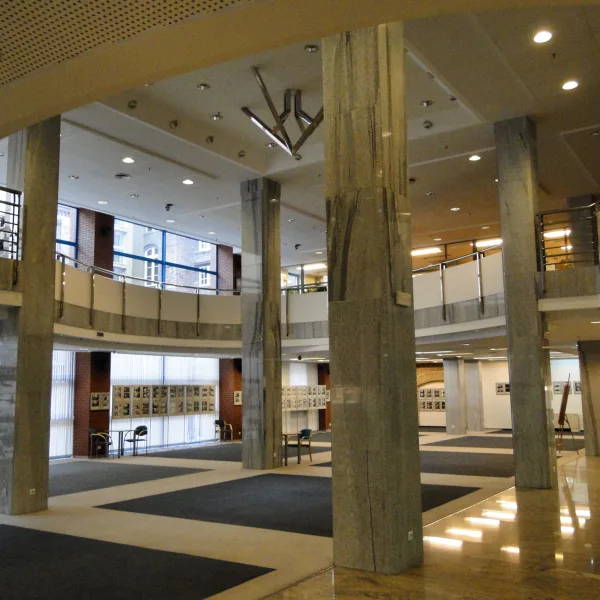
In the Old Town, add the Domki Profesorskie w Szczecinie (Professors' Houses) on Żołnierza Polskiego Square, a row of houses of former canons and professors with Gothic cellars,. In Centrum, look into the Książnica Pomorska im. Stanisława Staszica w Szczecinie (Pomeranian Library), the largest library in the region and open since 1905. Keep it in mind if you read about Pomerania: it has a reading room on regional studies and digital collections.
In Turzyn stands the Gmach Wydziału Elektrycznego ZUT w Szczecinie, an Art Nouveau building from 1901, a former school of mechanical engineering. For a break from the centre, Dąbie is a good direction: the lake of the same name has sailing harbours, and a walk along the water needs no plan at all.
Frequently asked questions
Is it safe to sightsee alone in Szczecin?
Yes, most places on this list are public buildings, squares and terraces in the very centre. A walk around the Old Town, Chrobry Embankment and Grunwald Square works well alone. For longer trips into the forest, carry a charged phone and plan your return before dusk.
Where can a solo traveller shelter from rain in Szczecin?
Head for a museum: the Muzeum Narodowe w Szczecinie, the technology museum or the underground exhibitions all work. Around a dozen entries here are marked as suitable for wet weather, among them churches and buildings with interiors worth seeing.
Where to start a first solo day in Szczecin?
Begin on the riverside terrace and at the castle, then continue through the Old Town past the Maiden Tower to the Old Town Hall. It is a compact area where you need no public transport, and there are several places for a short break on the way.
Where to go alone in Szczecin for views?
To Chrobry Embankment, to the Ducal Castle with its viewing tower, and to Academic Hill in Zdroje. Lake Dąbie gives a wide view over water, while Quistorp Tower in the Lasek Arkoński is a ruin and a forest corner.
Can you enter all of these places on your own?
Not always: some buildings are today the seats of institutions, such as the Academy of Art, a music school or the State Archive, so you often view them from outside. Museums, churches and viewpoints are easier to visit inside, but check the rules of entry before you go.

 Historic sites