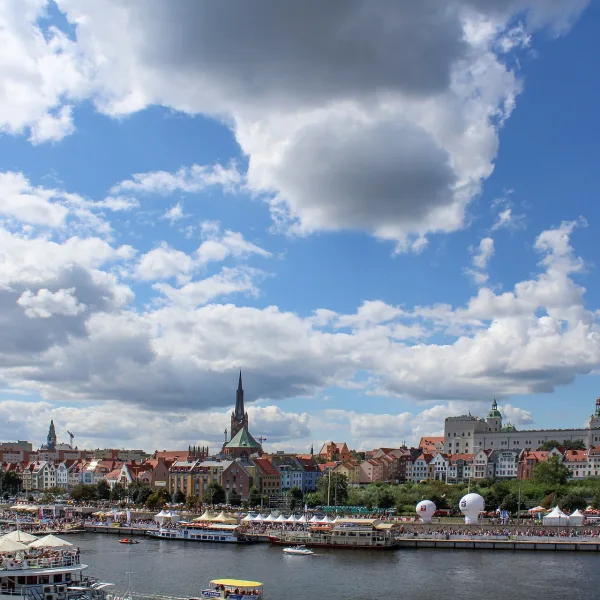
What to see in Szczecin's Old Town: the Castle of the Pomeranian Dukes, Wały Chrobrego, the archcathedral and dozens of monuments in one district.
The Old Town is the historic core of Szczecin on the Oder, and a place where a whole day can be spent on foot. The castle, churches, palaces, squares and museums are concentrated here, along with a few small monuments and memorial sites. The district splits easily into a few routes, from the terrace above the Oder to the market squares.
Where should you start sightseeing in Szczecin's Old Town?
The simplest start is Wały Chrobrego (Chrobry Embankment) and the Castle of the Pomeranian Dukes, the two strongest points of the district, a short walk apart. The rest of the day is then arranged around them: squares and palaces to the west, churches and market squares to the north.
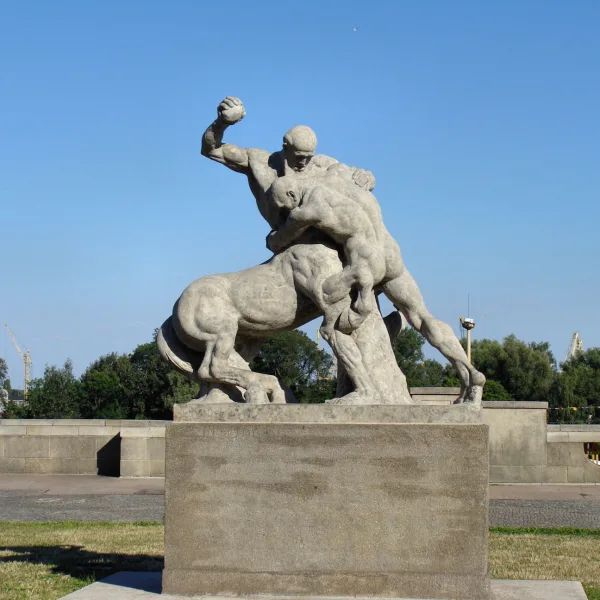
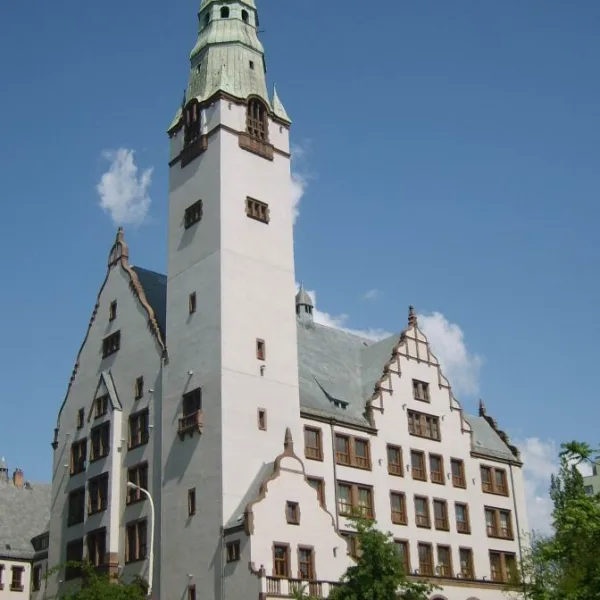
Wały Chrobrego is a terrace on the Oder escarpment stretching for about half a kilometre. It took shape between 1902 and 1921, alongside the museum, the voivodeship office and the maritime university. On the terrace stands Herkules walczący z centaurem (Hercules fighting the centaur), a sandstone group made by Ludwig Manzel in 1916 that can be seen without a ticket. Next to it rises Budynek Urzędu Wojewódzkiego w Szczecinie (the Voivodeship Office building), three joined buildings from 1906-1911 with a tower rising 72 metres.
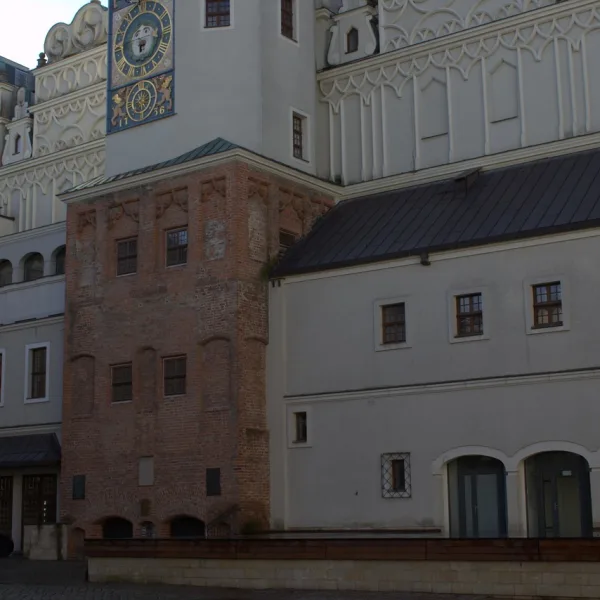
From the terrace to the castle is not far. Zamek Książąt Pomorskich w Szczecinie (the Castle of the Pomeranian Dukes) at ul. Korsarzy 34 is the Renaissance seat of the Griffin dynasty, rebuilt after the war, with a ducal crypt, a viewing tower and cultural institutions. At its foot, at ul. Panieńska 47, stands Baszta Panieńska (the Maiden Tower), a Gothic tower from the 14th century reconstructed in 1964 and also called the Tower of Seven Cloaks.
Which monuments should you see around the castle?
Around the castle there are several sites that combine easily into one walk: the ducal stable, the monument to the ducal couple and the Maiden Tower. All lie close to each other.
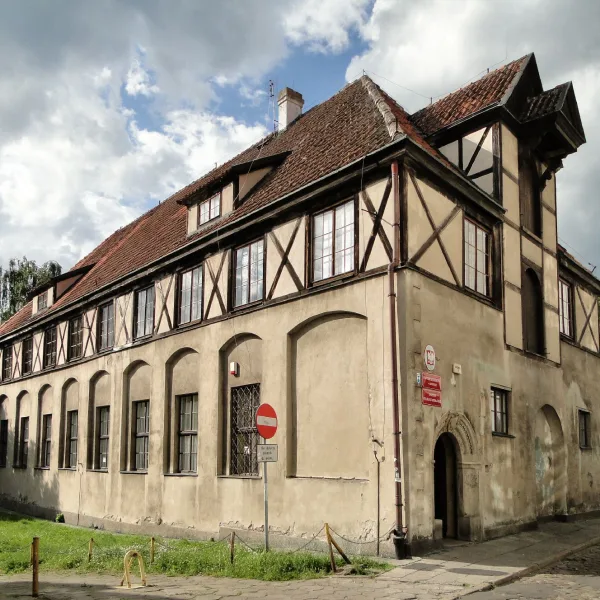
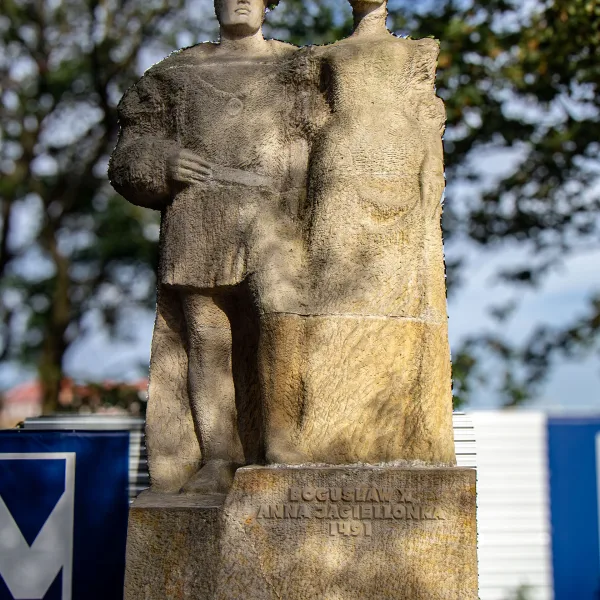
Stajnia książęca w Szczecinie (the ducal stable) at ul. Rycerska 3 is a half-timbered building from around 1600, with a Renaissance portal and an old crane. At the north-western corner of the castle, next to the Bell Tower, stands Pomnik księcia Bogusława X i jego żony królewny Anny Jagiellonki w Szczecinie (the monument to Duke Bogusław X and Princess Anna Jagiellon), made by Leonia Chmielnik and Anna Paszkiewicz in 1974.
The Baroque side of the district is shown by Brama Królewska w Szczecinie (the King's Gate) on Plac Hołdu Pruskiego. It was built in 1725-1728, and its gables are decorated with sculptures of Mars and Hercules by Bartholomé Damart. It is one of the city gates of the former Prussian fortress.
Which squares and palaces are worth seeing?
The densest cluster of palaces is around Plac Orła Białego and Plac Żołnierza Polskiego. These addresses lie close together, so you can walk them on foot, going inside only where museums are housed.
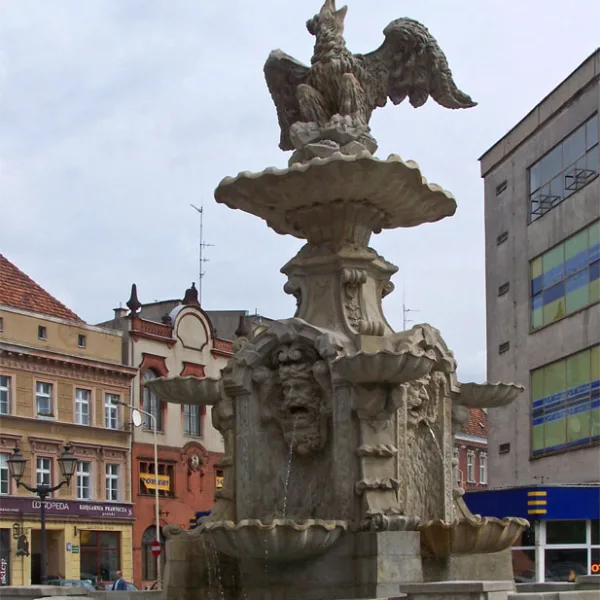
Plac Orła Białego w Szczecinie (White Eagle Square) is the former Horse Market, in German Roßmarkt, with a fountain from 1732. The fountain has its own entry, Fontanna Orła Białego w Szczecinie: the city's oldest preserved Baroque fountain, built in 1729-1732 to a design by Johann Friedrich Grael. The square also has Posąg Flory w Szczecinie (the statue of Flora), a Baroque sandstone sculpture standing there since 1991.
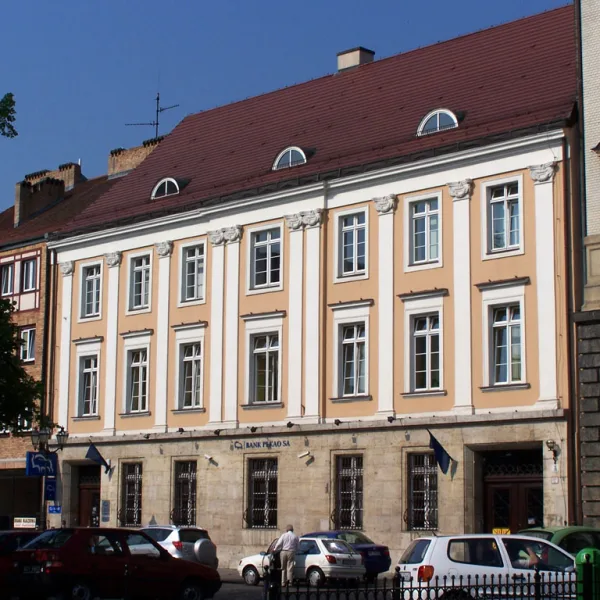
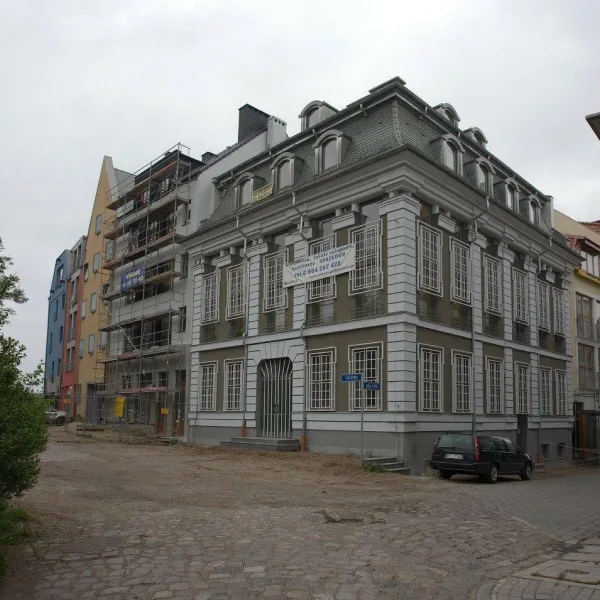
The buildings around the square are Pałac Pod Globusem w Szczecinie (the Palace under the Globe) from 1890-1891, a neo-Baroque building with a globe on top, and Pałac Joński w Szczecinie with a Neoclassical facade, since 2021 in the hands of the Academy of Art. Around the corner, at ul. Staromłyńska 13, stands Pałac Velthusena from 1778-1779, a former winery and piano factory and, since 1963, a music school.
Plac Żołnierza Polskiego and ul. Staromłyńska
Further north are buildings you can enter. Pałac pod Głowami w Szczecinie (the Palace under the Heads) at Plac Żołnierza Polskiego 2 is a Neoclassical building from the end of the 18th century, the former fortress command, now home to the Museum of Contemporary Art and the Klub 13 Muz. At ul. Staromłyńska 27 stands Pałac Sejmu Stanów Pomorskich, a Baroque building from 1726-1729, today a branch of the National Museum.
Between them survive the Domki Profesorskie w Szczecinie (Professors' Houses), a row of townhouses at Plac Żołnierza Polskiego 6-11, former homes of canons and professors of the Pedagogium, with Gothic cellars.
Where are the churches of the Old Town?
The Old Town has four places of worship, including an Orthodox church, and three of them are Gothic brick buildings. It is worth visiting them one at a time, because each has a different character and history.
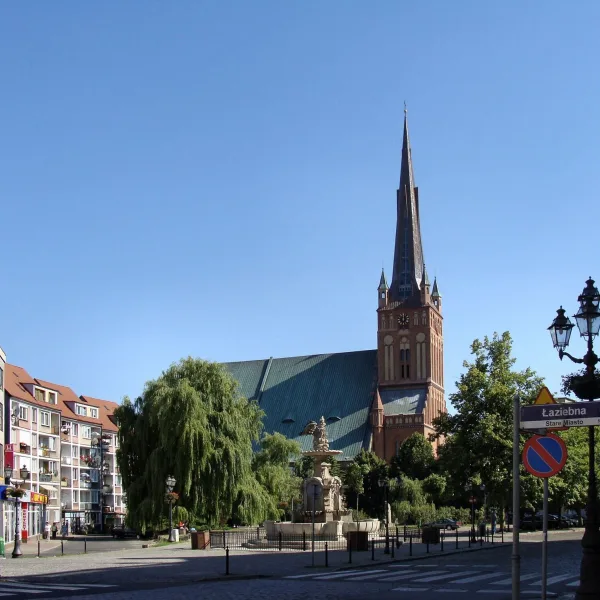
Bazylika Archikatedralna św. Jakuba Apostoła w Szczecinie (the Archcathedral Basilica of St James) at ul. św. Jakuba 5 is the city's main church and that of the archdiocese, a Gothic brick hall with a tower whose spire is 110.18 metres high and has viewing points inside. Smaller is Kościół św. Piotra i św. Pawła w Szczecinie (the Church of St Peter and St Paul) on Plac Świętych Piotra i Pawła, a Gothic church with a painted ceiling from 1703, part of the European Route of Brick Gothic.
Kościół św. Jana Ewangelisty w Szczecinie (the Church of St John the Evangelist) at ul. Świętego Ducha 9 is the only surviving part of the former Franciscan monastery, with polychromes from the 15th and 16th centuries. A different character belongs to Cerkiew św. Mikołaja w Szczecinie (the Orthodox Church of St Nicholas), an Orthodox co-cathedral from 2011 in the Byzantine style, built on a Greek cross plan. The full list is at Churches and monasteries: Old Town.
Which museums are in the Old Town?
Most museums here belong to one institution, the National Museum in Szczecin, which has several branches in the district and is the largest cultural institution in the voivodeship. It is the best choice for a rainy day, because everything is indoors and close together.
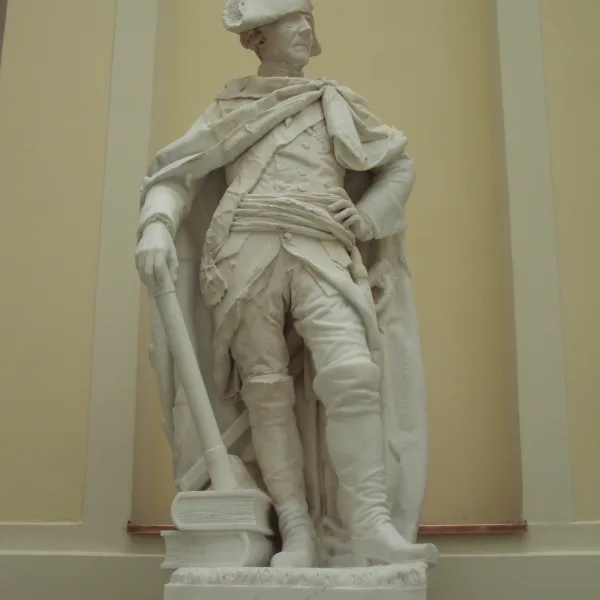
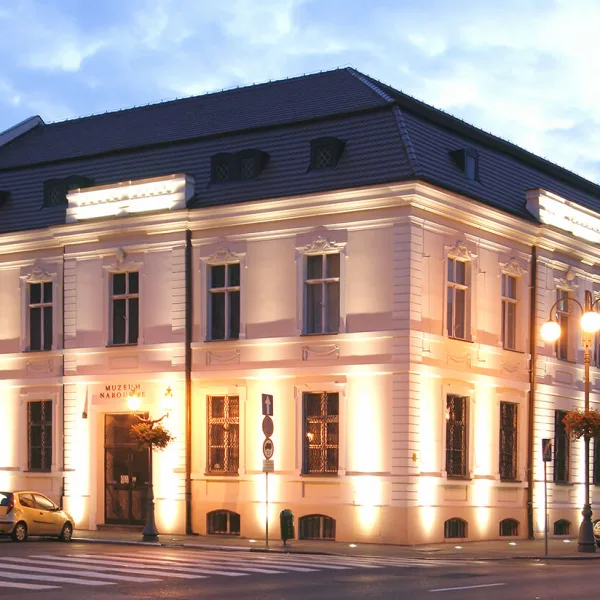
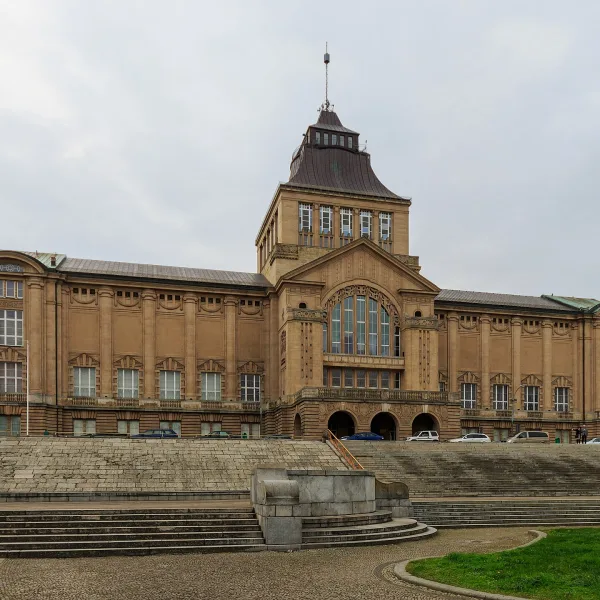
Muzeum Narodowe w Szczecinie at Wały Chrobrego 3 has a main building from 1908-1913 designed by Wilhelm Meyer-Schwartau, shaped like the letter E and described in its own entry, Gmach Główny Muzeum Narodowego w Szczecinie. In the courtyard stands Pomnik Fryderyka II Wielkiego w Szczecinie (the monument to Frederick II the Great), a marble sculpture from 1793 to a design by Schadow, moved here in 2015.
Other branches are Muzeum Sztuki Współczesnej (the Museum of Contemporary Art) at ul. Staromłyńska 1, with temporary exhibitions, and Muzeum Centrum Dialogu Przełomy at Plac Solidarności 1. The underground exhibition tells the postwar story of Szczecin and the region, and the building itself was named World Building of the Year in 2016. In Ratusz Staromiejski w Szczecinie (the Old Town Hall) at ul. Księcia Mściwoja II 8, a Gothic hall from the 15th century that was rebuilt in 1972-1975, the Museum of the History of Szczecin is housed. All museums are on Museums: Old Town.
Where are the market squares and atmospheric lanes?
For an aimless walk the squares and lanes around Rynek Sienny are best. They are small spaces rebuilt after the war that suit a stroll for two.
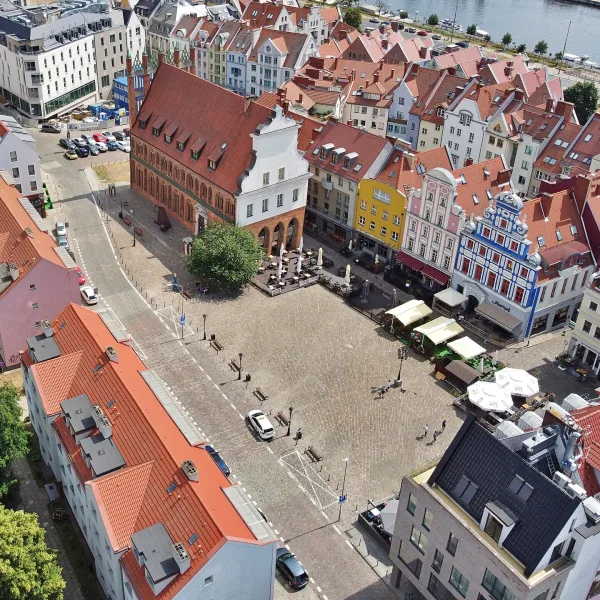
Rynek Sienny w Szczecinie (the Hay Market) is a cobbled square, the former Heumarkt, with the Old Town Hall and townhouses partly rebuilt in the 1990s. To the north-east lies Rynek Nowy w Szczecinie (the New Market), a square created after the fire of the Church of St Nicholas, with a rebuilt frontage and exposed foundations of townhouses; eight streets meet there. A short lane between them is Targ Rybny w Szczecinie (the Fish Market), a 49-metre street of medieval origin paved with granite setts.
Even quieter is Plac Mariacki w Szczecinie, a small square on the site of the demolished St Mary's church, next to the birthplace of the future Catherine II. For completeness: Kamienica Loitzów at ul. Kurkowa 1 is a late Gothic townhouse from 1539-1547, the former home of the Loitz banking family, now an art school, and Gmach rektoratu Pomorskiego Uniwersytetu Medycznego (dawny Nowy Ratusz) at ul. Rybacka 1 is a neo-Renaissance building from 1900-1902.
What can you see for free and where can you rest?
There are several free places here: a park plus monuments and sculptures. That is a good option for a walk without tickets and for people who prefer to see monuments from outside.
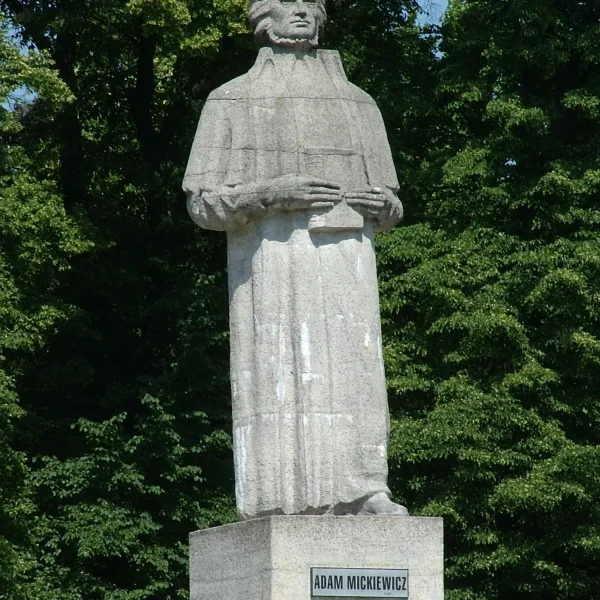
Park im. Stefana Żeromskiego w Szczecinie is a dendrological park of about 22 hectares on the site of former cemeteries, with sculptures and a collection of 177 tree species. By area it ranks second among the city parks of Szczecin. By the park stands Pomnik Adama Mickiewicza w Szczecinie (the Adam Mickiewicz monument), by Sławomir Lewiński, unveiled in 1960. The remaining free points are the sculptures described above: Hercules on Wały Chrobrego, the statue of Flora, the monument to Frederick II and the monument to the ducal couple by the castle.
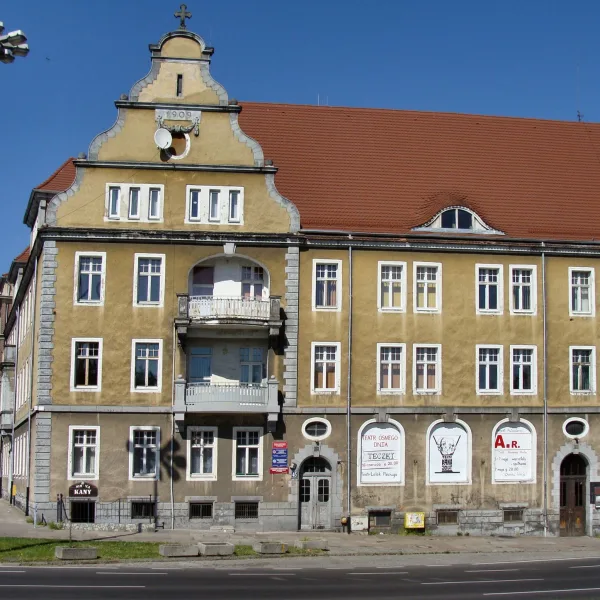
Anyone who prefers to read in the cool can visit Książnica Pomorska im. Stanisława Staszica w Szczecinie (the Pomeranian Library) at ul. Podgórna 15/16, the largest library in West Pomerania, active since 1905, with a reading room on Pomeranian studies and a digital library. On a rainy day the theatres also work: Kana (teatr), an alternative theatre from 1979 based in a townhouse on Plac Piotra i Pawła and with an Edinburgh award, and Teatr Współczesny in the National Museum building. The full list of theatres is at Theatres and opera: Old Town, and monuments are gathered in Monuments: Old Town.
Which memorial sites are in the Old Town?
There are two memorial sites in the Old Town. They are described separately from the monuments, in plain terms.
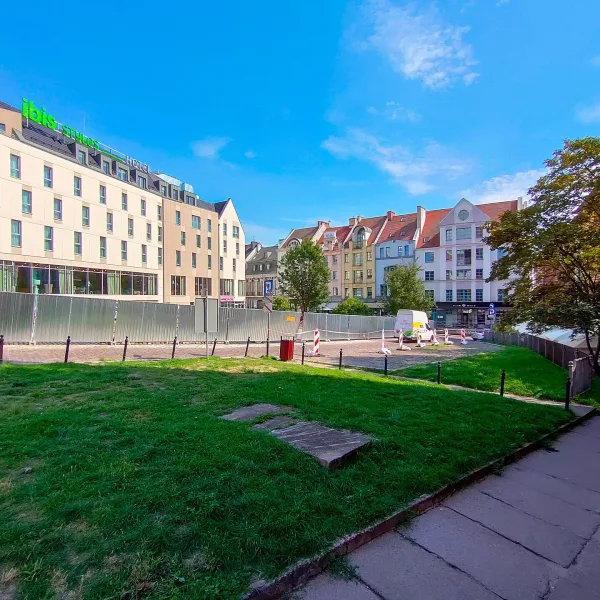
Nowa Synagoga w Szczecinie (the New Synagogue) no longer exists. It stood at Grüne Schanze, today a plot at ul. Dworcowa 9a, and the building raised in 1873-1875 burned down in the early hours of 10 November 1938. The spot is marked by a plaque at the Książnica Pomorska building. On Plac Solidarności stands Pomnik Ofiar Grudnia 1970 (the Monument to the Victims of December 1970), unveiled in 2005 and popularly called the Angel of Freedom, dedicated to the people who died in Szczecin in December 1970. It stands next to the Muzeum Centrum Dialogu Przełomy.
Frequently asked questions
What can you see in Szczecin's Old Town in one day?
Start with Wały Chrobrego and the Castle of the Pomeranian Dukes, then move to Plac Orła Białego with its palaces, and finish with the churches and Rynek Sienny. Leave the museums for rain or a second day.
What is free in the Old Town?
Free places include Park im. Stefana Żeromskiego, Herkules walczący z centaurem, the statue of Flora, the monument to Frederick II, the Mickiewicz monument and the monument to Duke Bogusław X and his wife.
What can you do in the Old Town when it rains?
Choose the museums: the National Museum, the Museum of Contemporary Art and the Muzeum Centrum Dialogu Przełomy. The Książnica Pomorska and the Kana and Współczesny theatres are also indoors.
Which places suit a walk for two?
Rynek Sienny, Rynek Nowy, Plac Mariacki, Targ Rybny, Plac Orła Białego and the Orła Białego fountain carry the couples tag.
Where is the cathedral in Szczecin?
The Archcathedral of St James stands at ul. św. Jakuba 5 in the Old Town. Its tower has a spire 110.18 metres high, with viewing points inside.

 Historic sites