Cemeteries and monuments in Szczecin: bench statues, sculptures on Chrobry Embankment, monuments to notable figures and a former cemetery with a lapidarium.
Most of these places are free to see and need no planning, because they stand on squares, greens and streets. They include sculptures from the early 20th century, monuments from the communist period and the newest bench statues, so you can see how the commemoration of people and events in the city has changed.
Which monuments in Szczecin should you see first?
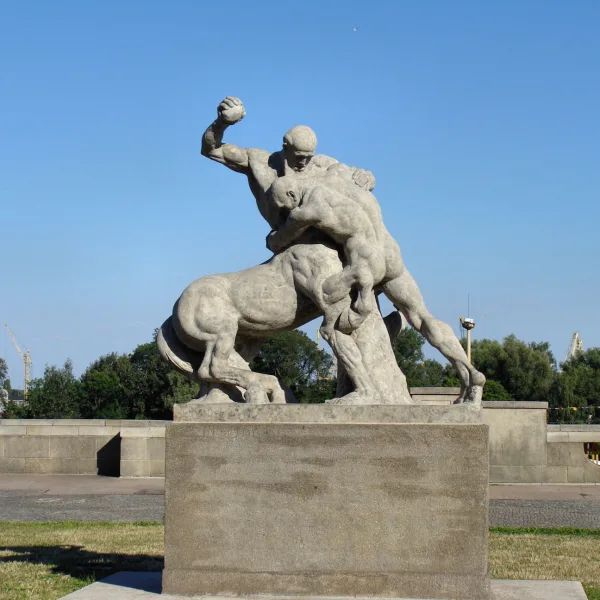
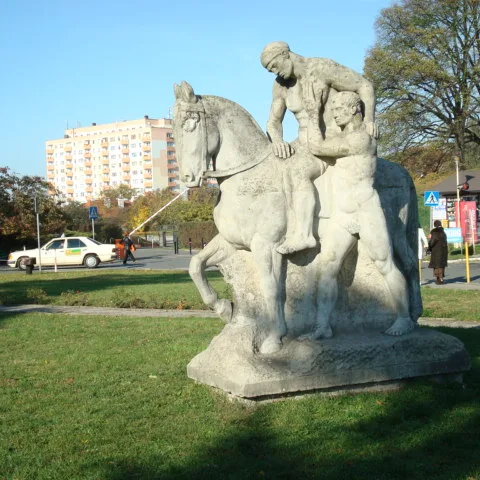
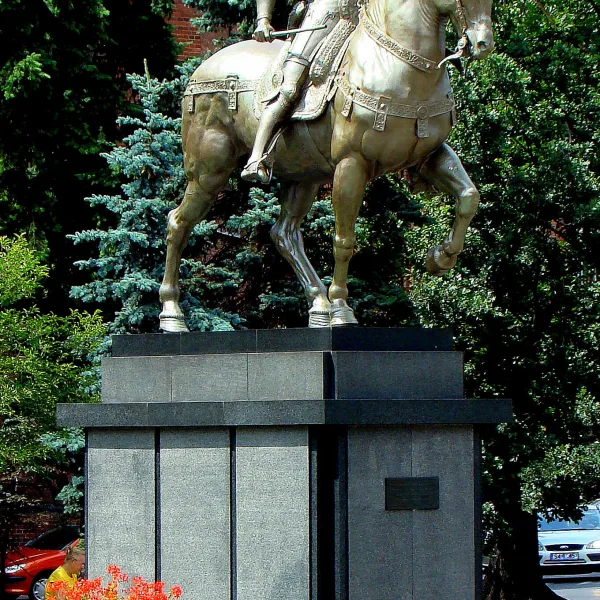
Start with the sculpture of Hercules Fighting the Centaur on the terrace of Chrobry Embankment, then move on to Lotników Square, where the Bartolomeo Colleoni Monument stands. Both places lie in the city centre and show quite different faces of Szczecin sculpture.
The Hercules sculpture is a work in sandstone by Ludwig Manzel from 1916. The Colleoni monument is a historic copy of the Venetian monument to the condottiere, made in 1909 and placed on Lotników Square after its return from Warsaw.
What monuments stand in the Old Town?
In the Old Town you will find several monuments tied to former rulers and the history of the place: Frederick II, Duke Bogislaw X with his wife, Flora and Adam Mickiewicz. Together they make an easy single walk.
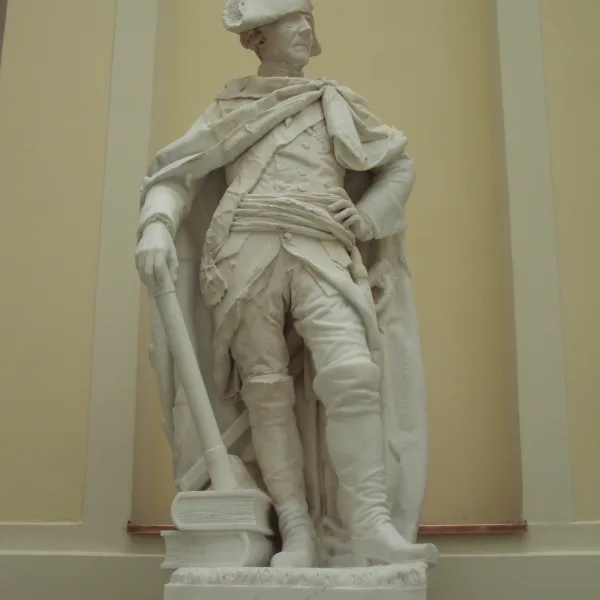
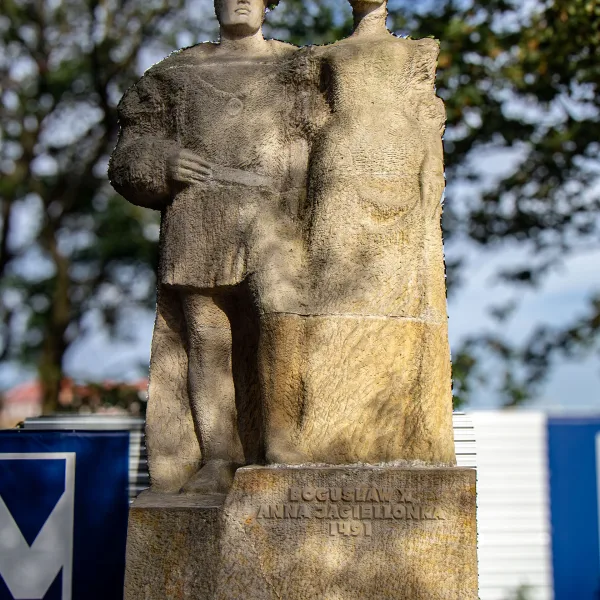
The Monument to Frederick II the Great is a marble sculpture of 1793 to a design by Schadow. It no longer stands in its original place and since 2015 has been on show in the yard of the National Museum at Staromłyńska. At the north-western corner of the Ducal Castle, beside the Bell Tower, you will find the monument to Duke Bogislaw X and his wife Anna Jagiellon of 1974, the work of Leonia Chmielnik and Anna Paszkiewicz.
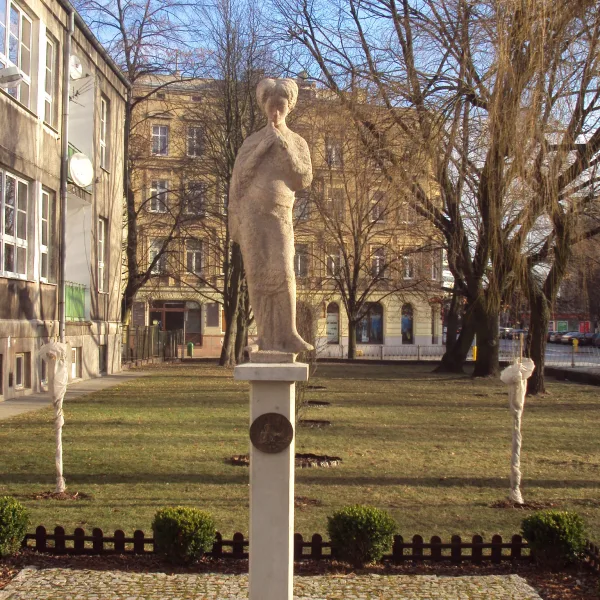
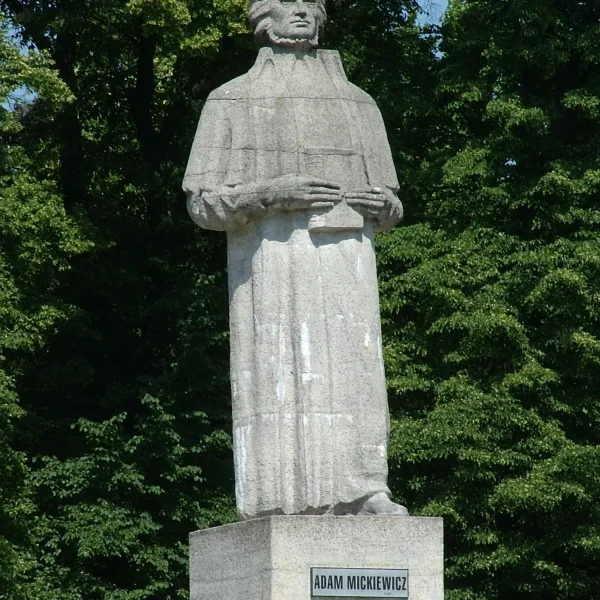
On White Eagle Square stands the Statue of Flora, a Baroque group of figures in Saxon sandstone: the Roman goddess of abundance and spring holding a flower basket and flanked by two putti. Earlier it crowned the attic of the Grumbkow palace, and it was set up on the square in 1991. The Adam Mickiewicz Monument on Plac Mickiewicza near Stefan Żeromski Park is the work of Sławomir Lewiński, unveiled on 3 May 1960.
Where to see bench statues and monuments to notable people in Szczecin
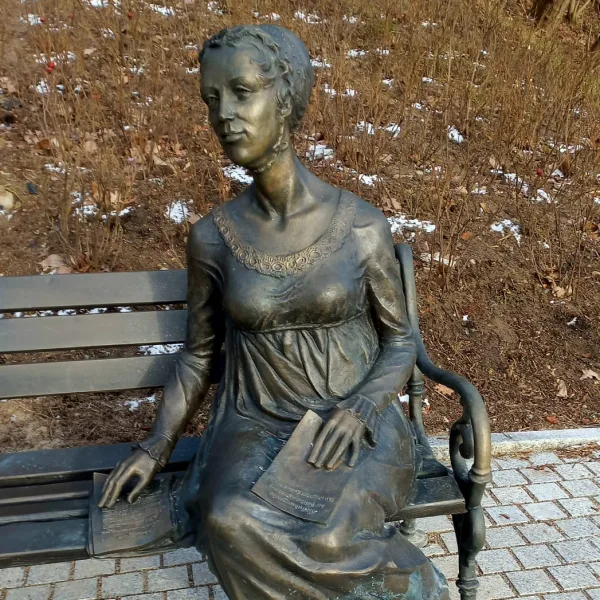
Bench statues with bronze figures stand in several districts, from Turzyn to Głębokie-Pilchowo. They are the newest layer of Szczecin's monuments: they date from after 2012 and bring local history closer.
Bench statues
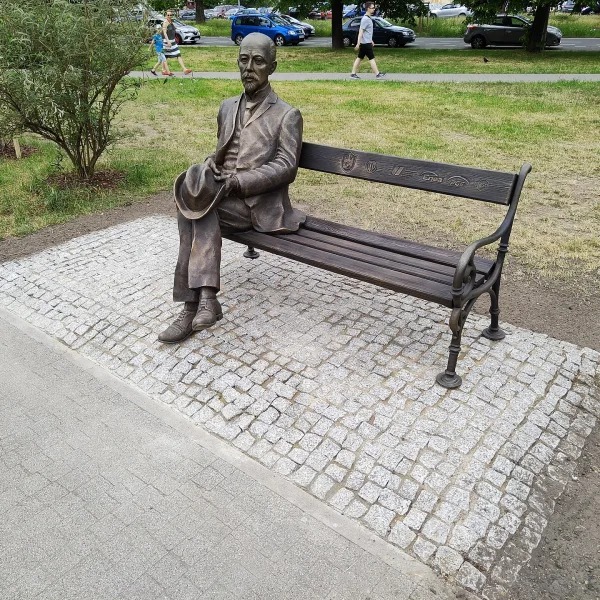
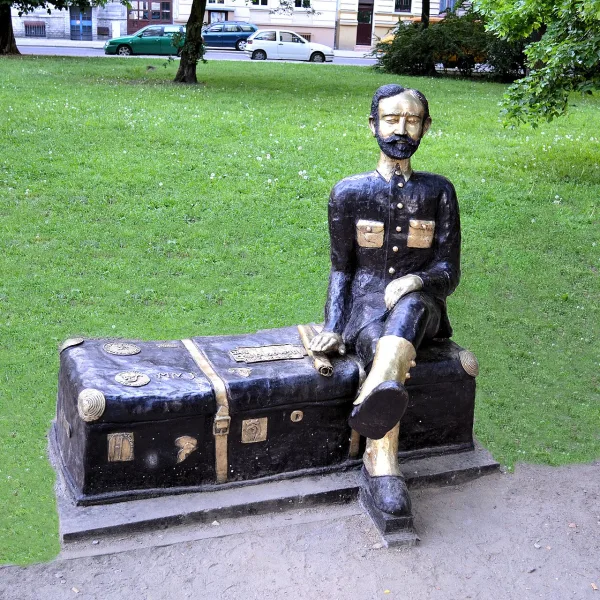
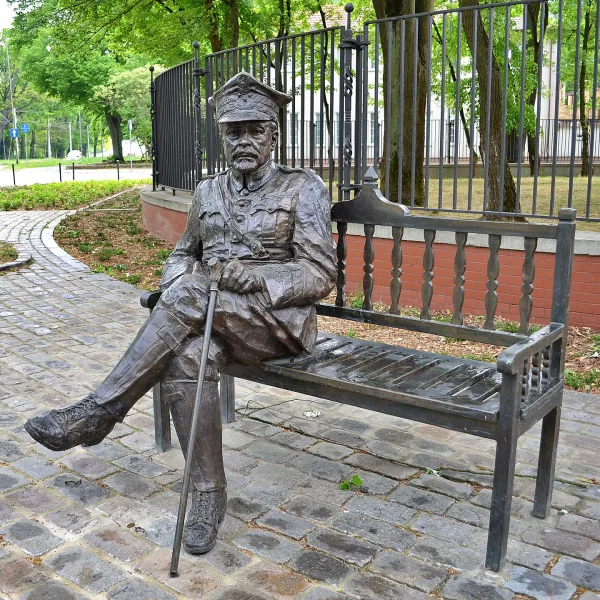
The Michał Doliwo-Dobrowolski Bench in Turzyn, unveiled on 10 June 2022, is according to Wikipedia the first monument in the world to the man who invented the three-phase induction motor. The Józef Haller Bench stands on Hallerczyków Square in front of the barracks of the 12th Mechanised Brigade and was unveiled in 2021. The Jan Czekanowski Monument of 2012 in General Anders Park shows the anthropologist sitting on a travelling trunk, dressed as travellers in Africa were.
At the edge of a park, at the crossing of ulica Robotnicza and ulica Dębogórska, stands the Sophie Caroline Auguste Tilebein Bench, honouring a German artist and benefactor who supported poor girls, funded from the citizens' budget.
Monuments on Jasne Błonia and in the centre
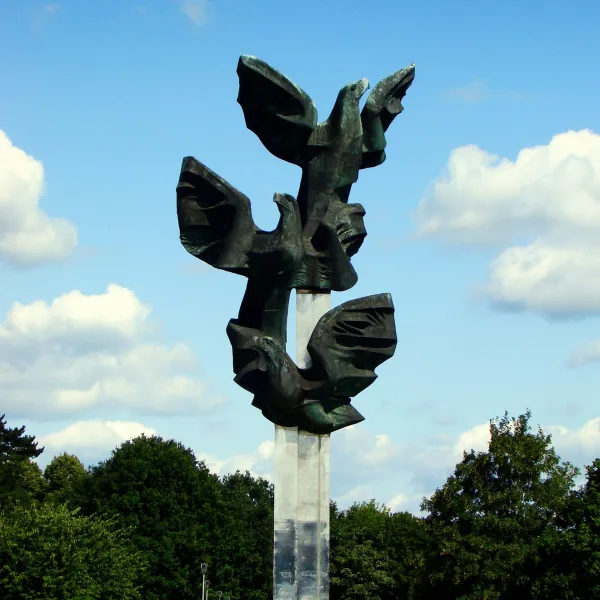
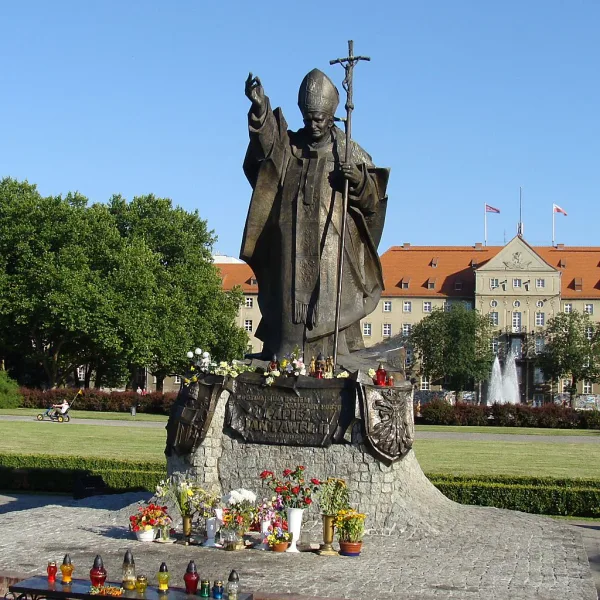
In Kasprowicz Park stands the Monument to Polish Achievement, a column of stainless steel rising about 22.5 metres and topped with three bronze eagles, designed by Gustaw Zemła and unveiled on 3 September 1979. Opposite stands the Monument to John Paul II of 1995, which commemorates the Mass celebrated on Jasne Błonia on 11 June 1987.
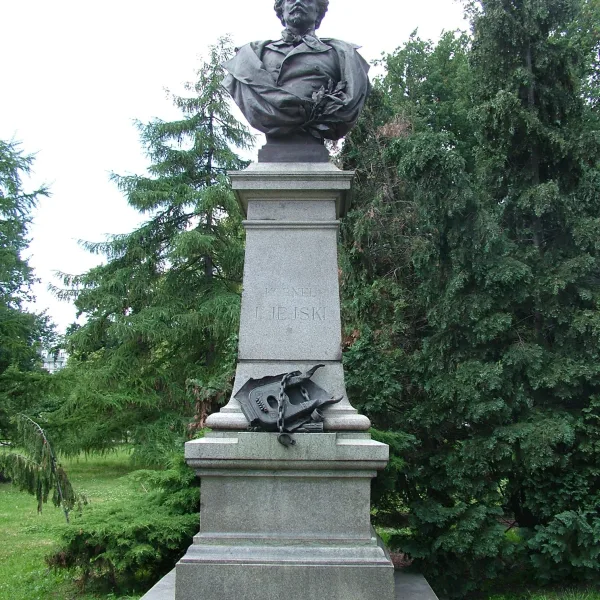
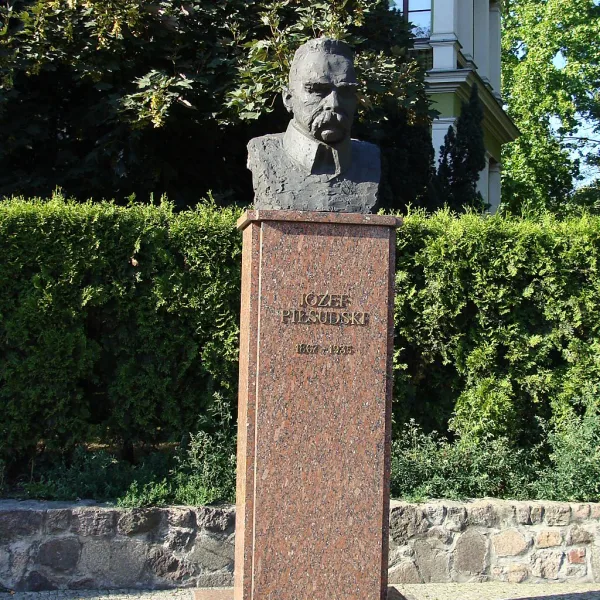
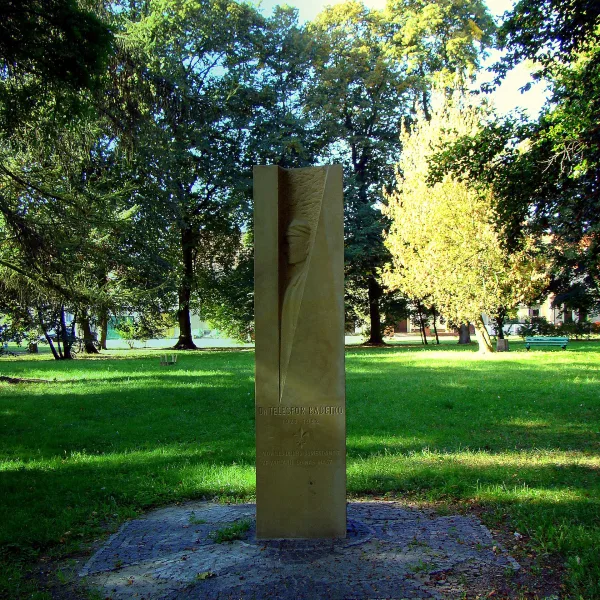
On Szarych Szeregów Square stands the monument to Marshal Józef Piłsudski, a bronze bust on a tall plinth, unveiled in 2000. Between the Port Gate and Plac Zwycięstwa stands the Kornel Ujejski Monument, a bronze bust of the poet from 1901 that travelled from Lviv to Szczecin in 1956. On a green by Aleja Wojska Polskiego stands the Telesfor Badetko Monument, a sandstone obelisk of 1999 honouring a scout commander.
Which city sculptures and monuments in Szczecin are the most surprising?
They include monuments to professions, the hero of a children's book and a tin of fish paste. These are monuments that explain the city through its everyday life rather than through rulers and battles.
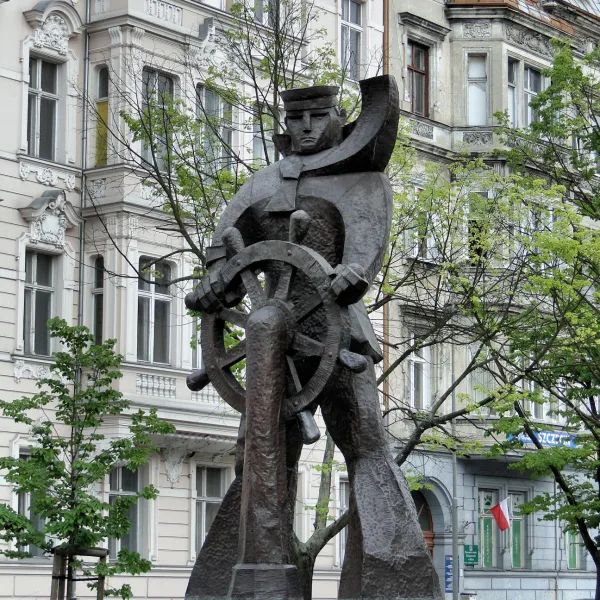
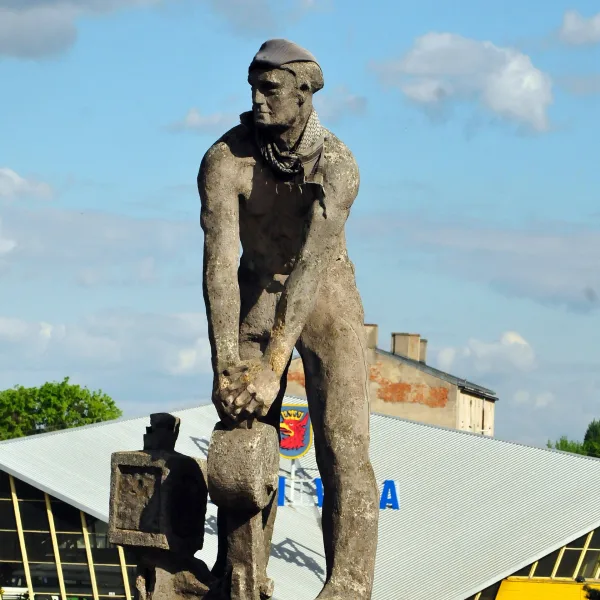
The Sailor Monument by Plac Grunwaldzki, on the axis of Aleja Jana Pawła II, shows a helmsman at the wheel, sculpted in sheet copper by Ryszard Chachulski in 1980. The same author made the Railwayman Monument of 1964 in front of Szczecin Główny station, with a half-naked figure at a set of points. The King Matt the First Monument on ulica Rayskiego is a pink granite figure of the title character of Janusz Korczak's book, unveiled in 1961 on Children's Day.
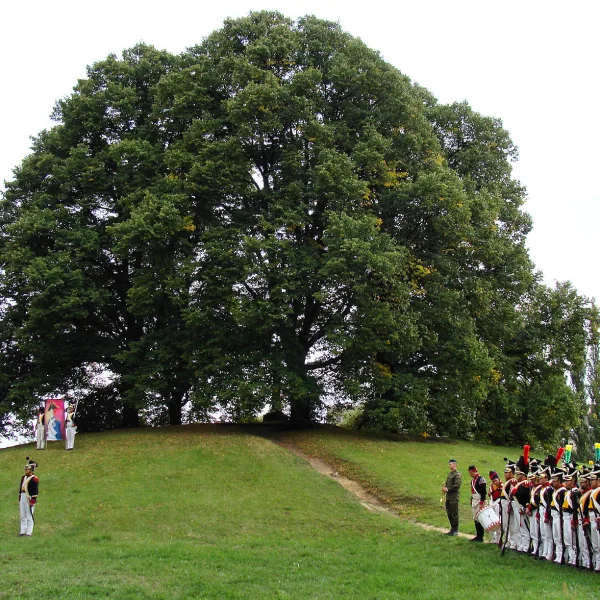
On Plac Gryfitów lies the Szczecin Paprykarz Monument, an installation in the shape of a partly opened tin, unveiled on 2 October 2020. In front of the hospital on ulica Unii Lubelskiej stands the Good Samaritan Monument, a sandstone sculpture by Georg Morin from the late 1930s. Where Pogodno meets the Zawadzkiego-Klonowica estate rises Napoleon Hill, a mound about 8 metres high and about 50 metres across at its base, raised in 1808 in honour of Napoleon I. A Prussian column stands on top.
Which cemeteries in Szczecin can you visit?
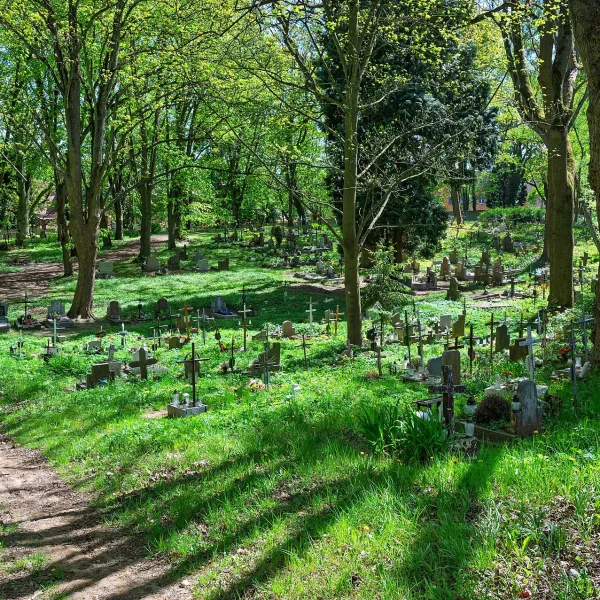
Two former cemeteries are now open like places for a walk: the cemetery on ulica Ostrowska in Żelechowa and the Golęcino Cemetery in Golęcino-Gocław. Visit them with respect, because they are resting places.
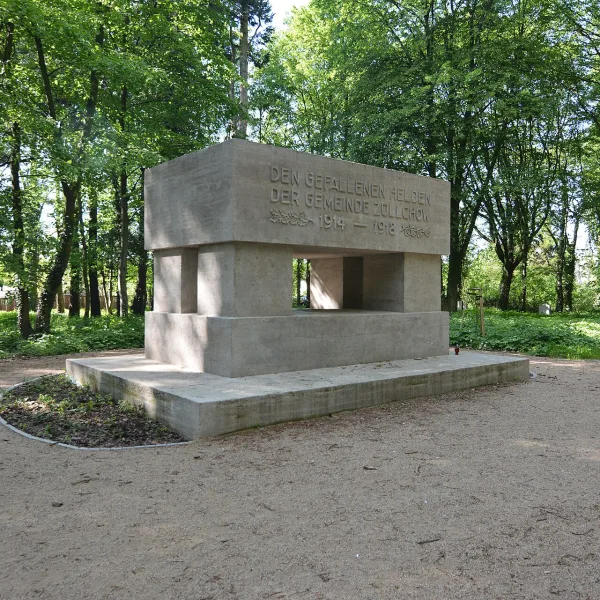
The cemetery at Ostrowska was formerly Protestant and lies on a small hill covering 3.31 hectares, turned in 2016 into a city park with a lapidarium. It is listed in the monuments register and holds a monument to the fallen of 1914-1918. The Golęcino Cemetery is a closed municipal cemetery, established beside the former village of Frauendorf, with three pre-war gravestones. There have been no new burials there since the 1980s.
You can read about the largest necropolis in Szczecin in the article on the Central Cemetery as a park-necropolis modelled on Ohlsdorf, and about war cemeteries in a separate text. The harder chapters of the city's history are collected in the category Places of remembrance: Szczecin.
How to combine monuments with other places in the city
Best by district: Chrobry Embankment and the castle together with the Old Town, Plac Grunwaldzki with the Sailor and Colleoni in the centre, Jasne Błonia with the Monument to Polish Achievement and John Paul II in Łękno and Śródmieście-Północ.
If you also want to see buildings, look at historic sites in Szczecin and churches and monasteries. Green space is in the category Parks and nature: Szczecin, museum interiors in Museums: Szczecin, and quiet corners for walks in Atmospheric places: Szczecin. All the city's sights are gathered on the page about things to do in Szczecin, and monuments and cemeteries from the whole region in the category Cemeteries and monuments.
Frequently asked questions
Are the monuments in Szczecin free to visit?
Almost all of them are. They stand in public space, on squares, greens and in parks, so you see them without a ticket.
Where in Szczecin are the bench statues with bronze figures?
Among other places in Turzyn (Michał Doliwo-Dobrowolski), Głębokie-Pilchowo (Józef Haller), Żelechowa (Sophie Caroline Auguste Tilebein) and General Anders Park (Jan Czekanowski).
Where is the tallest monument in Szczecin?
Among the monuments described here the tallest is the Monument to Polish Achievement in Kasprowicz Park, a stainless-steel column of roughly 22.5 metres.
Which monument in Szczecin comes from the earliest period?
The Monument to Frederick II the Great of 1793, which since 2015 has stood in the National Museum's courtyard. The Baroque Statue of Flora from White Eagle Square belongs to the same era.
Can you visit old cemeteries in Szczecin?
Yes. The cemetery on ulica Ostrowska has been a city park with a lapidarium from 2016, while the Golęcino Cemetery is a closed cemetery with three pre-war gravestones. Calm and respect are expected at both.

 Cemeteries and monuments