Historic sights in Szczecin: the castle of the Griffin dukes, city gates, Chrobry Embankment and dozens of townhouses, palaces and villas.
This selection is for visitors who want to get to know the city through its architecture, from Gothic brick walls to the Art Nouveau buildings of the turn of the 20th century. Most of the buildings stand in the Old Town and the city centre, so walking from one to the next takes hours, not days. Many still work as offices, schools, universities or museums, which means that besides admiring the exterior you can sometimes step inside.
Where to begin with historic sights in Szczecin?
Begin with the Ducal Castle (Zamek Książąt Pomorskich), Chrobry Embankment (Wały Chrobrego), the Royal Gate and the Old Town Hall. They stand close together, on the Oder or just beside it, and between them show the medieval, Renaissance, Baroque and 20th-century faces of the city.
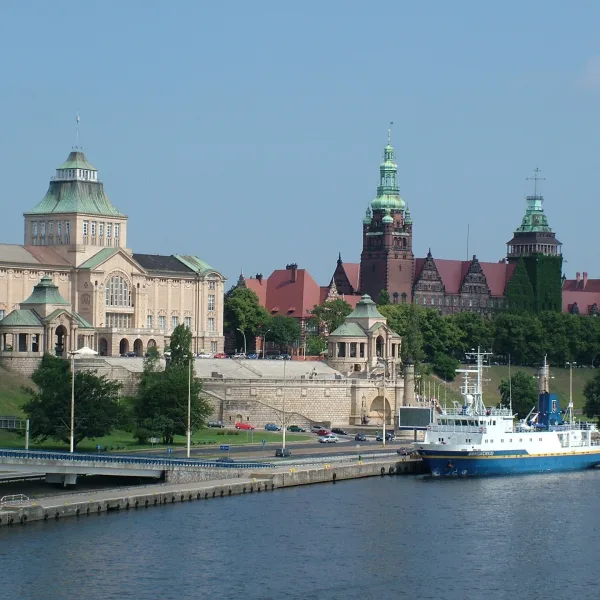
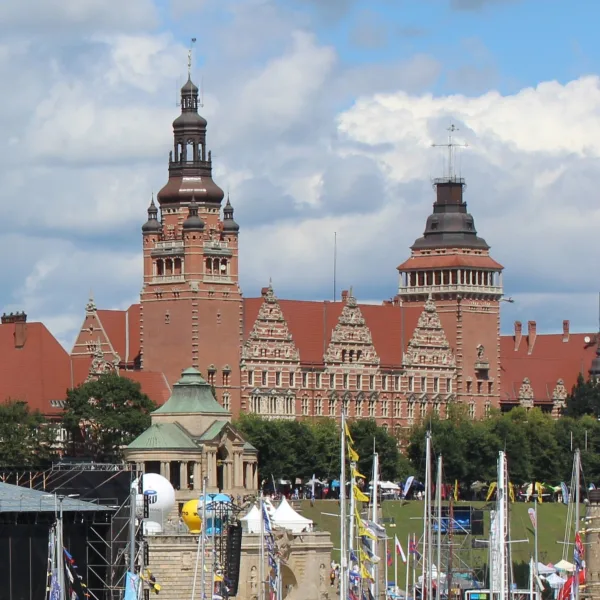
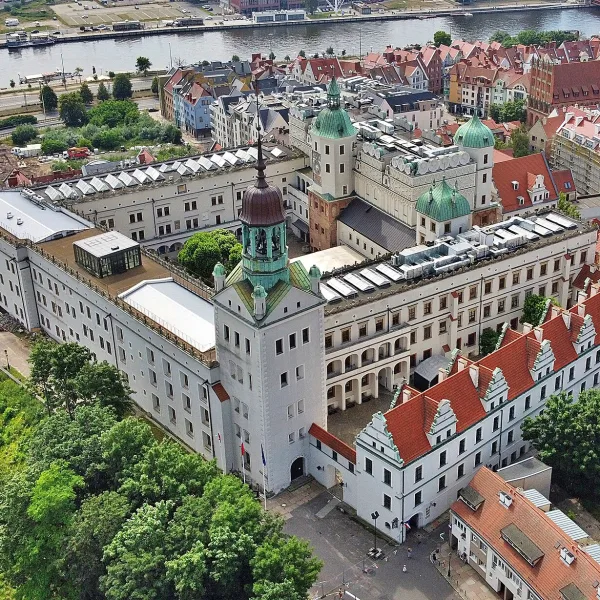
The castle occupies Castle Hill and was the home of the Griffin dynasty, who ruled the Duchy of Pomerania. Inside are the ducal crypt and a tower with a view, and the building is managed by a cultural institution. Chrobry Embankment is a terrace of about 500 metres on the river bank, raised from 1902 to 1921 with a museum, a provincial government building and a naval academy. Seen from the bridges, it forms the city's riverside skyline with the castle and the cathedral.
What to see in the Old Town
The Old Town is the oldest part of Szczecin and the district with the most sights in this category. Wartime losses were severe and most of its historic buildings were gone, yet the most important ones survived, and since the 1990s the area at the foot of the castle has been rebuilt. The district has its own entry: Old Town.
The castle and its surroundings
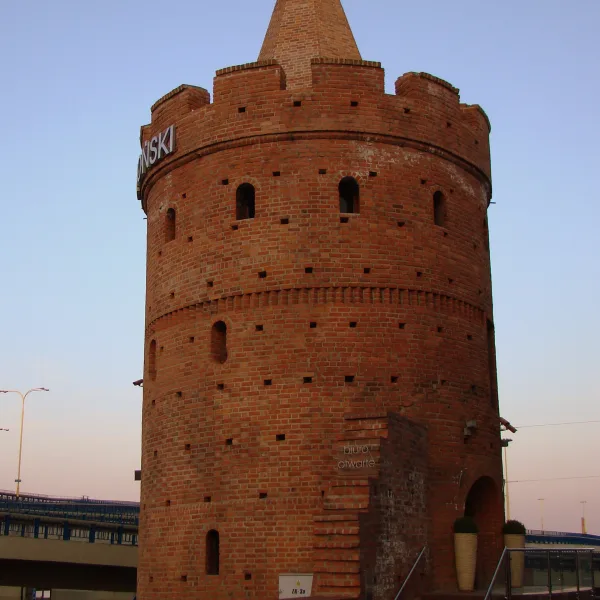
Next to the castle, at Rycerska 3, stands the Ducal Stables: a timber-framed structure dated to around 1600, which kept a Renaissance doorway and an old hoist. Nearby, at Panieńska 47, rises the Maiden Tower (Baszta Panieńska), a 14th-century Gothic tower reconstructed in 1964. It is also known as the Tower of Seven Cloaks.
Town hall, a banker's house and the professors' houses
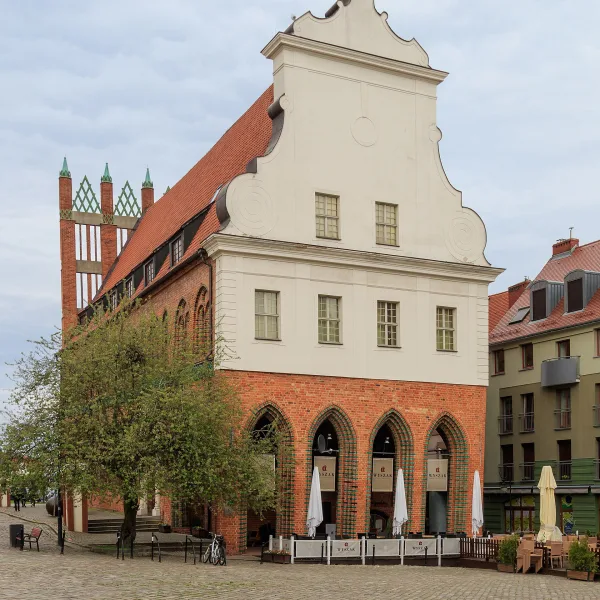
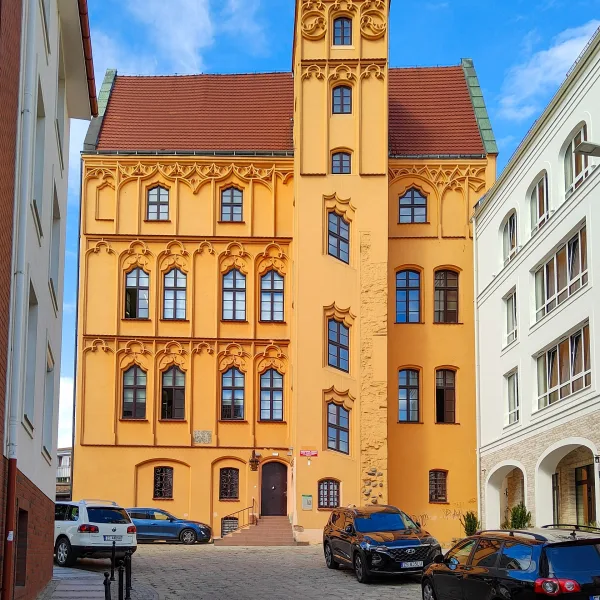
The Old Town Hall is a 15th-century Gothic brick building at Rynek Sienny, rebuilt in 1972-1975, which holds the Museum of the History of Szczecin. At Kurkowa 1 stands Loitz House (Kamienica Loitzów) from 1539-1547, the former home of a banking family and today the seat of an art school. It is one of the few surviving examples of early burgher architecture in the city.
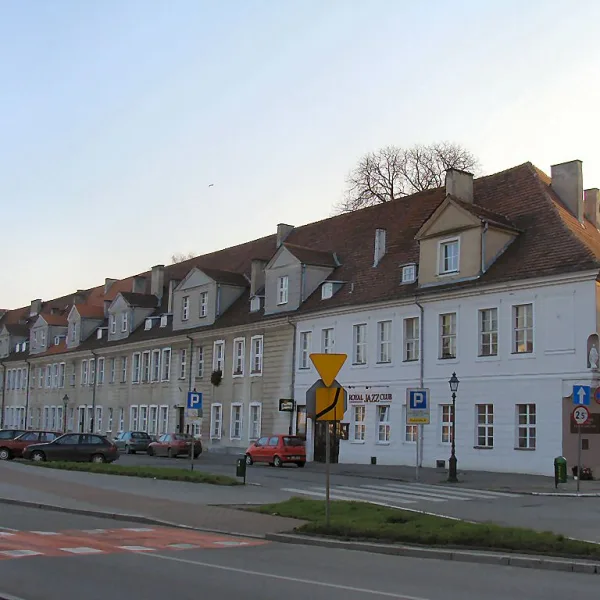
On Plac Żołnierza Polskiego have a look at the Professors' Houses, a row of townhouses that once belonged to canons and to teachers of the Szczecin Pedagogium. They have Gothic cellars. At number 2 stands the Palace under the Heads, a Classicist building from the late 18th century, a former fortress headquarters, which today shelters the Museum of Contemporary Art.
Palaces around Plac Orła Białego and Staromłyńska
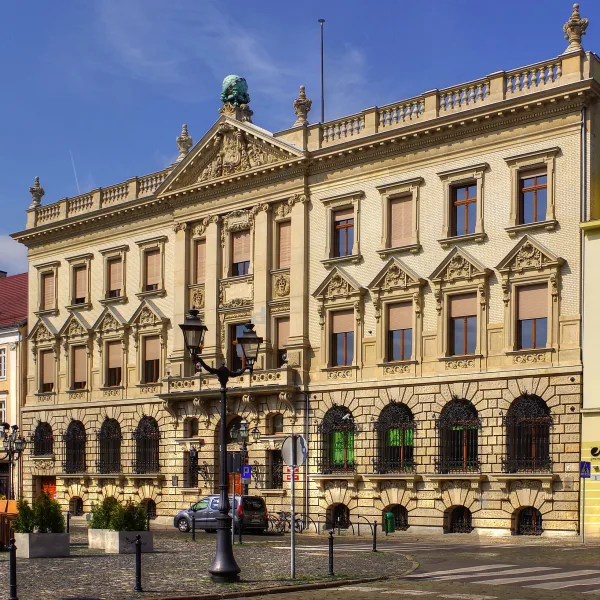
Several palaces around Plac Orła Białego and the neighbouring streets can be seen in a single walk. The Palace Under the Globe was raised in 1890-1891 in the Neo-Baroque style and is crowned with a sculpture of the Earth, and next to it stands the Ionic Palace with its Classicist facade. Both belong to the Academy of Art. Close by, where Staromłyńska meets Łaziebna, you will find the Velthusen Palace of 1778-1779, a former wine house and piano factory that has been a music school since 1963.
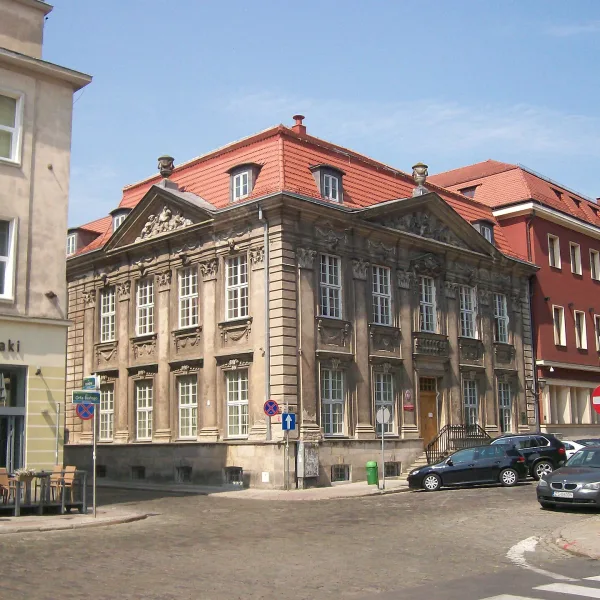
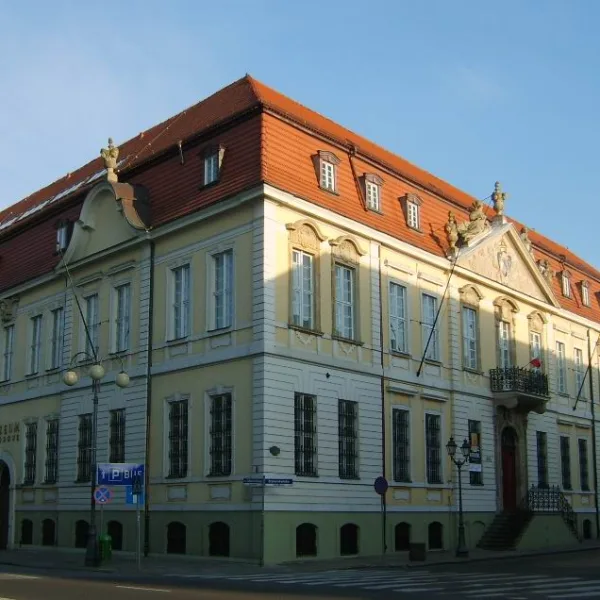
At Staromłyńska 27 stands the Palace of the Pomeranian Estates' Diet, a Baroque building of 1726-1729, also called the House of the Landed Gentry or the Landeshaus. Today it serves as a department of the National Museum in Szczecin. At Rybacka 1 you will see a Neo-Renaissance building of 1900-1902, the former New Town Hall, which houses the rectorate of the Pomeranian Medical University.
Where to see the city gates and fragments of fortifications in Szczecin
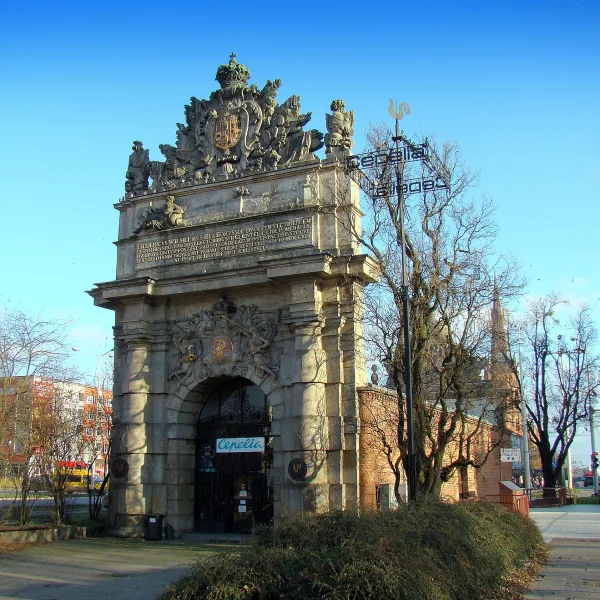
Two Baroque gates survive from the old Prussian fortress, and you can see both within minutes: the Royal Gate on Plac Hołdu Pruskiego and the Port Gate (Brama Portowa) in the New Town. The Maiden Tower fits this group too.
The Royal Gate dates from 1725-1728, and its gables with Mars and Hercules were made by Bartholomé Damart. The Port Gate is the former Berlin Gate, because it led towards Berlin. The attic shows a panorama of the city, and the gate bears the Prussian arms and an inscription in Latin. Putting them on one route shows well what the old defensive system looked like.
Which late 19th and early 20th-century buildings are worth seeing in the centre?
The centre and the neighbouring New Town contain brick and Art Nouveau buildings from the years 1870-1930: post offices, an archive, technical schools, town halls and townhouses. They are best seen one after another along Aleja Niepodległości, Plac Grunwaldzki and ulica Dworcowa.
Aleja Niepodległości and around
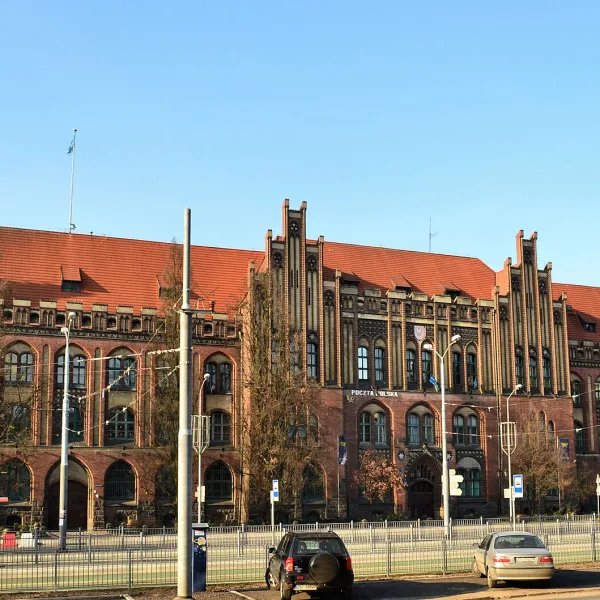
At number 40 stands the Palace of the Pomeranian Landschaft, a Neo-Baroque building of 1893-1895, where the Academy of Art now teaches music. Beside it, on the corner of ulica Bogurodzicy, stands the post office at Niepodległości Avenue 41/42 from 1905, brick and Neo-Gothic, with two monumental portals and rails in the courtyard. At św. Wojciecha 13 the State Archive occupies a brick building opened in 1901, and number 1 is an Art Nouveau townhouse of 1902-1903 with an annexe, courtyard and fountain.
Plac Grunwaldzki and the streets of townhouses
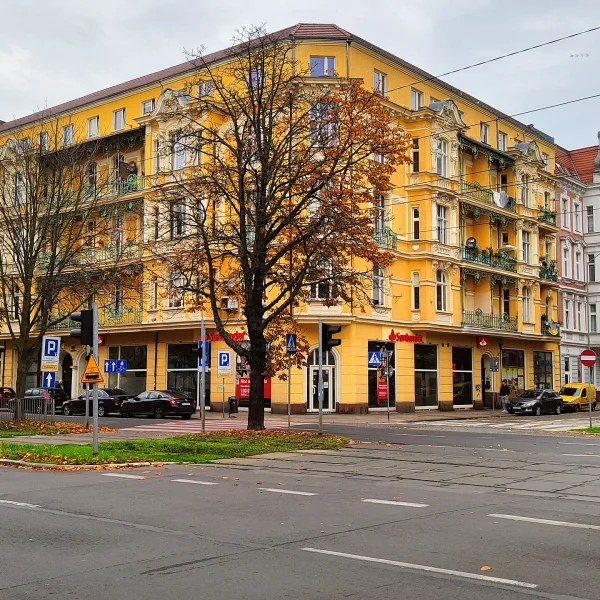
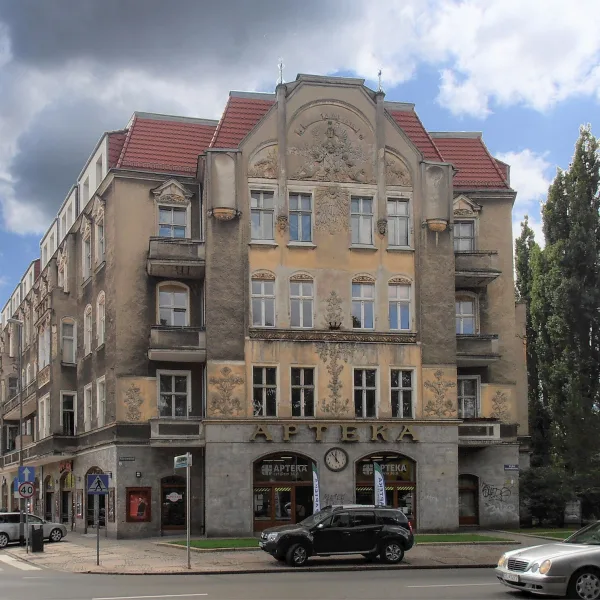
On the corner of Aleja Papieża Jana Pawła II and ulica Śląska stands the August Mintz Townhouse of 1898. It kept a pharmacy from 1900 with the furnishings of its dispensing room. At Śląska 38 you will find the Wilhelm Gramtz Tenement House of 1892-1893, with a putto above the gate and a corner oriel topped with a helmet.
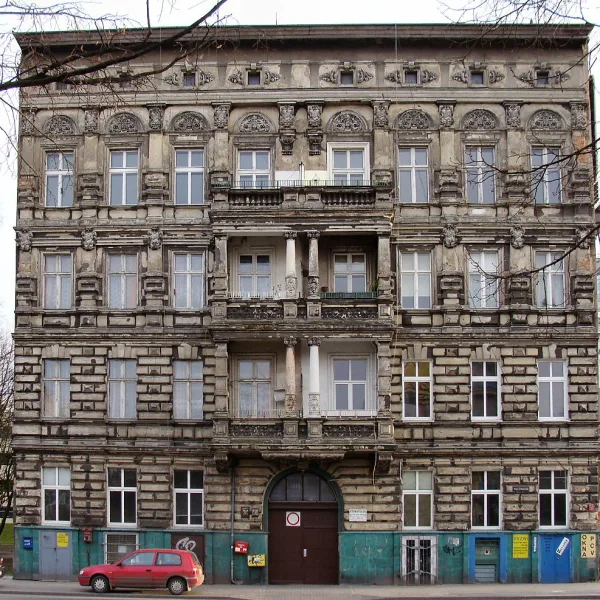
Two smaller addresses are Malczewskiego 34, a U-shaped townhouse of 1885-1888, the single prewar survivor in its block, and Piłsudskiego 7 dated 1897 and designed by Georg Sommenstuhl; on the third floor you can spot sculpted female figures, and the facade has oriels. It is the last surviving building of the eastern frontage of that street.
New Town and Śródmieście-Północ
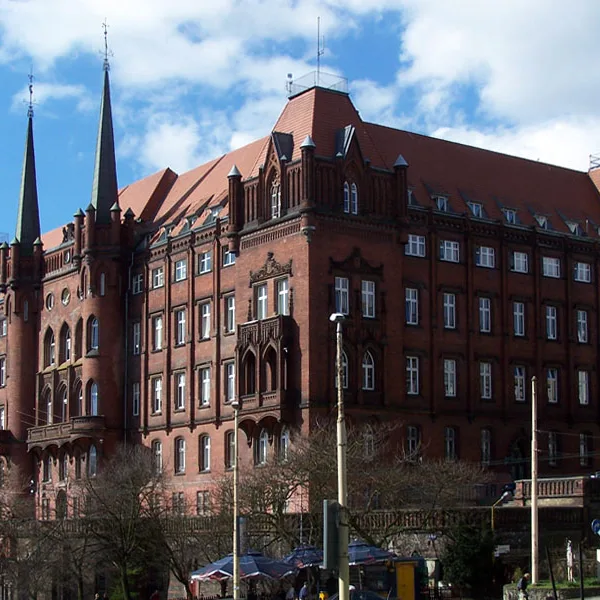
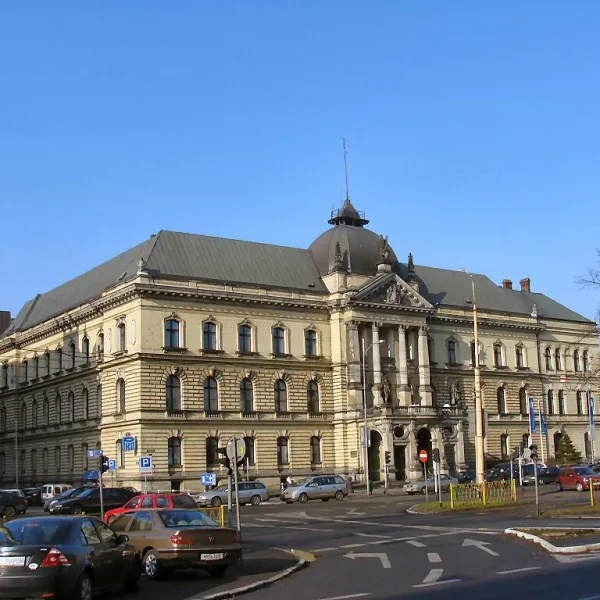
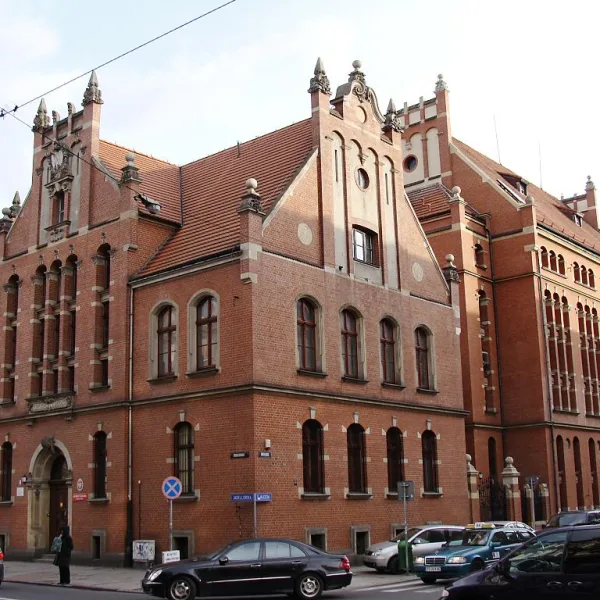
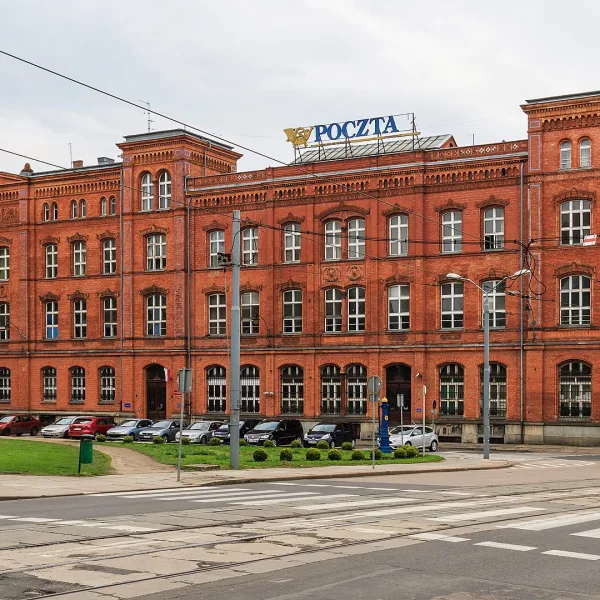
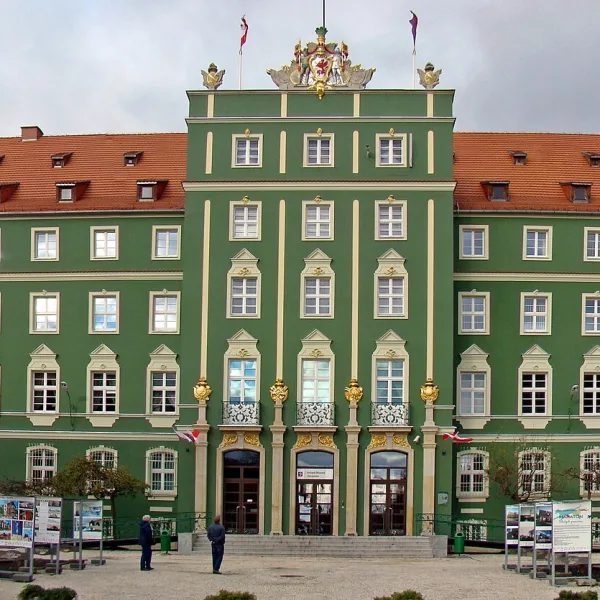
The Red Town Hall on Plac Batorego is a brick building in the Neo-Gothic style, put up in 1875-1879 and also called the New Town Hall. At Dworcowa 20 the still-working Post Office No. 2 is a group of red-brick buildings in German Neo-Renaissance style, designed by Carl Schwatlo. In Śródmieście-Północ you will see the Szczecin City Hall at Szymanowskiego 2, built in 1924-1927 and recognisable by its green facade; it used to house the government of the Province of Pomerania.
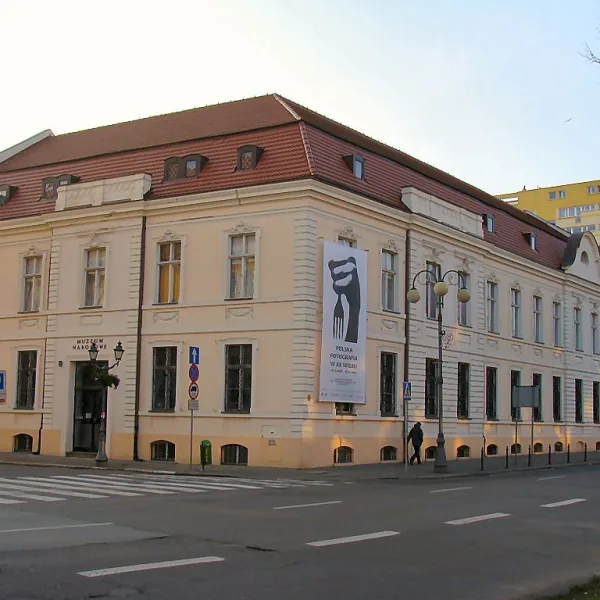
A large complex on the Oder is the Voivodeship Office Building at Wały Chrobrego 4: three connected buildings of 1906-1911 with a tower 72 metres high. Next to it, at number 3, stands the Main Building of the National Museum of 1908-1913, 54 metres tall and built on an E-shaped plan.
Where to find historic villas in Szczecin
Villas are best sought in Pogodno, with single examples also in Łękno and Śródmieście-Północ. This is a quieter part of the city than the Old Town, with detached houses along Aleja Wojska Polskiego and the surrounding streets.
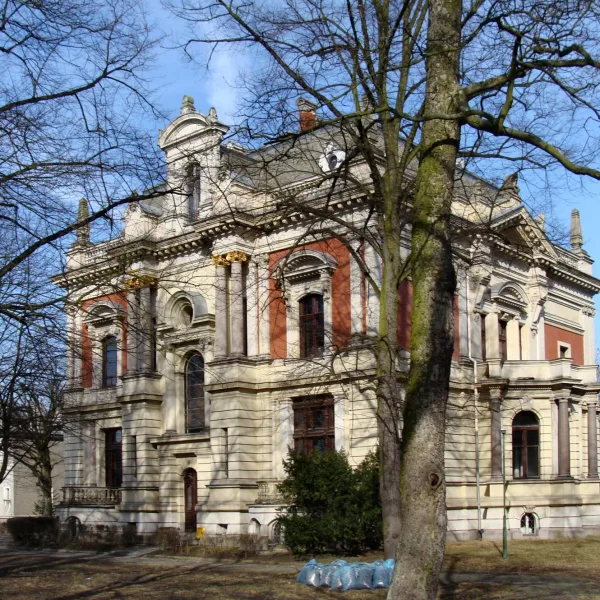
In Pogodno stop at three addresses. The Krahnstöver Villa at Solskiego 3 was built in 1902 in the Art Nouveau style and restored in 2011. The Martin Quistorp Villa at Aleja Wojska Polskiego 160 is an eclectic house of 1899 designed by Heinrich Hölling. At Hoene-Wrońskiego 1 stands a villa of 1910-1911, now home to the management of the city library.
In Łękno, at Aleja Wojska Polskiego 115, you will find the Georg Grawitz Villa with a sundial and a cartouche showing a sailing ship. It has housed a music school since 1951. The Neo-Baroque Lentz Villa at number 84 is now run by a municipal cultural institution that stages exhibitions and shows visitors around the interiors, so it is the one villa in this set that you enter like a museum.
If you like places with atmosphere, also look at the category of atmospheric places in Szczecin.
What to see outside the centre: Dąbie, Osów, Turzyn and Niebuszewo
Outside the centre you will find single buildings of very different character: a Renaissance lodge, the ruin of a viewing tower, technical schools and a closed railway station. They call for a separate trip but reward you with fewer crowds.
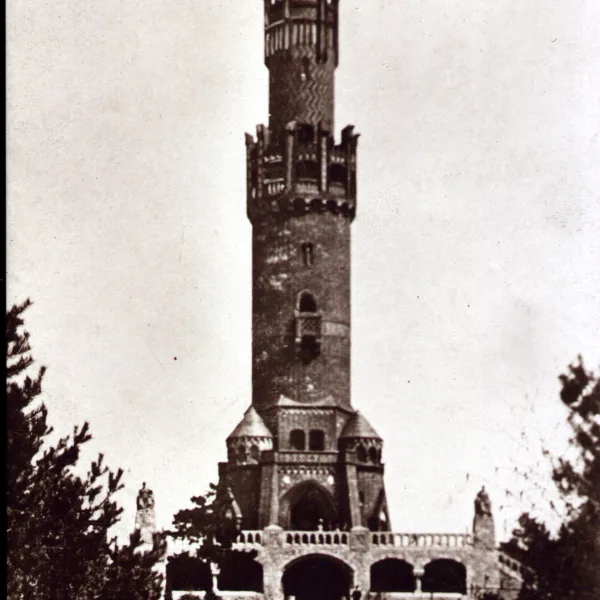
In Dąbie stands the Hunting Lodge at Dziennikarska 39, a Renaissance single-storey building with a gable roof and scrolled gables, rebuilt after a fire in 1592. It houses a branch of the public library. In the Lasek Arkoński woods in Osów lies the Quistorp Tower, the ruin of a viewing tower of 1900-1904. There is no tower to climb any more, only fragments of walls, partly overgrown and buried.
In Turzyn stand two brick technical buildings: the Old Chemistry building (Stara Chemia) at Pułaskiego 10 of 1902-1904 and the Faculty of Electrical Engineering building of the West Pomeranian University of Technology at Sikorskiego 37, an Art Nouveau building of 1901, formerly the Royal School of Mechanical Engineering. In Niebuszewo-Bolinko, at Orzeszkowej 28, you will find Niebuszewo station of 1924-1929, without passenger trains since 2002. It is a piece of railway heritage that can be seen only from outside.
In Gumieńce, in the Central Cemetery, stands the "Mother Earth" monument, a sepulchral sculpture by Ernst Barlach, unveiled again as a copy in 2011. Other burial places and monuments have their own page: cemeteries and monuments in Szczecin.
How to plan a visit to the historic sights of Szczecin
The simplest way is to divide the sights by district: one day for the Old Town with Chrobry Embankment, a second for the centre and the New Town, a third for the villas of Pogodno and the buildings outside the centre. When it rains, choose the ones that work as museums, for example the Main Building of the National Museum, the Palace of the Pomeranian Estates' Diet and the Old Town Hall.
Churches are not listed here, because they have their own category: churches and monasteries in Szczecin. More places in the city's other categories are on the page of things to do in Szczecin, and museums and parks are described at Museums: Szczecin and Parks and nature: Szczecin. The traces of the city's harder history are covered by the category Places of remembrance: Szczecin.
What else to read about the region's historic sights
Historic sights from the whole voivodeship have a joint category: Historic sites. It is also worth reading the articles on industrial heritage, from water towers to drawbridges, on 13th-century granite churches and on Kamień Pomorski with its town hall, tower and bishops' palace.
Frequently asked questions
Which historic sights in Szczecin are the best known?
The most visited are the Ducal Castle, Chrobry Embankment, the Royal Gate, the Port Gate and the Maiden Tower. All of them lie in the centre, the Old Town or the New Town, so they can be combined in one walk.
Where in Szczecin are most historic buildings?
Most are in the Old Town, where over a dozen buildings from this selection stand. The centre comes second, and Pogodno with its villas third.
Can you go inside the historic buildings?
It depends on the building. The Ducal Castle, the Old Town Hall, the Main Building of the National Museum and the Lentz Villa are entered like cultural institutions. Others, such as the State Archive, post offices or university buildings, still work and are usually viewed from outside.
Which historic sights in Szczecin suit rainy weather?
Those that house a museum or an exhibition: the museum's main building on Chrobry Embankment, the Palace of the Pomeranian Estates' Diet, the Old Town Hall with the Museum of the History of Szczecin and the Palace under the Heads with the Museum of Contemporary Art.
Where to see Art Nouveau villas in Szczecin?
In Pogodno, along Aleja Wojska Polskiego and ulica Solskiego, and in Łękno. They include the Krahnstöver Villa, the Martin Quistorp Villa and the Georg Grawitz Villa.

 Historic sites