Cemeteries and monuments in West Pomerania: over thirty free places, from Hercules on Wały Chrobrego to the cemeteries of Stargard.
This is an overview of sculptures, bench statues, monuments and necropolises that you can see without a ticket, usually on an ordinary walk. Most are in Szczecin, but there are also entries from Kołobrzeg, Koszalin, Świnoujście, Sławno and Międzyzdroje. It helps you choose by theme: art in public space, history, notable people and cemeteries.
Which Szczecin monuments should you see first?
For a first walk choose the Old Town and the city centre. In a small area you will find Hercules on Wały Chrobrego (Chrobry Embankment), Colleoni on Plac Lotników, Flora on Plac Orła Białego and the monument to the Pomeranian dukes by the castle.
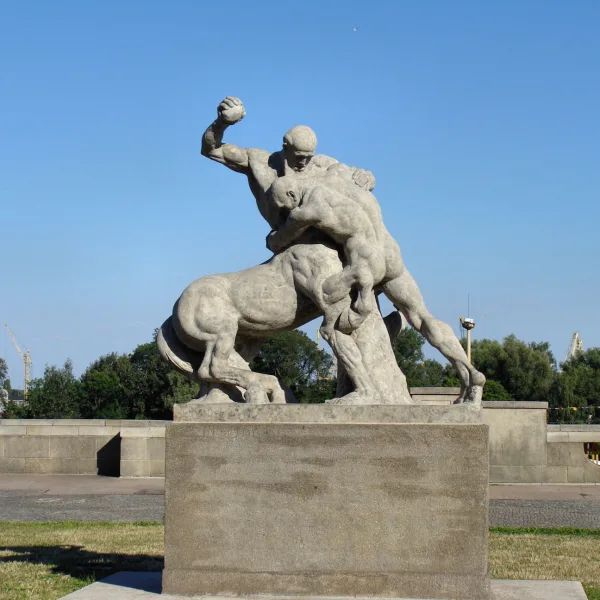
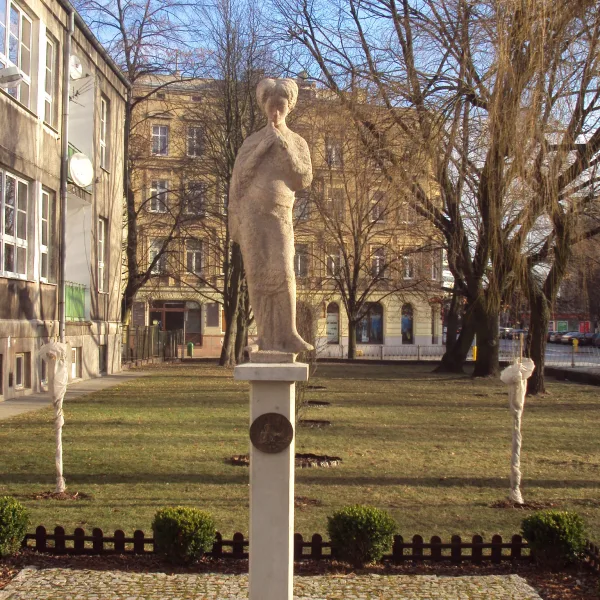
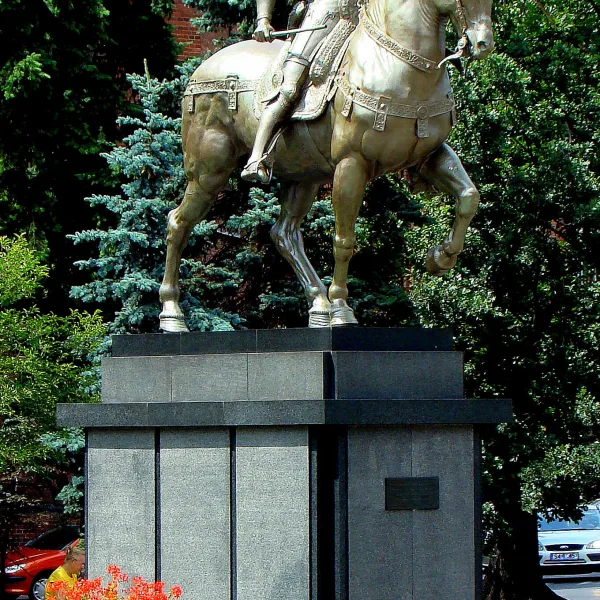
Herkules walczący z centaurem (Hercules Fighting a Centaur) is a sandstone sculpture by Ludwig Manzel from 1916, placed on the terrace in front of the National Museum. The equestrian statue in the Bartolomeo Colleoni Monument on Plac Lotników is a copy of the Renaissance monument in Venice, made in 1909. The Statue of Flora on Plac Orła Białego is a Baroque sandstone group: the goddess with a basket of flowers and two putti, once on the attic of the Grumbkow Palace.
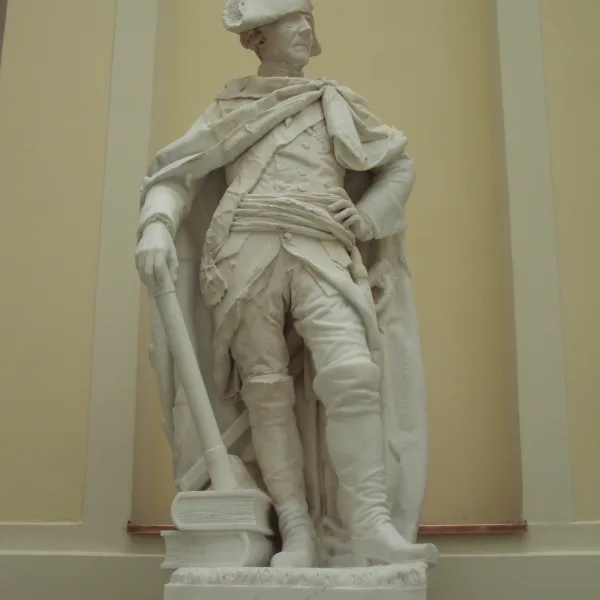
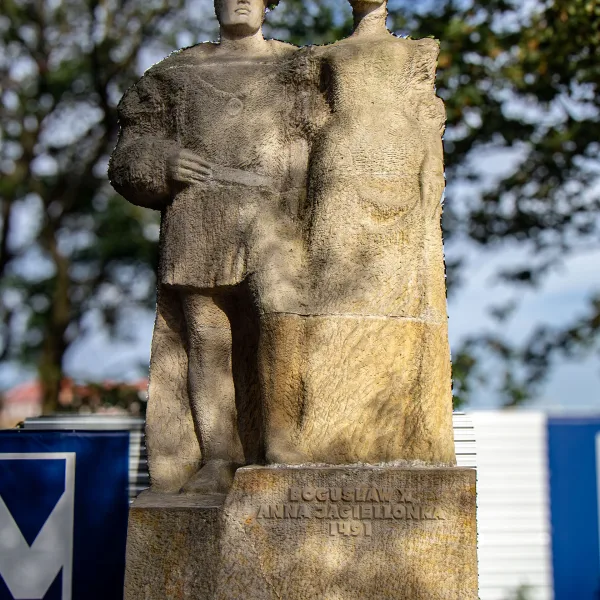
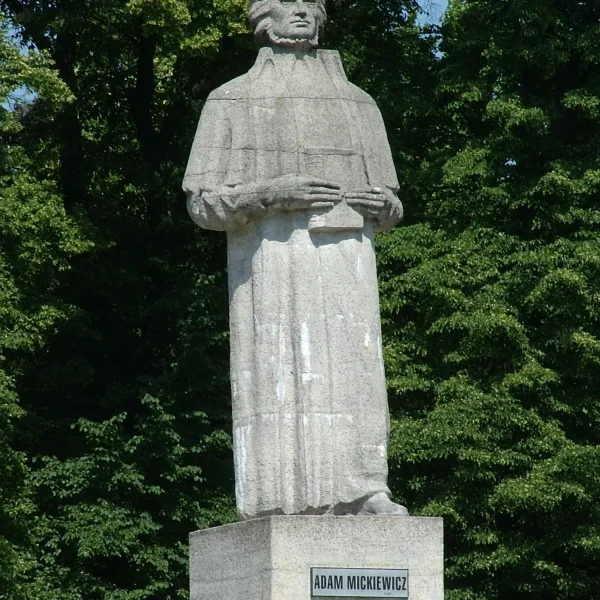
By the Pomeranian Dukes' Castle, near the Bell Tower, stands the monument to Duke Bogusław X and Anna Jagiellon from 1974. In the courtyard of the National Museum on Staromłyńska Street you can see the marble monument to Frederick II the Great from 1793, placed there in 2015. On Plac Mickiewicza stands the monument to Adam Mickiewicz, unveiled in 1960. The other monuments of the district are on the page Cemeteries and monuments: Old Town, and those of the centre on Cemeteries and monuments: Centre.
Where in Szczecin can you find bench statues and monuments to people?
Szczecin has several monuments in the form of bench statues with figures. They can be combined into one walk between Turzyn, Nowe Miasto and the centre.
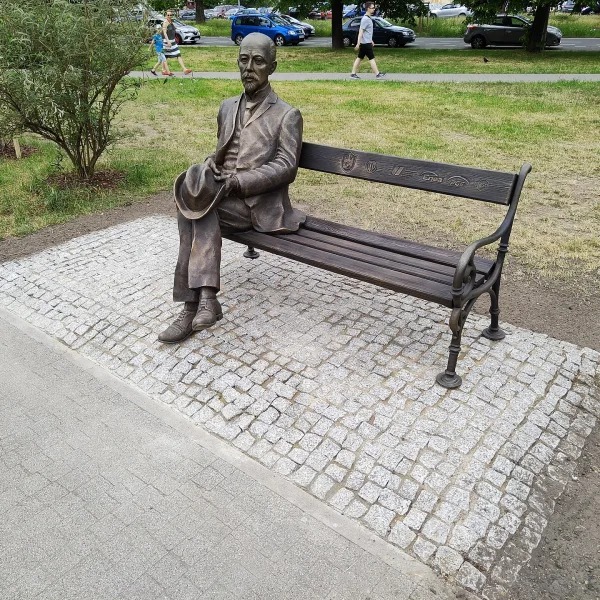
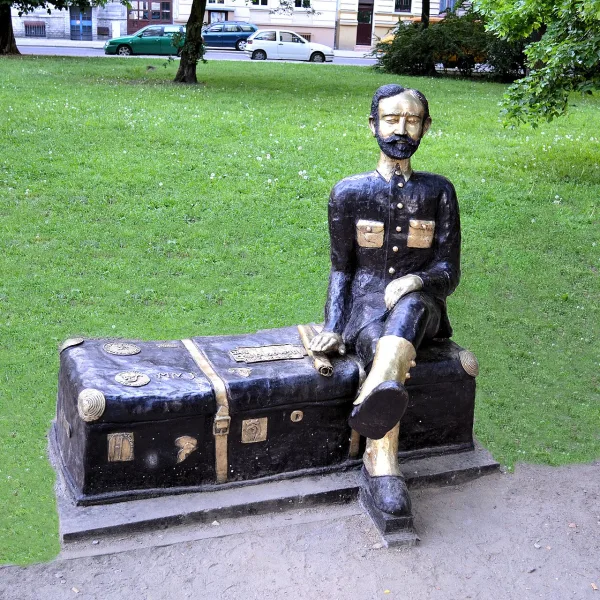
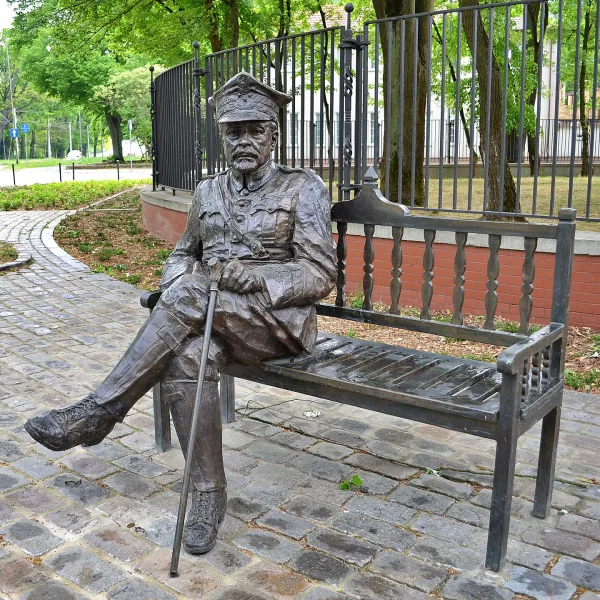
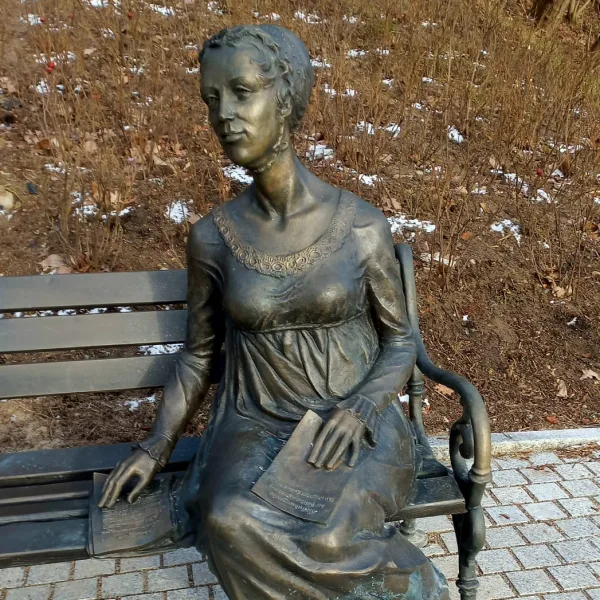
Ławeczka Michała Doliwo-Dobrowolskiego (Michał Doliwo-Dobrowolski Bench) on the square named after him in Turzyn is a bronze from 2022 showing the inventor of the three-phase induction motor. In General Anders Park in Nowe Miasto, Jan Czekanowski, an anthropologist who studied Africa, sits on a travelling trunk. On Skwer Hallerczyków stands the Józef Haller bench, and at the crossing of Robotnicza and Dębogórska streets the Sophie Caroline Auguste Tilebein bench, honouring a German artist who founded support for poor girls.
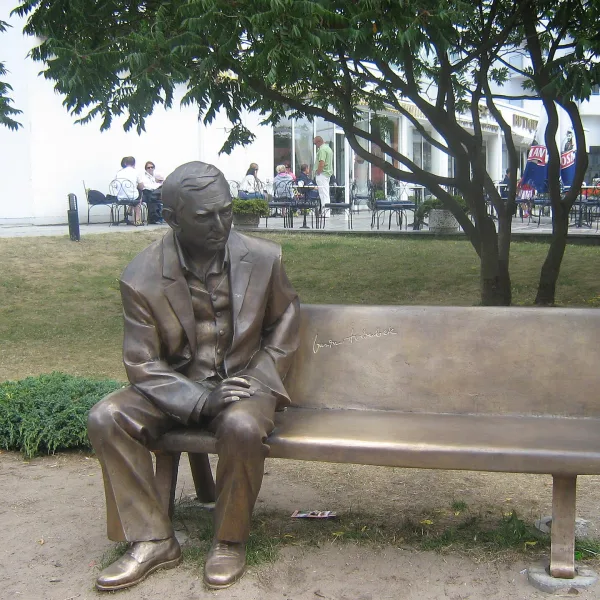
Families will stop at the Monument to King Matt the First on Rayskiego Street, a granite sculpture of the hero of Janusz Korczak's book from 1961. The Szczecin Paprykarz Monument on Plac Gryfitów has a lighter character, an installation in the shape of an open tin. More ideas for families are in the category Dla dzieci (for children). Outside Szczecin, a similar form is the Gustaw Holoubek bench in Międzyzdroje, unveiled in 2008.
What monuments stand at Jasne Błonia and along Aleja Wojska Polskiego in Szczecin?
The area of Jasne Błonia and Aleja Wojska Polskiego holds a cluster of twentieth-century monuments. By Kasprowicz Park two monuments face each other, with more nearby.
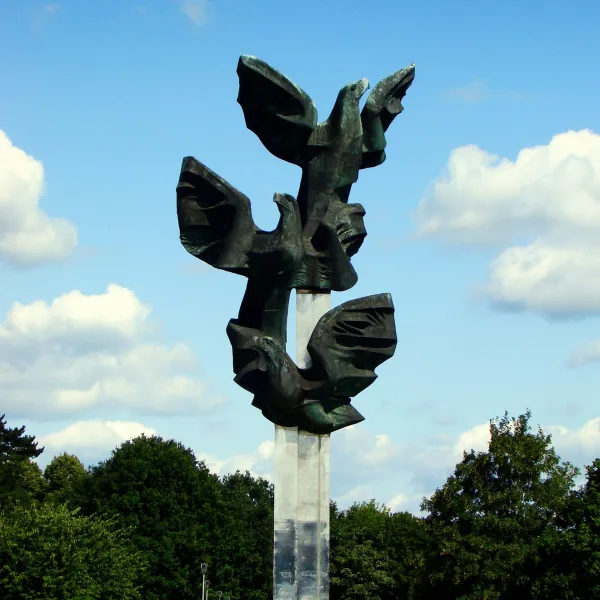
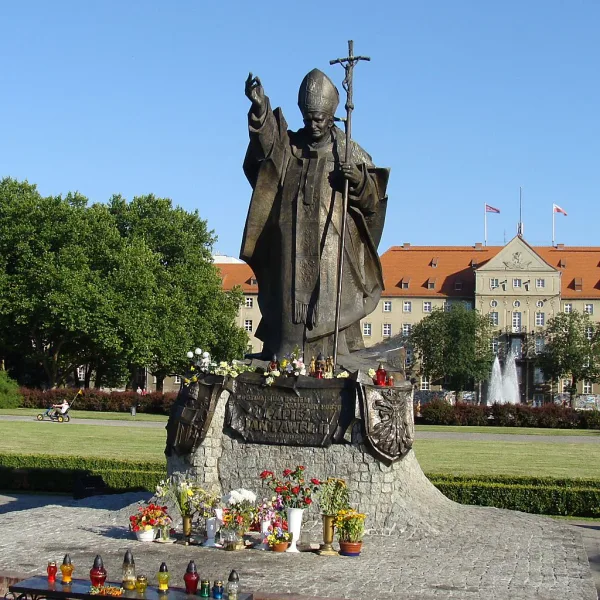
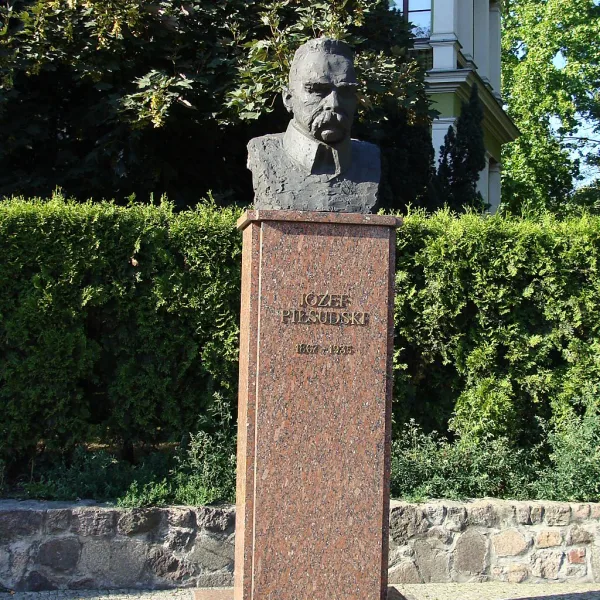
The Monument to the Deeds of the Poles in Kasprowicz Park is a stainless steel column about 22.5 metres high with three bronze eagles, unveiled in 1979. Opposite stands the monument to John Paul II, commemorating the mass celebrated at Jasne Błonia on 11 June 1987. On Plac Szarych Szeregów you will find the monument to Marshal Józef Piłsudski, and at the crossing of Aleja Wojska Polskiego and Zaleskiego Street the monument to Telesfor Badetko, a sandstone obelisk from 1999.
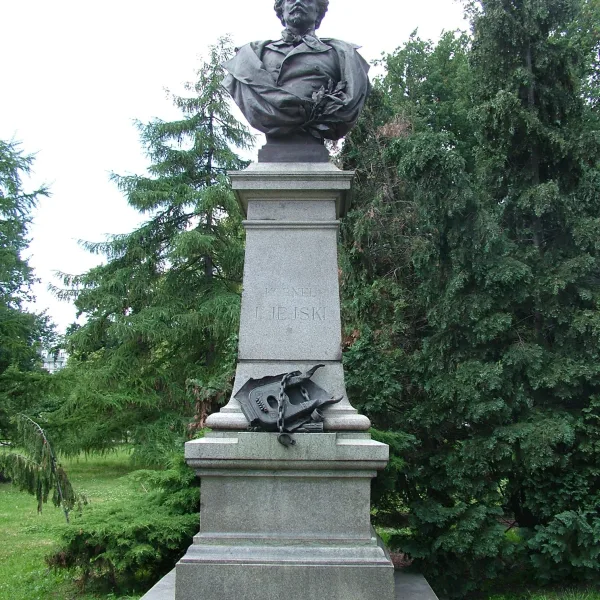
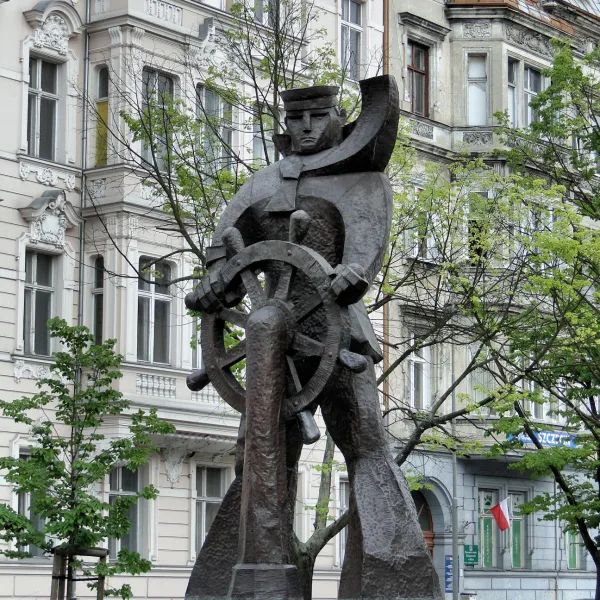
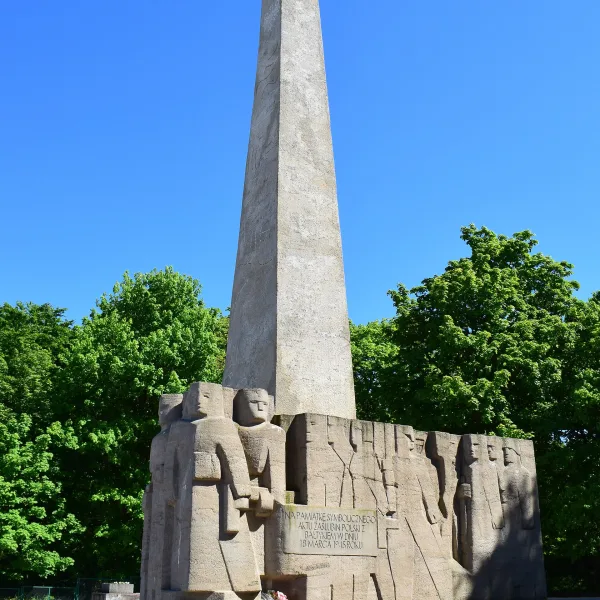
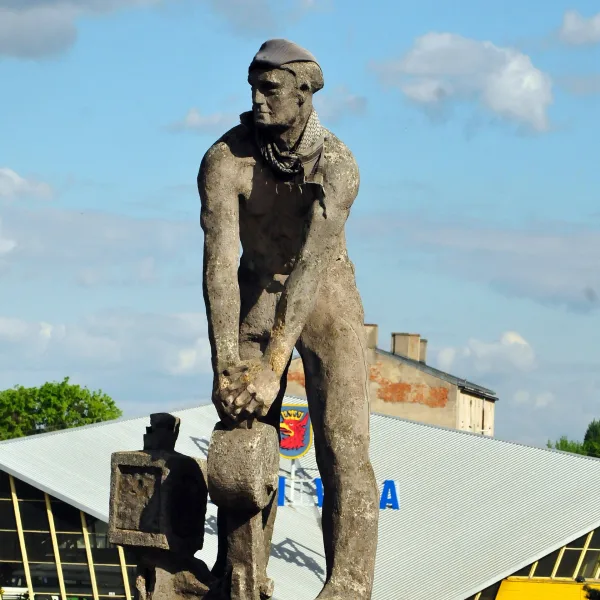
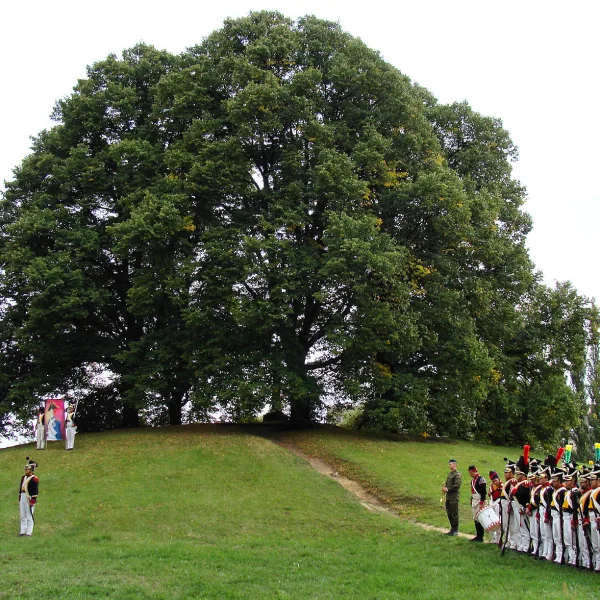
Szczecin also has monuments tied to work and transport: the Sailor Monument on Plac Grunwaldzki with a copper sculpture of a helmsman from 1980, and the Railwayman Monument in front of Szczecin Główny station from 1964. In Pogodno stands the sandstone Good Samaritan Monument, and at the crossing of Unii Lubelskiej and Klonowica streets the Napoleon Hill, an artificial mound from 1808 about eight metres high, with a Prussian column on top. The bust of Kornel Ujejski from 1901 stands between the Port Gate and Plac Zwycięstwa: see the entry. The full set for the city is on the page Cemeteries and monuments: Szczecin, and Nowe Miasto has its own page, Cemeteries and monuments: Nowe Miasto.
Which cemeteries can you visit in West Pomerania?
The list has four cemeteries: two in Szczecin, one in Koszalin and one in Stargard. They differ in character: one is closed to new burials, another is now a park, and two have war graves sections.
The cemetery on Ostrowska Street in Żelechowa is a former Protestant cemetery from 1912, a city park with a lapidarium since 2016 and on the heritage register since 1978. The Golęcino Cemetery in Golęcino-Gocław is municipal and closed, with three pre-war gravestones. In Koszalin the Municipal Cemetery was founded in 1897; it covers about 36 hectares and has war graves sections and a lapidarium of gravestones. In Stargard the Old Municipal Cemetery from 1910 is the largest and oldest of the town's surviving necropolises, and part of it is a wooded walking area.
The biggest cemetery in Szczecin as a park-necropolis is the subject of the article Cmentarz Centralny in Szczecin, and war cemeteries of the region are covered by the text War cemeteries of Szczecin and the region. Sites tied to the history of the Second World War are in a separate category, Places of remembrance.
Which monuments are worth seeing outside Szczecin?
Outside the regional capital the monuments are scattered, so it is best to combine them with another reason to travel, such as a seaside stay.
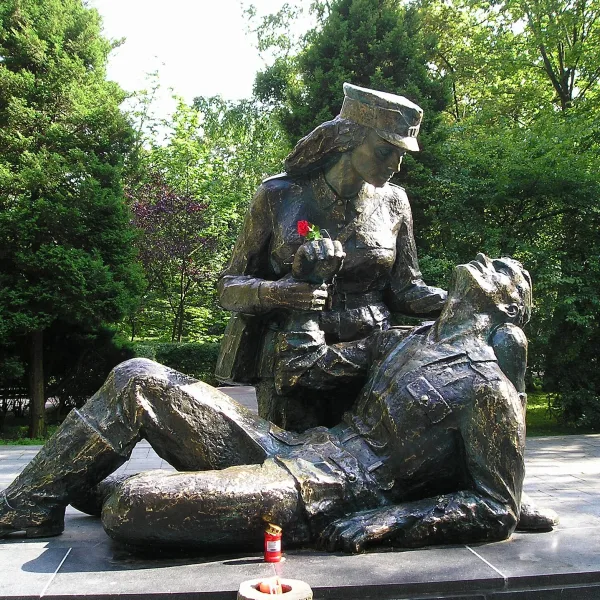
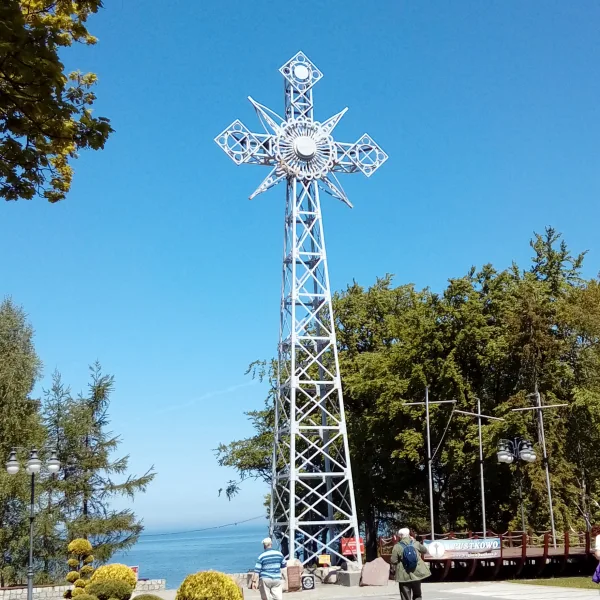
In Kołobrzeg you will find the Monument to the Wedding of Poland to the Sea from 1963 in the spa park between the lighthouse and the pier, and the Nurse Monument from 1980, which commemorates women who fought in the Polish Army, especially in the battles for the town in March 1945. In Pustkowo, on the cliff, rises the nineteen-metre metal Bałtycki Krzyż Nadziei (Baltic Cross of Hope), completed in 2007. In Sławno, by the Koszalin Gate, stands the monument "Chrystus przybywa do Sławna" (Christ Arrives in Sławno), unveiled in 2001. In Koszalin there is the monument to General Władysław Sikorski from 2003. On Piekielnik hill in the Bukowa Forest stands a granite stele from 1894, the Carl Ludwig Gené Monument, dedicated to a forester.
Stated plainly, the RAF Airmen Monument on Karsibor in Świnoujście stands near the place where a British Lancaster bomber fell on 16 April 1945. It commemorates the crew, who died during the raid on the German cruiser "Lützow".
How to plan a walk among the monuments of Szczecin?
A simpler loop leads from Wały Chrobrego through the Old Town to Plac Orła Białego and on to the centre. On the way you pass Hercules, the monument to the Pomeranian dukes, the monument to Frederick II, Flora and Colleoni. A second day is worth giving to Jasne Błonia and Aleja Wojska Polskiego.
The walk combines well with visits to museums and historic sites of the Old Town or with the parks. The parks of Szczecin are covered by the article Parks of Szczecin. For art lovers there are also cultural venues.
Frequently asked questions
Is visiting monuments and cemeteries free?
Almost all places here carry the "Bezpłatne" (free) tag. Monuments stand in public space and cemeteries are open to visitors. No ticket is needed.
Where in Szczecin are most monuments?
Most are in the Old Town, the centre and Nowe Miasto. Szczecin has over twenty places in this list, and each district has its own page of monuments.
Which monuments suit a walk with children?
The Monument to King Matt the First on Rayskiego Street, the Szczecin Paprykarz Monument on Plac Gryfitów and the bench statues in Szczecin. They are small and easy to find.
Are there monuments in West Pomerania outside Szczecin?
Yes: in Kołobrzeg, Koszalin, Świnoujście, Sławno, Międzyzdroje, Pustkowo and in the Bukowa Forest near Kołowo.
Which cemetery in the region is now a park?
The cemetery on Ostrowska Street in Szczecin. It is a former Protestant cemetery turned into a city park with a lapidarium in 2016.

 Cemeteries and monuments