Technical heritage in West Pomerania: lighthouses, bridges, marinas and water towers, from Niechorze to Stargard, dozens of places to see.
This is a list for people who would rather look at structures than exhibits: towers with viewing terraces, bridges over the Oder and the straits, yacht harbours and old railway buildings. Most of them stand in the open air, so they combine well with a walk or a trip to the seaside.
Which lighthouses of the region can you climb?
Lighthouses make up the largest group of technical monuments in the region. On the coast you can visit the towers in Darłówko, Gąski, Jarosławiec, Niechorze, Kołobrzeg and Świnoujście, while Kikut, inside Wolin National Park, admits no visitors. Each one differs in character and height.
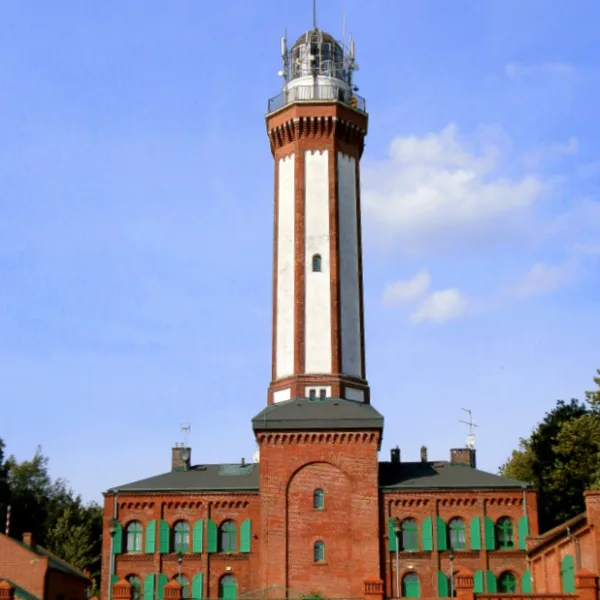
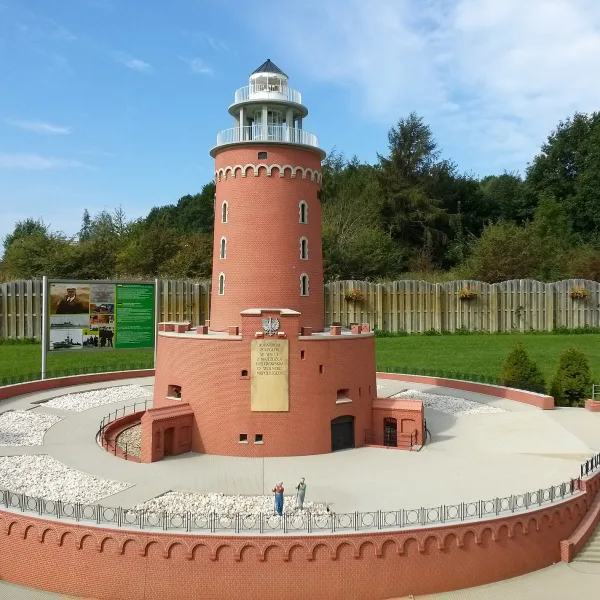
Niechorze Lighthouse (Latarnia Morska Niechorze) stands on a cliff in the Rewal commune, is 45 m tall and has a viewing terrace reached by 208 steps; the tower was built in 1866. Right next to it is the Lighthouse Miniature Park (Park Miniatur Latarni Morskich) with models at one-tenth scale of the lighthouses of the Polish coast, a good stop with children, and a way for adults to compare the towers without driving along the whole coast.
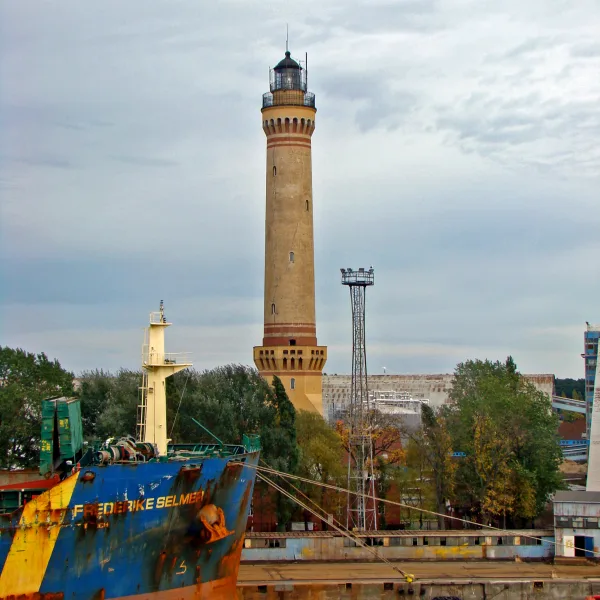
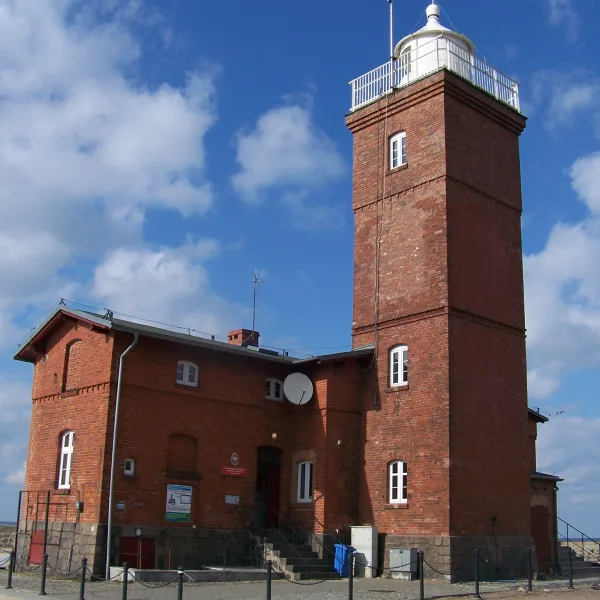
Świnoujście Lighthouse (Latarnia morska Świnoujście) in the Warszów district is a brick tower dating from 1857 and, says Wikipedia, the tallest on the Polish coast; it has 308 steps. Jarosławiec Lighthouse (Latarnia Morska Jarosławiec) dates from 1838, measures 33.3 m and stands in the village itself, while Gąski Lighthouse (Latarnia Morska Gąski) from 1876-1878 has a terrace reached by 190 steps and lies in the Mielno commune, between Kołobrzeg and Darłowo.
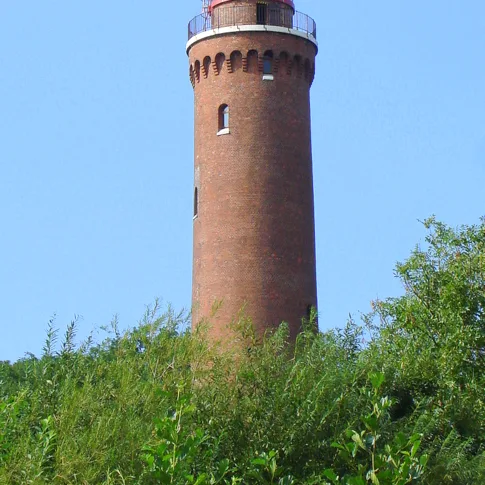
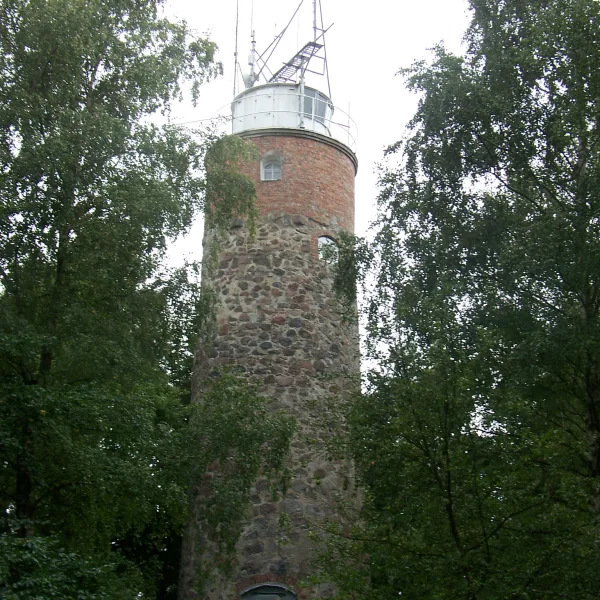
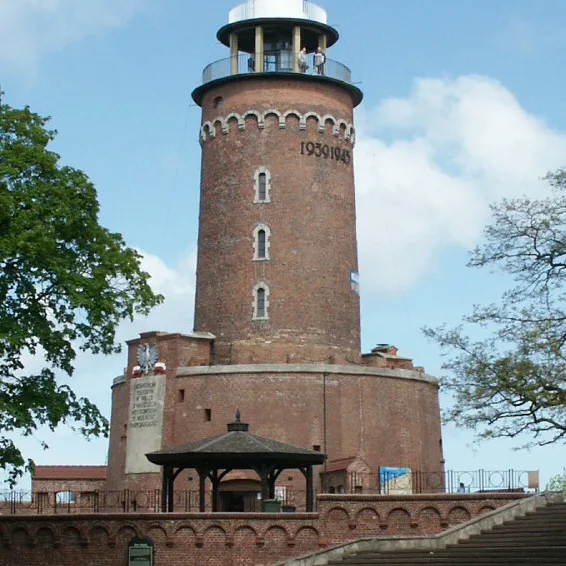
Darłowo Lighthouse (Latarnia Morska Darłowo) in Darłówko, at the mouth of the Wieprza, is low and brick, built in 1885 and raised in 1927. Kołobrzeg Lighthouse (Latarnia Morska Kołobrzeg) from 1945 rises on the Bay of Pomerania, standing on the principal platform of an old fort. Latarnia Morska Kikut (Kikut Lighthouse) from 1962, converted from a viewing tower, is unmanned and closed to visitors, so you can only know it from descriptions.
Which harbours and marinas are worth seeing by the sea and the Szczecin Lagoon?
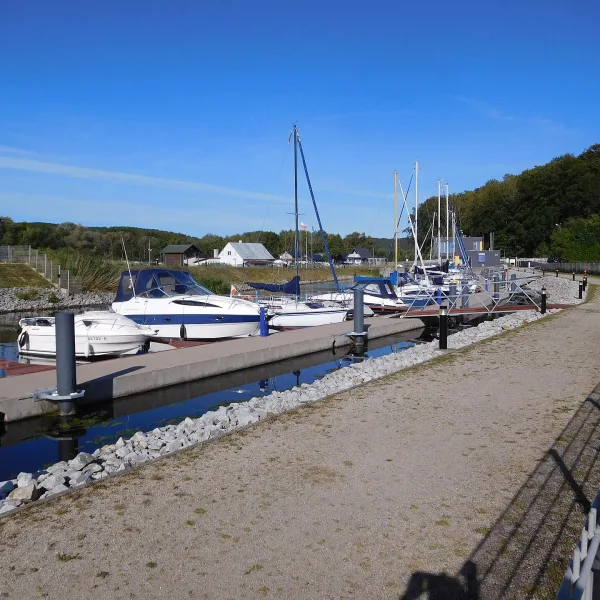
The second large group is harbours: yacht harbours, fishing harbours and moorings on the shores of the Szczecin Lagoon, Lake Dąbie and the Baltic. They suit a quiet walk along the quay, a look at the yachts and cutters, and often a kayak hire or a boat trip.
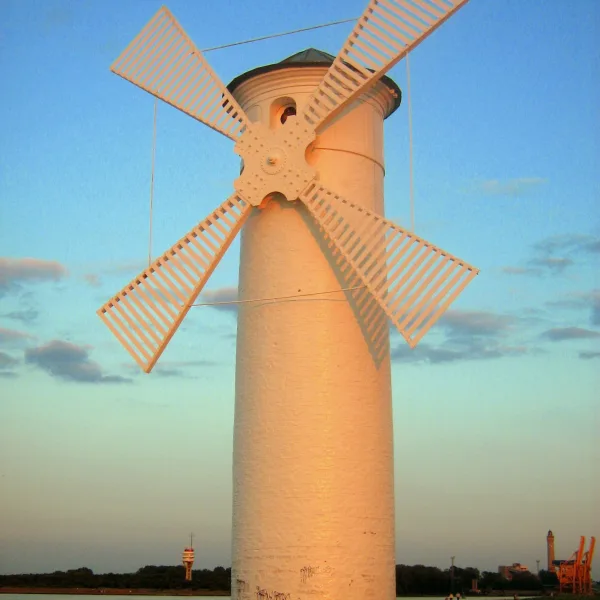
By the sea, look in at Stawa Młyny in Świnoujście, a white, windmill-shaped navigation mark, dating from 1873-1874, on the tip of the West Breakwater. In Dźwirzyno you will find Port morski Dźwirzyno, a modest harbour for fishing boats and yachts, where the canal leading from Lake Resko Przymorskie meets the sea. Fishing atmosphere comes with the Przystań Rybacka w Chłopach (fishing harbour in Chłopy), with colourful cutters and fish smokehouses, and the Przystań Rybacka w Unieściu (fishing harbour in Unieście) on the spit between the sea and Lake Jamno, where you can buy fresh fish.
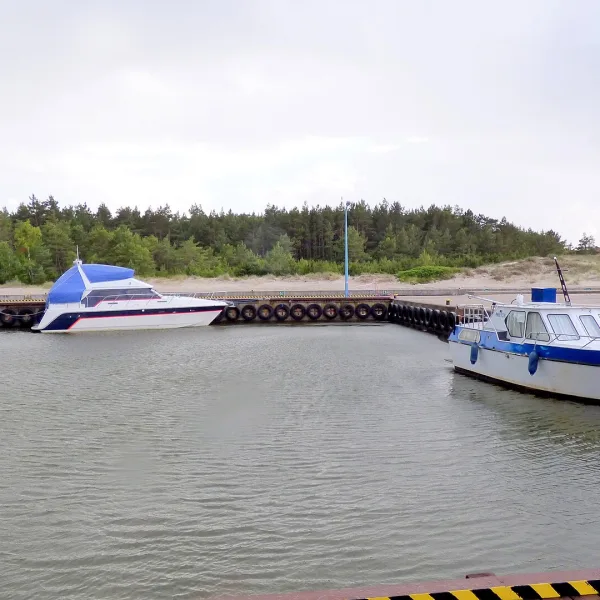
More harbours lie on the Szczecin Lagoon and on Wolin. Marina Wapnica in the Międzyzdroje commune has 52 berths and borders Wolin National Park, and Port Wapnica sits on the east bank of Lake Wicko Wielkie. Marina Kamień Pomorski is a large yacht harbour with over 290 berths, close to the Old Town. Marina Trzebież works where a sailing centre once stood, and has a tent field, Marina Kopice is laid out in a pirate style, and the Przystań przy Kanale Młyńskim w Stepnicy (harbour on the Mill Canal in Stepnica) sits in a sheltered canal half a kilometre from the centre.
Which technical monuments should you see in Szczecin?
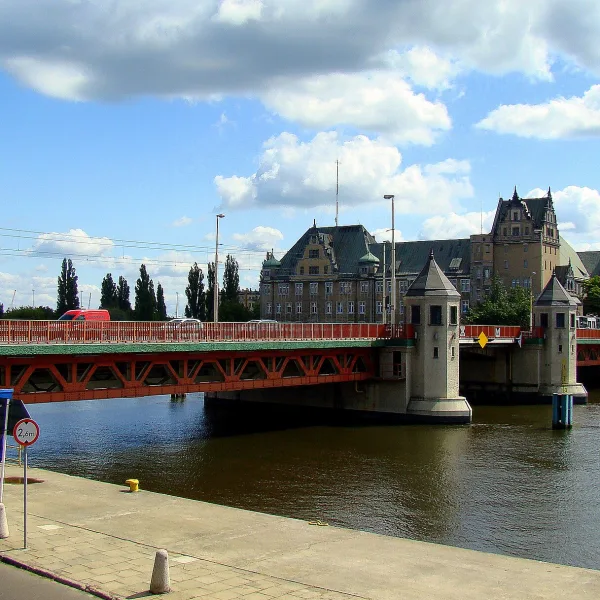
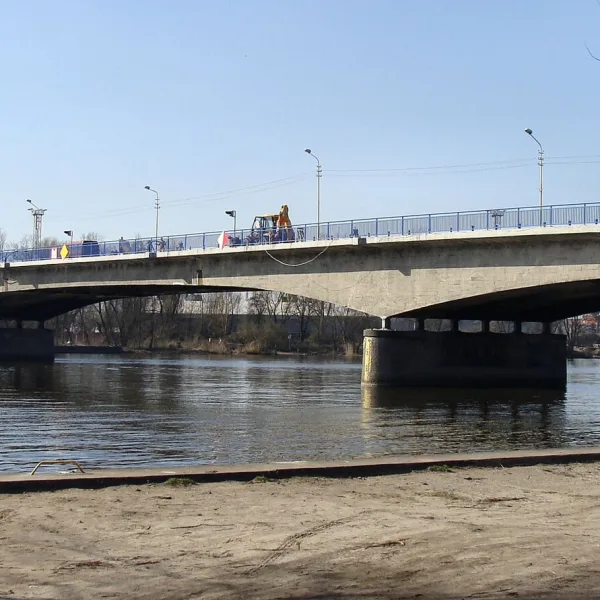
Szczecin has the most entries on this list: over a dozen sites, from bridges to museums. Over the West Oder stand two bridges with a history: Most Długi w Szczecinie (Sobieski Long Bridge), linking the centre with Łasztownia and rebuilt in 1959, and the Most na Wyspę Jaskółczą w Szczecinie (bridge to Jaskółcza Island), a steel bridge of 1920-1921, the single Szczecin bridge that came through the Second World War. Most Cłowy w Szczecinie (Cłowy Bridge) spans the Regalica where a medieval toll point once stood.
Moorings gather around Lake Dąbie: Marina Pogoń can moor up to three hundred vessels, and a tavern serves the harbour, Port Jachtowy Marina Dąbie offers kayaks and SUP boards, and the Centrum Żeglarskie (Sailing Centre) on Przestrzenna Street combines a mooring with cruises and courses. All three lie in the Dąbie district, so you can walk round them in one afternoon.
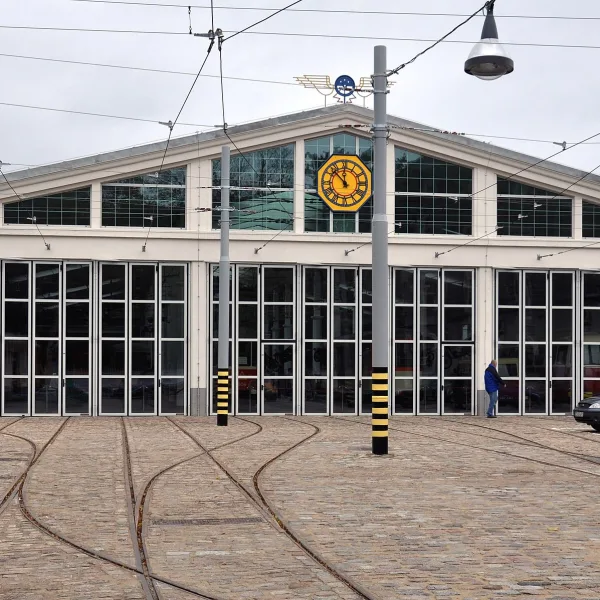
When it rains, the museums remain. The Muzeum Techniki i Komunikacji w Szczecinie (Museum of Technology and Transport) fills an old tram depot with vehicles from Szczecin and an interactive science centre. The Muzeum Techniki Wojskowej (Military Technology Museum) is in a bunker on Międzyodrze and opens on announced dates, so check the museum's notice before you set out.
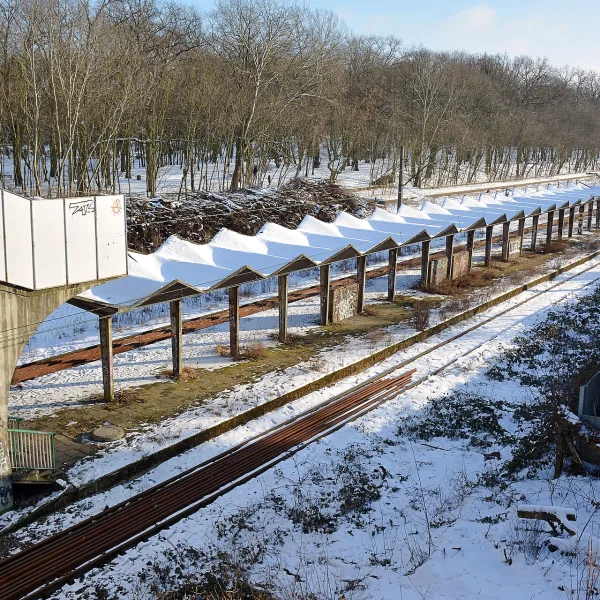
Fans of railway architecture have two addresses. Dworzec Niebuszewo w Szczecinie (Niebuszewo station), built in 1924-1929 on Elizy Orzeszkowej Street, has served no passengers since 2002, and the Wiata peronowa na przystanku Szczecin Pogodno (platform shelter) is a reinforced concrete shelter from 1973 in the Brutalist style, added to the monuments register in 2019. The full city list is on Zabytki techniki: Szczecin.
Which bridges and water towers lie outside Szczecin?
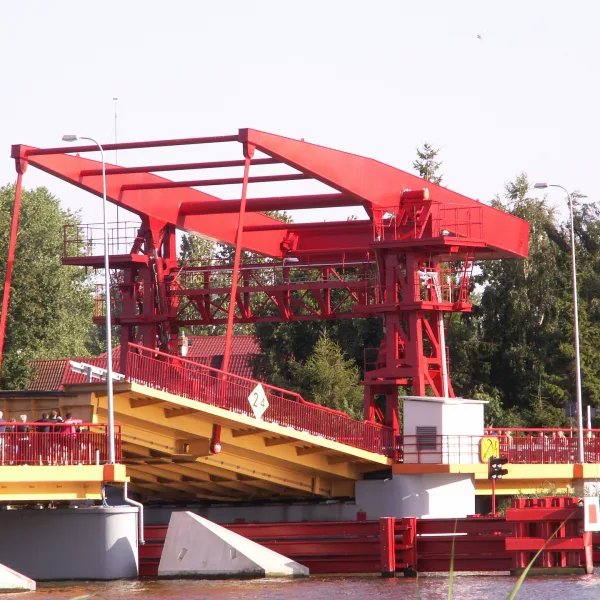
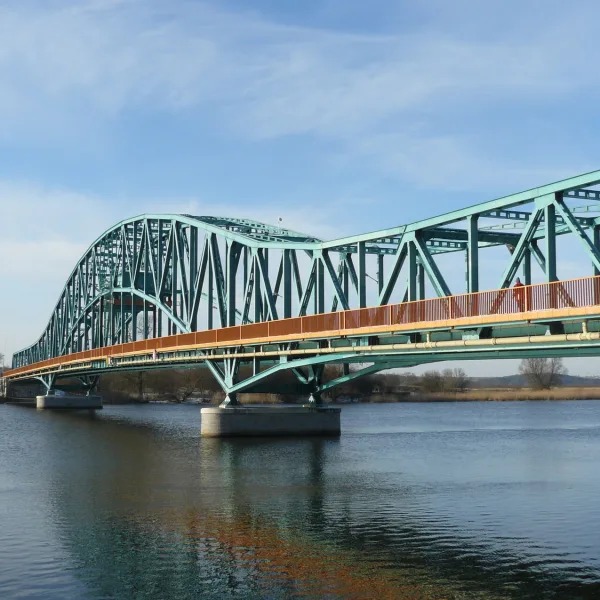
The region's bridges form a separate, interesting group, because many of them move. Most obrotowy w Wolinie (swing bridge) over the Dziwna strait is among only five of its kind in Poland. Most zwodzony w Dziwnowie (drawbridge) from 1994 opens electrically for vessels, and the Most zwodzony w Gryfinie is a truss structure over the East Oder from 1911-1913.
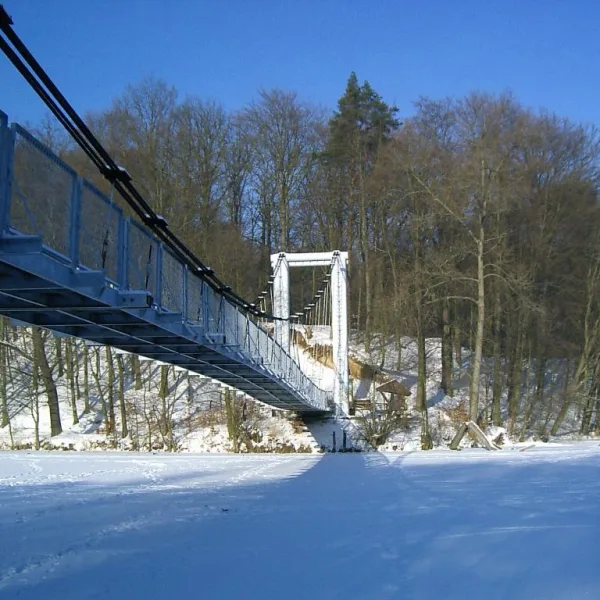
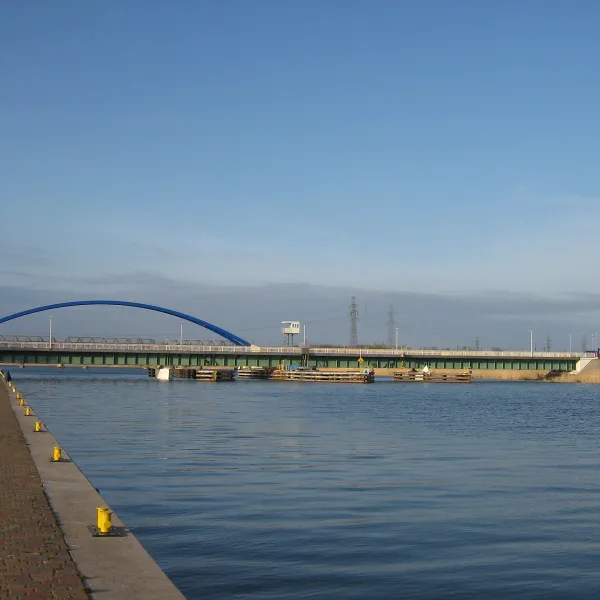
In Świnoujście the Most Piastowski w Świnoujściu (Piast Bridge) links the islands of Karsibór and Ognica; it is 407 m long and opened in 2012. In Wałcz the Most Kłosowski is a steel suspension bridge from 1978, 85 m long and for pedestrians only, over Lake Raduń.
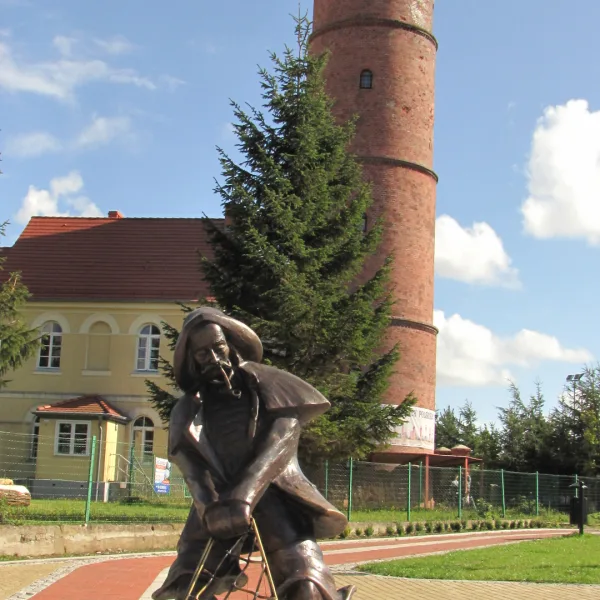
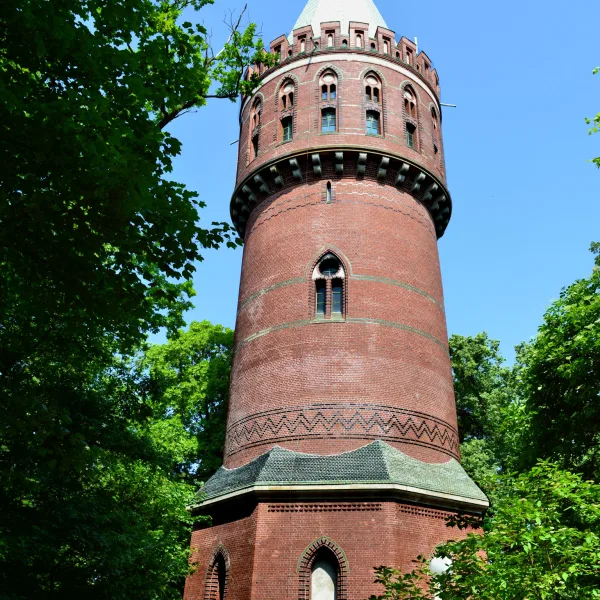
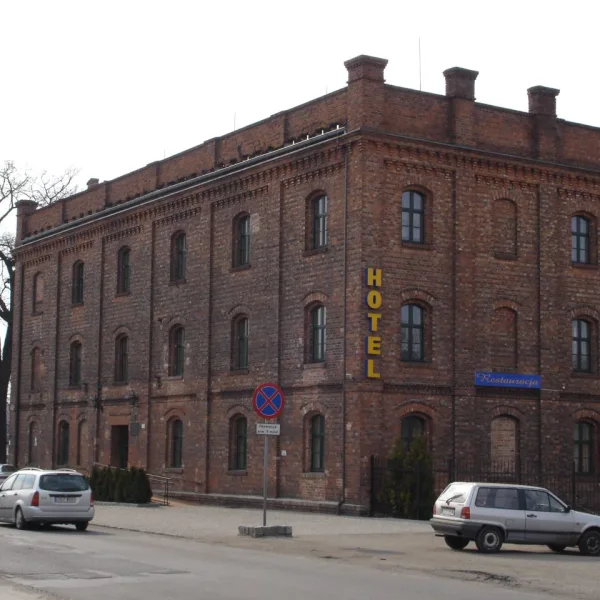
There are two water towers. The Wieża ciśnień w Stargardzie Szczecińskim (Stargard water tower) is a neo-Romanesque building of 1896-1897, 65 m tall, in Chrobry Park. The Wieża ciśnień w Trzebiatowie (Trzebiatów water tower) from 1906 stands by the station and has a rare spherical Klönne tank. In Stargard you can add the Mały Młyn w Stargardzie Szczecińskim (Small Mill), a brick mill from 1894 by the Krąpiel canal; it worked until 1999 and is now a hotel.
Where can you see old narrow-gauge railways?
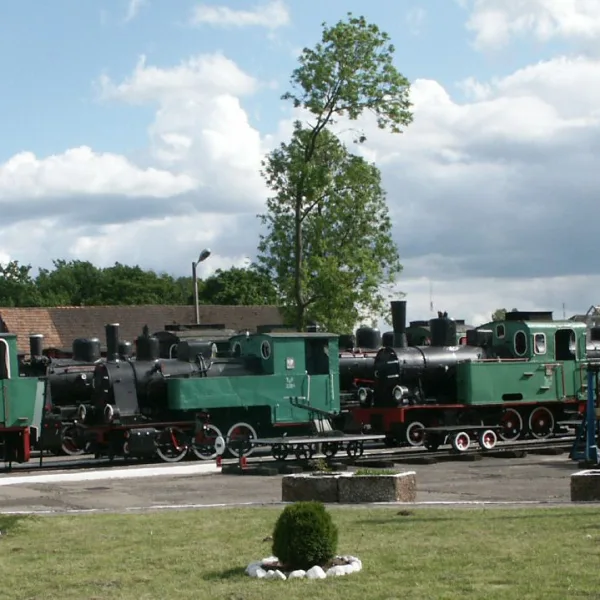
In Gryfice you will find the Stała Wystawa Pomorskich Kolei Wąskotorowych w Gryficach (permanent exhibition of Pomeranian narrow-gauge railways), an outpost of the National Museum in Szczecin. It is an open-air collection of steam locomotives and carriages from the narrow-gauge lines of West Pomerania, a good destination for railway fans and families with children.
How to plan a day among technical monuments?
Most of the places are freely accessible and suit a trip for two or a solo walk. Lighthouse entry and museum opening hours change, so check them on the spot, and build the plan on distances. In one day in Niechorze you see the lighthouse and the miniature park, and in one day on Wolin you can combine Wolin, Dziwnów and Wapnica.
In Świnoujście put together the lighthouse, Stawa Młyny and the Piast Bridge, and in Szczecin start with Łasztownia and the bridges, then move on to Dąbie. When it rains, pick the museums. A separate list is on the page Zabytki techniki: Świnoujście.
Frequently asked questions
Can visitors enter the lighthouses?
Towers in Darłówko, Gąski, Jarosławiec, Niechorze, Kołobrzeg and Świnoujście can be entered. Kikut, in Wolin National Park, cannot.
Which lighthouse is highest on the Polish coast?
Wikipedia names the one in Świnoujście. It stands in Warszów, was built of brick in 1857 and has 308 steps.
Where can you see a swing bridge?
In Wolin, over the Dziwna strait. It is one of five swing bridges in Poland.
Which technical monuments can you see when it rains?
Choose the Museum of Technology and Transport, the Military Technology Museum in Szczecin or the narrow-gauge railway exhibition in Gryfice. For the Military Technology Museum, check the announced opening dates.
Which moorings lie near Szczecin?
On Lake Dąbie there are Marina Pogoń, Port Jachtowy Marina Dąbie and the Sailing Centre, and further out on the Szczecin Lagoon Marina Trzebież and Marina Kopice.

 Lighthouses and ports