Museums in West Pomerania: the National Museum in Szczecin, Darłowo castle, open-air museums and regional museums in small towns.
This is a guide for anyone choosing a museum for a rainy day or planning a trip around a particular exhibition. There are several dozen places, from large institutions in Szczecin and Koszalin and seaside museums to small venues with local history, military collections and archaeology. All suit days when the weather is poor for walking, and many sit in historic buildings.
Which museums in West Pomerania should you see first?
It is best to start in Szczecin, because the National Museum is the largest cultural institution in the region, and its branches show art, history and technology. Beyond the regional capital, look at the castle in Darłowo, the museums of Kołobrzeg and Koszalin.
With one day in Szczecin, combine the main building on Wały Chrobrego with the Dialogue Centre Przełomy. If you are heading to the coast, plan a museum for a day with worse weather. On a longer stay, add the open-air and military museums that lie outside the towns.
What museums are there in Szczecin?
In this list Szczecin has several museums of different kinds: national, technical, interactive and underground. All are within the city, so you can visit two in one day.
Museums of art and history
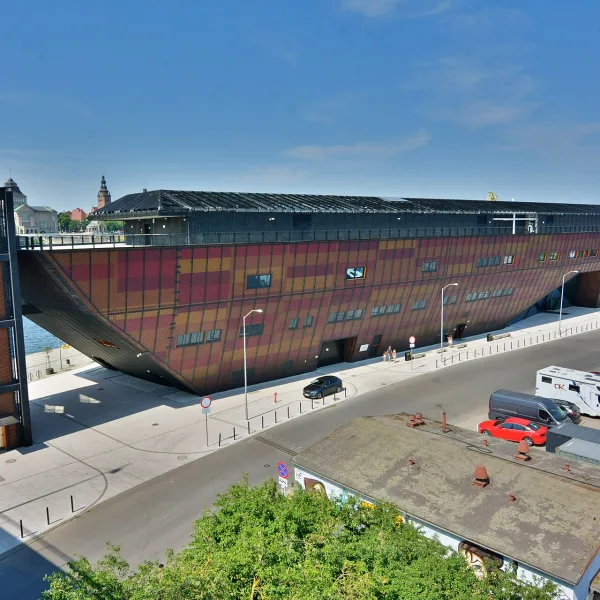
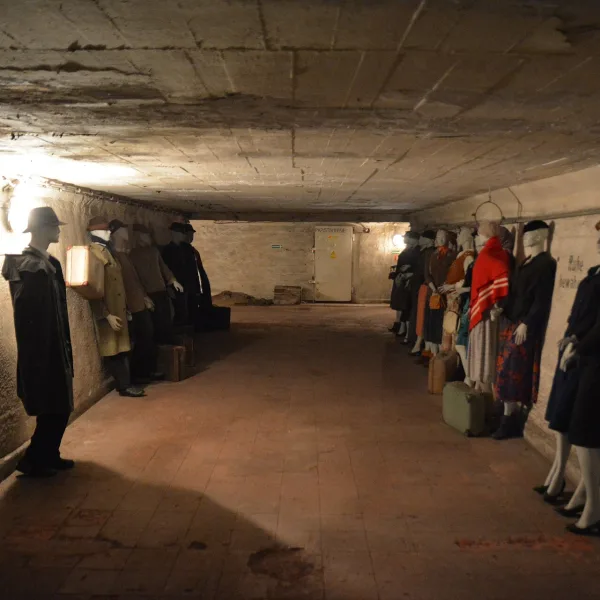
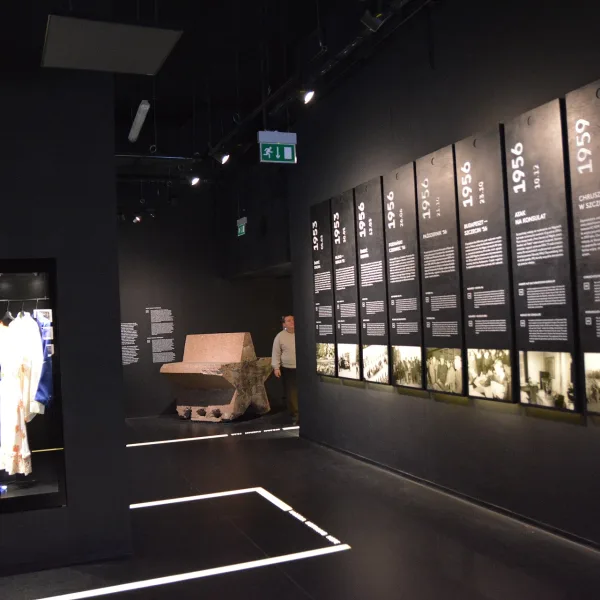
The National Museum in Szczecin has its main building at Wały Chrobrego 3, four branches in the city and an exhibition in Gryfice. The underground Dialogue Centre Przełomy Museum at plac Solidarności 1 tells the story of Szczecin and West Pomerania after 1945, and the building won the title World Building of the Year 2016. The Underground Tourist Routes at ulica Krzysztofa Kolumba 2 are three exhibitions in a former German shelter under the main station, visited independently or with a group.
Technology, science and play
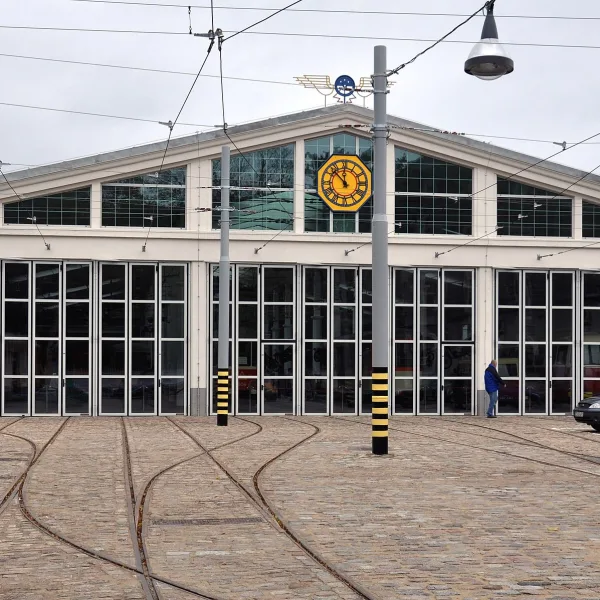
The Museum of Technology and Transport occupies a former tram depot in Niebuszewo-Bolinko and has a collection of Szczecin vehicles and an interactive science centre. The Maritime Science Centre at Nad Duńczycą 1 is an interactive centre about the sea and sailing in a ship-shaped building, with a planetarium and a viewing terrace on Łasztownia. For families with children there is also the Be Happy Museum in Centrum, with optical illusions, ball pits and game zones. For a fuller picture, see museums in Szczecin and the feature from art to the communist era. The museums of the Old Town are also listed separately.
Which museums are worth visiting in Kołobrzeg, Koszalin and on the coast?
The seaside towns have museums about fishing, amber and the history of the fortress, and Koszalin has one larger museum with several branches. They fit a rainy day on the Baltic well.
In Kołobrzeg the Kołobrzeg Museum "Patria Colbergiensis" operates in the cellars of the town hall at Armii Krajowej 12 and shows finds from the sieges of the fortress, military items and guild souvenirs. Next door, at Armii Krajowej 13, stands the Brunswick Palace, an Empire-style merchant palace from the early 19th century, now the City History branch of the Polish Arms Museum with the exhibition "The History of Kołobrzeg". The page museums in Kołobrzeg collects them together.
In Koszalin the Museum in Koszalin at ulica Młyńska 37/39 shows archaeology, old art, numismatics and the history of the town. Added to this are the Jamno Culture Open-Air Museum, a branch with a fisherman's cottage and the Jamno Farmstead, and the Water Museum in a filter house more than a hundred years old, with plans of the water network and a piece of pipe from 1726. You can read about the town in the article on Koszalin, while every museum in the town is listed under museums in Koszalin.
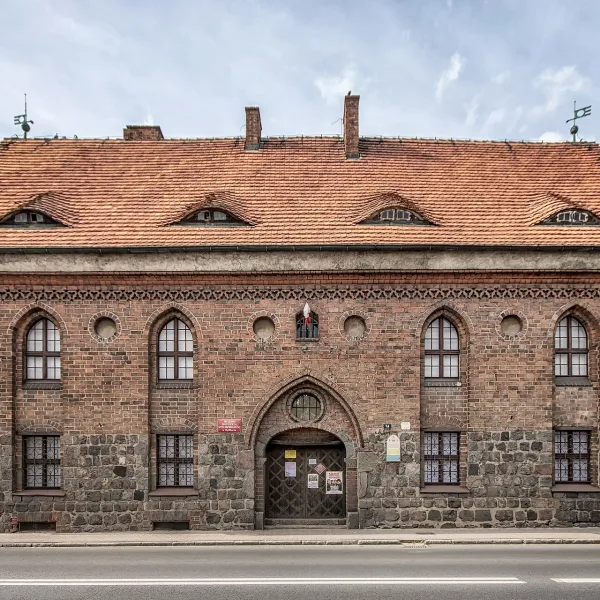
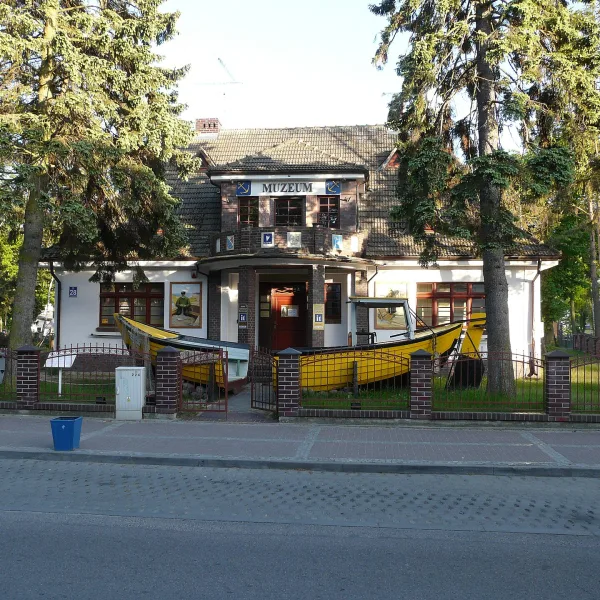
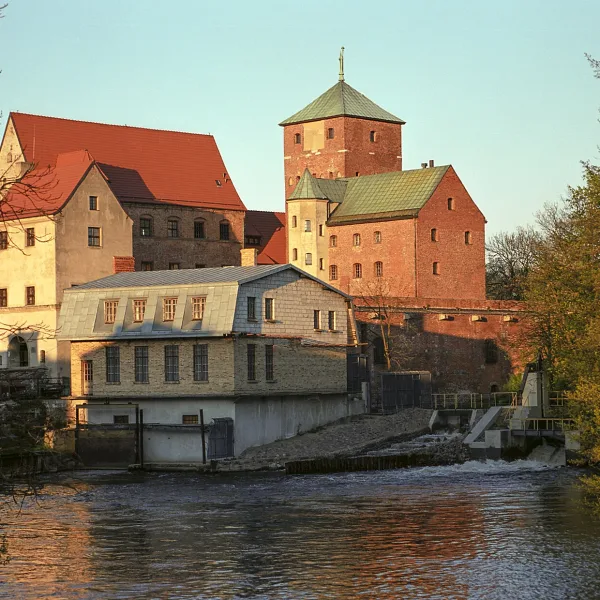
Smaller venues lie along the coast. The Sea Fishing Museum in Świnoujście is housed in a former town hall from 1806 and shows Baltic fauna, amber and ship models. The Sea Fishing Museum in Niechorze occupies a villa from the 1930s and has fishing gear and boats outdoors. In Jarosławiec there is the Amber Museum with a reconstructed amber forest and an inclusions room, and in Trzęsacz the Multimedia Museum on the Cliff, which tells the story of the cliff and the collapse of the church. In Darłowo, visit the Castle of the Pomeranian Dukes: a Gothic stronghold from the 14th century and a museum since 1930, with Eastern art, sculpture and an old map of Pomerania.
Where can you visit museums on Wolin and in Kamień Pomorski?
Wolin, Międzyzdroje and Kamień Pomorski offer several small museums close together, so they combine well into one trip. Each usually takes about an hour.
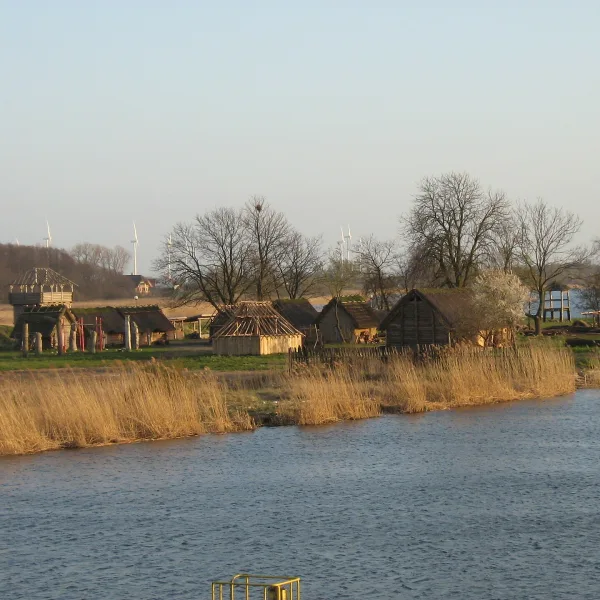
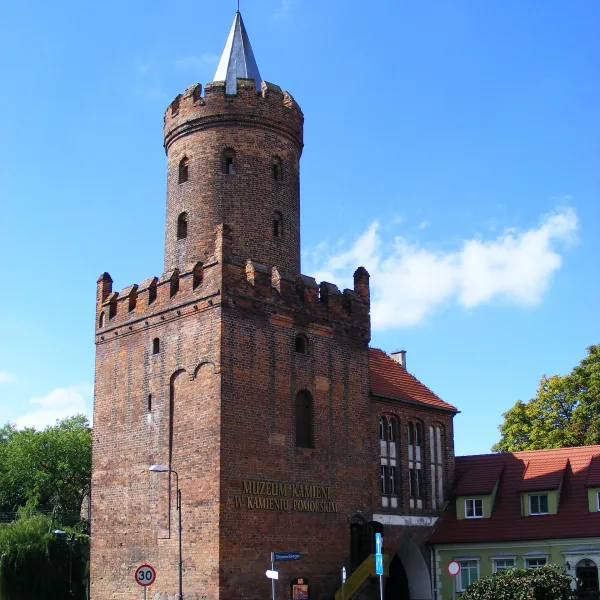
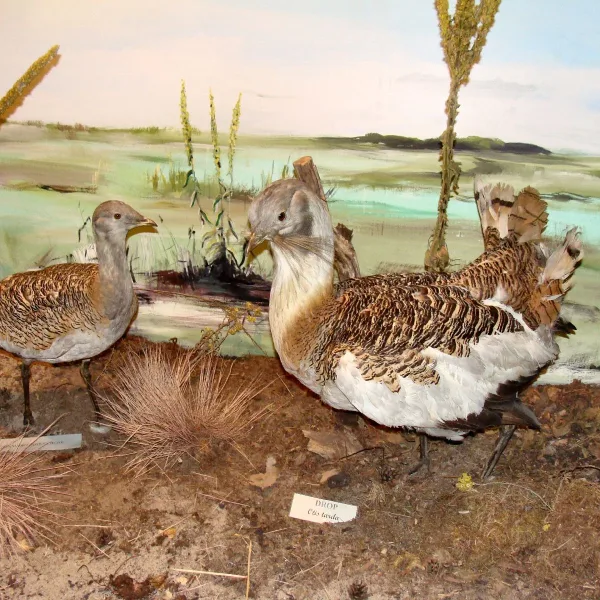
In Wolin, by the market square, stands the Andrzej Kaube Regional Museum with an exhibition on early medieval Wolin, Jomsborg and Slavic beliefs. Nearby is the Open-Air Museum in Wolin: a medieval open-air museum from 2008 with ramparts, a palisade and huts. In Międzyzdroje there are the Nature Museum of Wolin National Park with five rooms of dioramas, and the Wax Figures Museum with about 110 figures. In Kamień Pomorski there are three museums: the Museum of the History of the Kamień Land, Kleist House at Plac Katedralny 4 with the story of the capacitor, and the Stone Museum in the Wolin Tower and Gate, with dinosaur fossils and minerals. The page museums in Kamień Pomorski describes them together, and the article on Kamień Pomorski gives background.
Which museums are devoted to the war and the Pomeranian Wall?
Military museums in the region lie along the former line of fortifications: in Wałcz, Szczecinek, Zdbice and on the island of Wolin. They are often in former German shelters and bunkers.
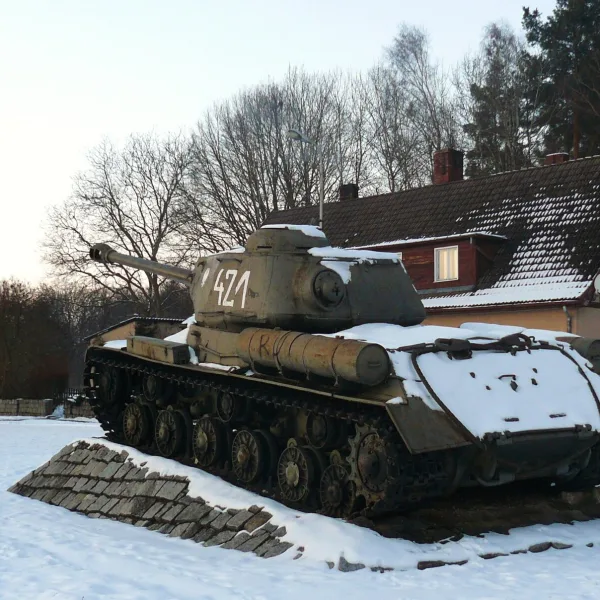
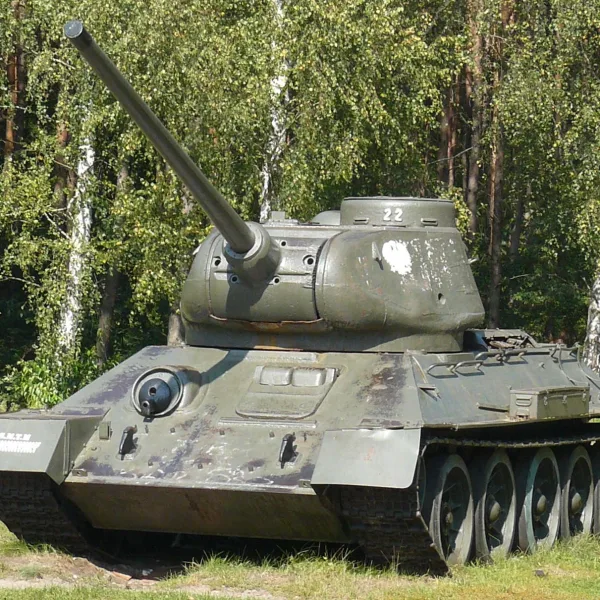
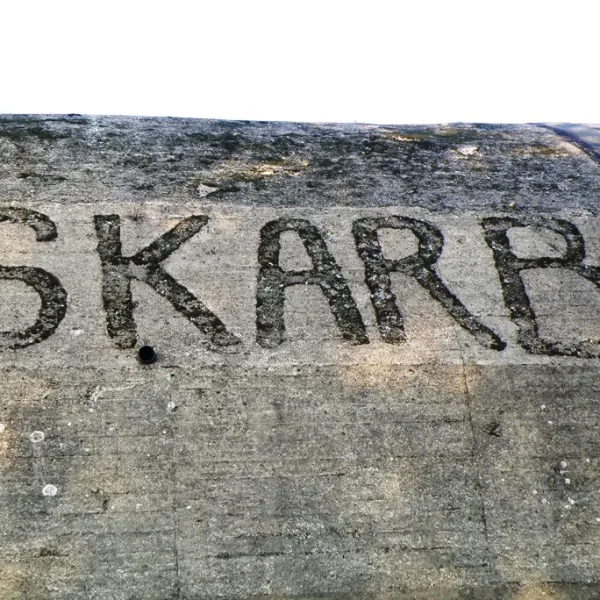
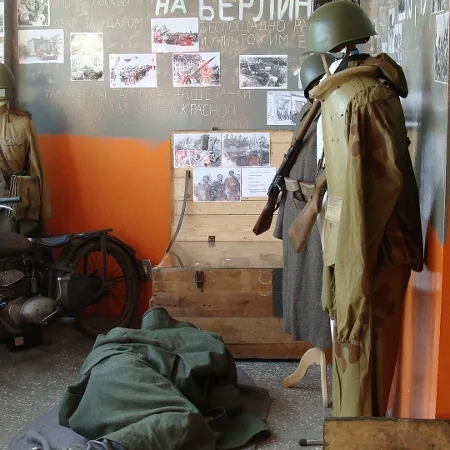
In Szczecinek the Museum of the Pomeranian Wall and the Second World War is in a German combat shelter from 1935 and has a T-34-85 tank. In Wałcz the Pomeranian Wall Museum occupies a former barracks site and shows military items and uniforms of the Second World War. The Battle Open-Air Museum of the 1st Polish Army in Zdbice holds equipment and fortifications from the 1945 fighting for the Pomeranian Wall, with a three-kilometre educational path past German shelters. A similar profile belongs to the "Tytan" Museum in Malechowo with military vehicles and the V3 Bunker in Zalesie with an exhibition of German V-3 weapons. In Stare Łysogórki the municipal museum documents the crossing of the Oder in 1945, and in Police the "Skarb" Historical Museum tells the story of the town, the plant and the labour camps. These places concern the war, so they are visited as places of remembrance, and you will find more such sites in the Places of remembrance section. For those interested in military technology there is also an article on military museums.
What regional museums operate in small towns?
The region's small towns have regional museums in historic buildings: chapels, manor houses and town halls. They show archaeology, local history and souvenirs, and a visit is short.
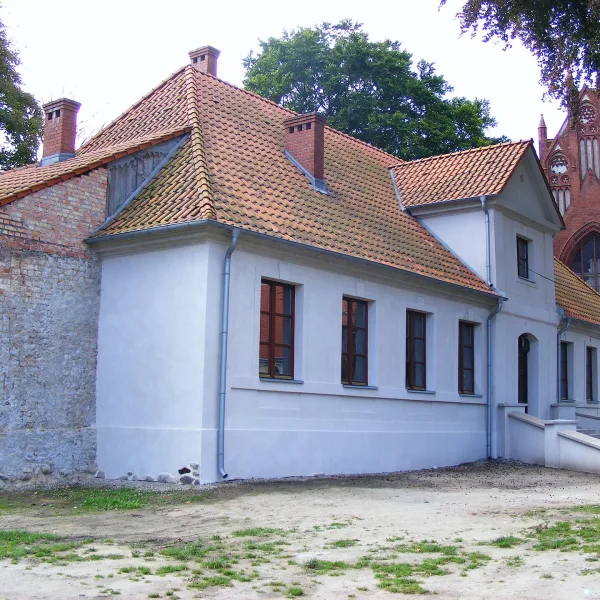
In Stargard the Archaeological and Historical Museum is in small townhouses and a guardhouse at Rynek Staromiejski 2-4. In Pyrzyce the museum operates in the Gothic Chapel of the Holy Spirit built of granite ashlar, and in Myślibórz the Myślibórz Lakeland Museum occupies a similar Gothic chapel from the 14th century and has a contemporary art gallery. The Regional Museum in Barlinek is in Gutenberg House, and the Regional Museum in Bobolice has exhibitions of archaeology, ethnography, nature and prison art. In Cedynia the regional museum has an archaeological exhibition, displays on the Battle of Cedynia and a viewing tower.
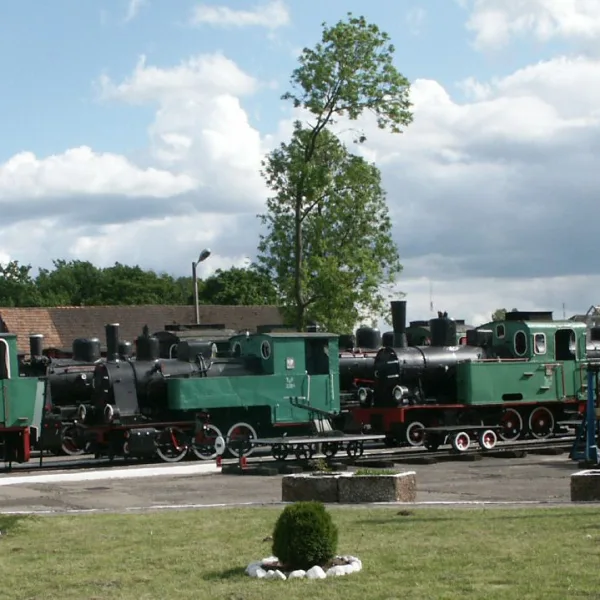
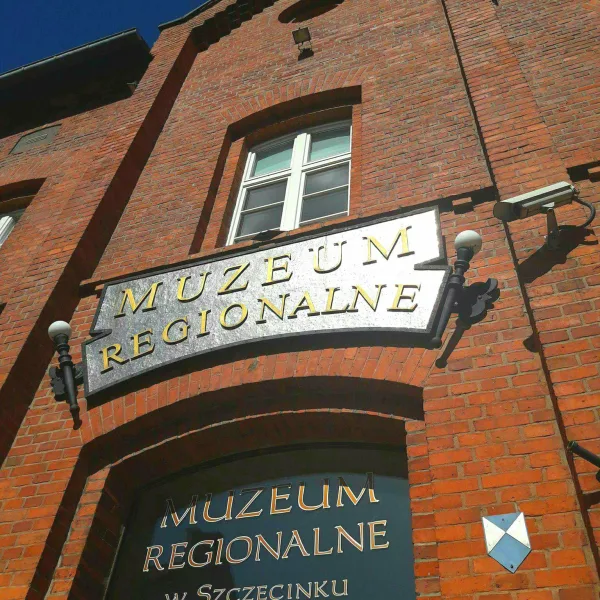
In Szczecinek the Regional Museum is one of the oldest museums in the region, with regional, noble, garrison, hunting and silver rooms. In Wałcz the Wałcz Land Museum is in a Neoclassical manor house from the early 19th century and has an open-air fortification display. In Karlino the Karlino Land Museum occupies the attic of a Royal Court building dating from 1905. You can read more about small venues in the article on museums of small towns. For narrow-gauge railways there is the permanent exhibition in Gryfice, a branch of the National Museum, and the page museums in Stargard offers further tips.
How do you combine museums into one route?
Routes are easiest to build by town, because distances between towns are large. In one town you can usually fit two or three museums, and the trip to the next is best left for the following day.
In Szczecin's Old Town you can see the National Museum building, the Dialogue Centre Przełomy and the underground routes under the station in one day: short walks separate the first two, while the third lies in Nowe Miasto. Devote the second day to the Museum of Technology and Transport and the Maritime Science Centre, because both are interactive and work well with children. On Wolin you can fit Wolin with its open-air museum and Regional Museum into one day, and then Międzyzdroje with the nature museum. On the coast it makes sense to combine Darłowo with Jarosławiec and Malechowo, and Niechorze with Trzęsacz. In Koszalin the branches lie in different parts of town, so check their locations before you go. Private museums, such as "Tytan" in Malechowo or the Amber Museum, complement a day after the larger institutions.
How do you plan museum visits in the rain and with children?
Every museum in this list carries the "rainy day" tag, so all suit weather that rules out a walk. With children, interactive places work best: the Maritime Science Centre, the Be Happy Museum and the Museum of Technology and Transport.
To fill out the day, look at the sections For children, Aquaparks and swimming pools and Theatres and opera. Ideas for families are also in the guide to Szczecin with a child. For a longer plan, combine museums with Historic sites, Culture and Churches and monasteries. When the weather improves, parks and nature, viewpoints and beaches and the coast fit well. By the water, look at lakes and spa towns, and in towns at atmospheric places, entertainment, cemeteries and monuments, hills and trails and lighthouses and ports.
Frequently asked questions
What is the largest museum in West Pomerania?
The National Museum in Szczecin. It has a main building on Wały Chrobrego, four branches in Szczecin and an exhibition in Gryfice.
Which museums are good for children?
Interactive places: the Maritime Science Centre, the Be Happy Museum and the Museum of Technology and Transport with its science centre. In Międzyzdroje, children may also enjoy the Wax Figures Museum.
Where can you see museums about the Second World War?
The Pomeranian Wall museums operate in Szczecinek and Wałcz, there is a battle open-air museum in Zdbice and a military vehicle museum in Malechowo. You will also find underground exhibitions under the main station in Szczecin.
Which museums are in historic buildings?
Among others the castle in Darłowo, the former town hall in Świnoujście, the chapels in Pyrzyce and Myślibórz and Gutenberg House in Barlinek. The Museum of Technology and Transport is in a former tram depot.
Is there anything about amber in the region's museums?
Yes: the Amber Museum in Jarosławiec, the museum in Świnoujście with amber in its collection, and the Sea Fishing Museum in Niechorze, which also presents it.

 Museums