Memorial sites in West Pomerania: Jewish and war cemeteries, sites of vanished synagogues and memorials in Police, Szczecin and Stargard.
This category gathers places linked to the history of wars, the Holocaust, repression and the former inhabitants of the region: cemeteries, sites of synagogues that no longer exist, memorials and the grounds of a former factory with forced-labour camps. These are places to visit with sobriety, usually in silence. Many are small, and some are only a plaque or a boulder on the former site.
Where to begin with memorial sites in West Pomerania?
A good start is Szczecin, because it holds the widest range: a vanished synagogue, the memorial to December 1970, cemeteries and a working Jewish section. Outside the city it is worth visiting Police, Stargard, Chojna and Borne Sulinowo, where the history of the war left visible traces.
The places in Szczecin are gathered on the page Miejsca pamięci: Szczecin. The region is wider, however, and scattered cemeteries in small towns form a separate, important thread. For that reason we arrange the rest by type: Jewish cemeteries, synagogues, war cemeteries, former necropolises and memorials.
What traces of old Jewish cemeteries survive in the region?
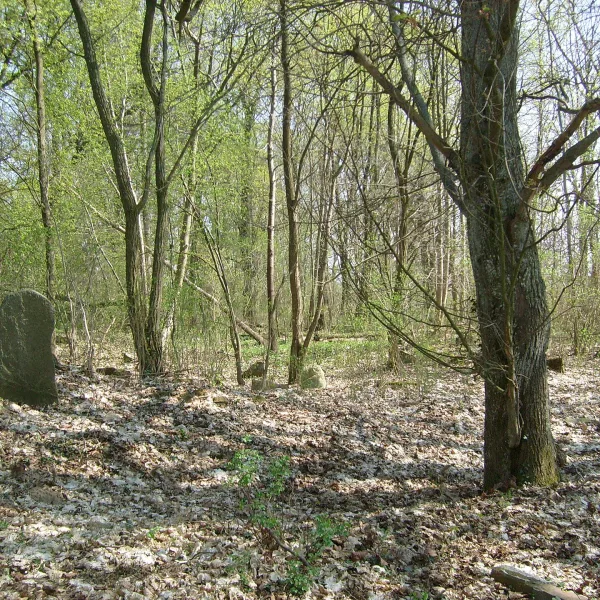
Jewish cemeteries make up the largest group here. They differ in condition, from a lapidarium with tidied gravestones to a forest plot with a few headstones. Some are entered in the register of monuments, and some are recalled only by a boulder or a plaque.
Cemeteries with surviving headstones
Cmentarz żydowski w Mirosławcu (Jewish cemetery in Mirosławiec) is in the register of monuments and has about 200 surviving headstones. Cmentarz żydowski w Świdwinie lies about 3 km from the market square, has about 70 headstones and was entered in the register in 1989. In Szczecinek, Dębno and Człopa the cemeteries date from the 18th and early 17th centuries: Cmentarz żydowski w Szczecinku has a former funeral-preparation house, Cmentarz żydowski w Dębnie only scant traces of graves, and Cmentarz żydowski w Człopie about ten sandstone headstones.
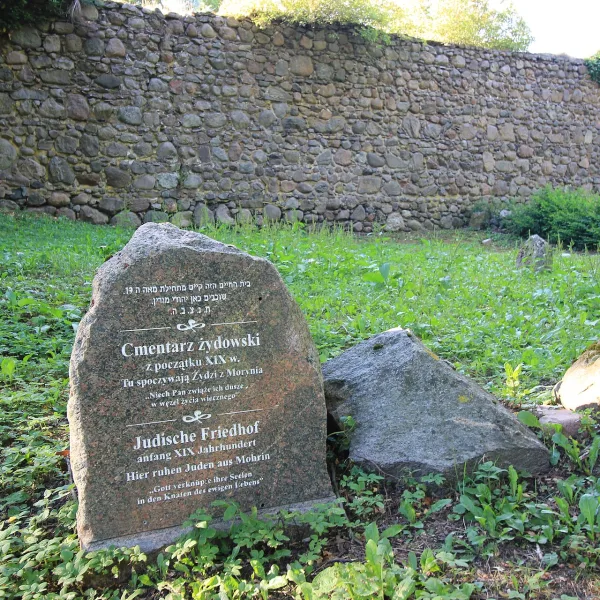
About ten headstones also survive at Cmentarz żydowski w Białym Borze, founded before 1785, and at Cmentarz żydowski w Chojnie, founded around 1850 and enclosed by a wall. In Moryń there are eight; the Cmentarz żydowski w Moryniu was founded around 1856 and used until 1944. At the Cmentarz żydowski w Cedyni seven gravestones were found and set up again.
Cemeteries that were destroyed or closed down
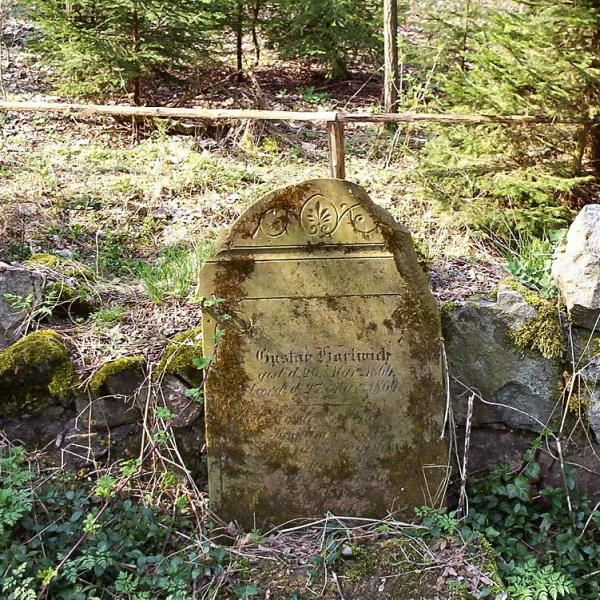
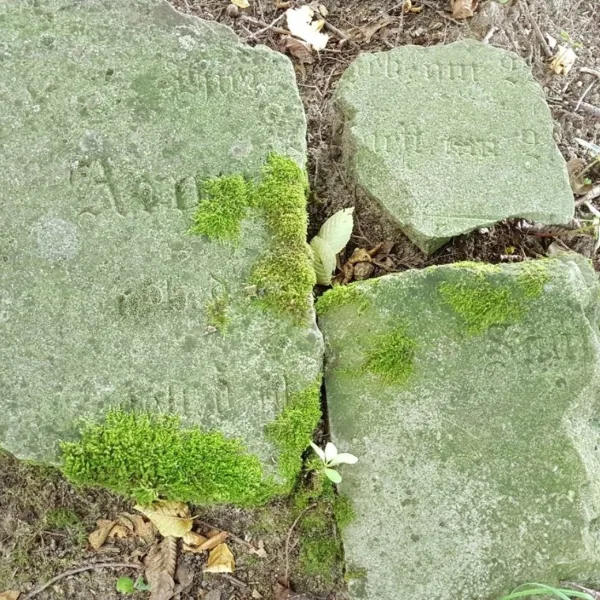
Not everywhere has much survived. Cmentarz żydowski w Boleszkowicach (powiat myśliborski) is a forest plot measuring 27 by 28 metres, with gravestones mostly in fragments, entered in the register in 2018. In Pyrzyce the cemetery from around 1735 was closed after 1969 and fragments of headstones remain in the undergrowth. Cmentarz żydowski w Połczynie Zdroju is an 18th-century site with fragments of headstones and an information plaque. The situation is similar in Dobrzany, where a collapsed wall, an open gate and two gravestones from the early 20th century survive, and in Banie, where there are a few headstones, one dated 1741.
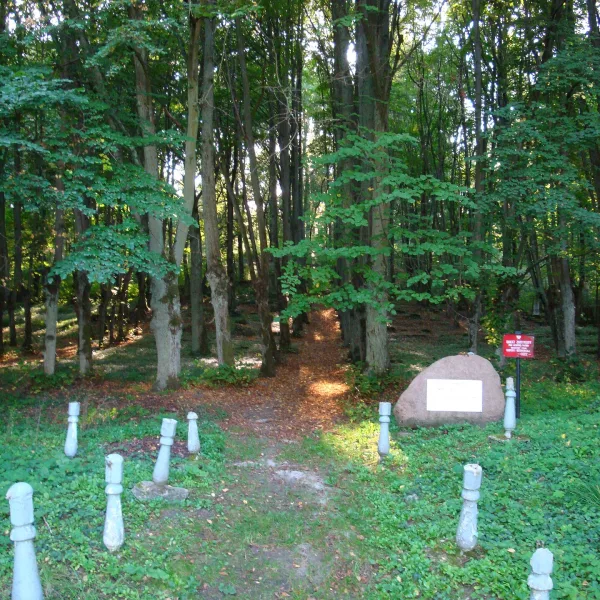
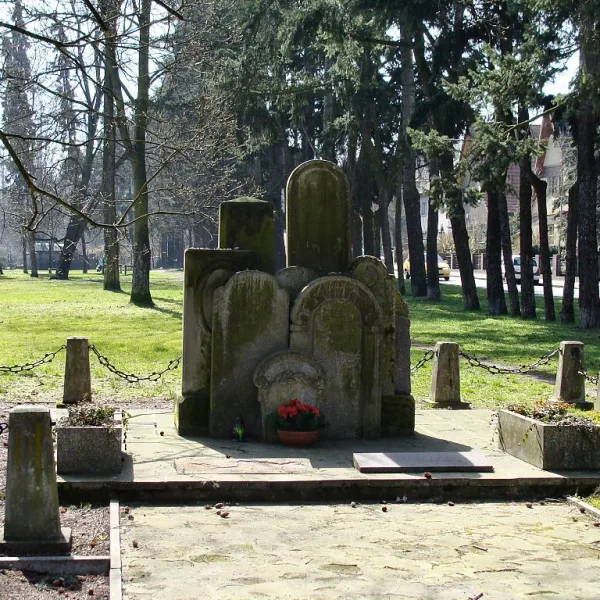
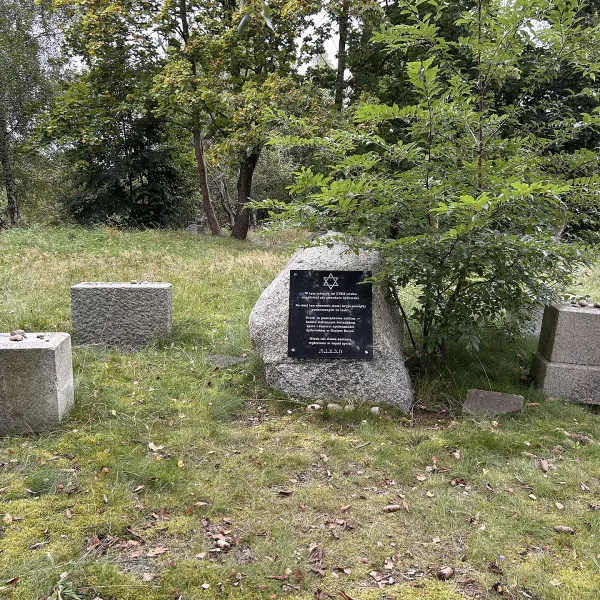
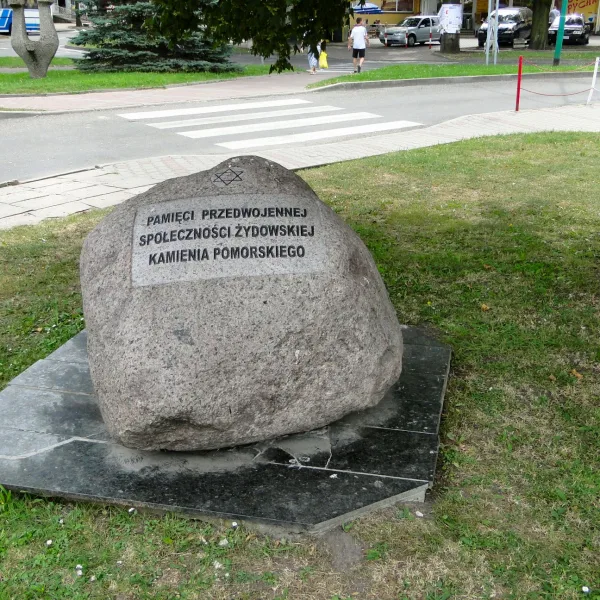
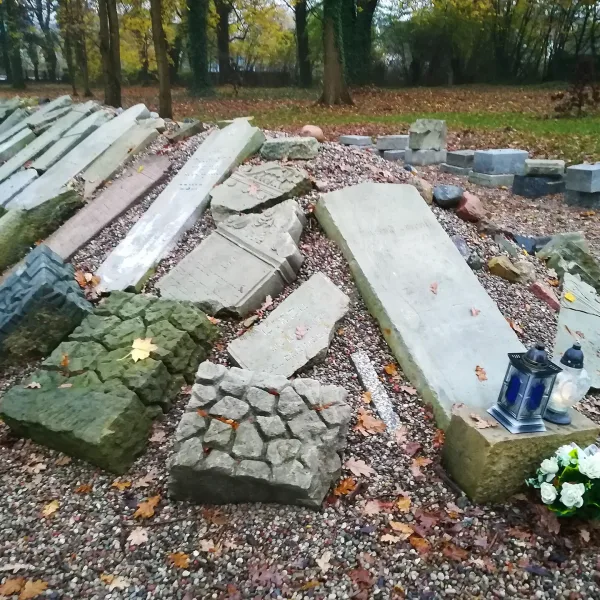
Where a cemetery has been closed down, memory is kept by a boulder, a plaque or a lapidarium. Cmentarz żydowski w Kamieniu Pomorskim is commemorated by a boulder dedicated to the pre-war community. Cmentarz żydowski w Sławnie, from the mid-19th century, has a lapidarium set up in 2016-2017. Stary cmentarz żydowski w Kołobrzegu, founded in 1812, is now a lapidarium with gravestones and a memorial to the victims of the Holocaust. Cmentarz żydowski w Maszewie was in use from 1812 to 1933 and received a place in the register of monuments in 2018.
Barlinek and Stargard
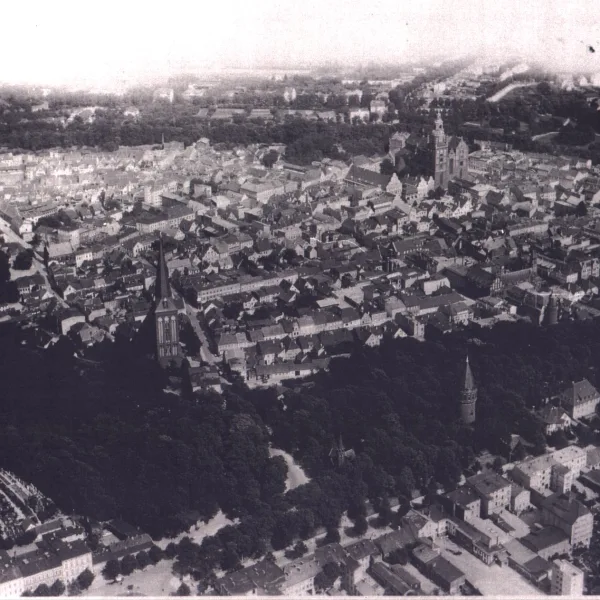
Cmentarz żydowski w Barlinku, from the turn of the 19th century, lies on a rise called Żydowska Góra (Jewish Hill). The cemetery in Stargard Szczeciński was founded in the 18th century on the former Gallows Hill and destroyed in 1938, and the surviving gravestones stand in the municipal cemetery and in the museum. In Barlinek a former Protestant cemetery is described below.
Where are the Jewish memorial sites in Szczecin?
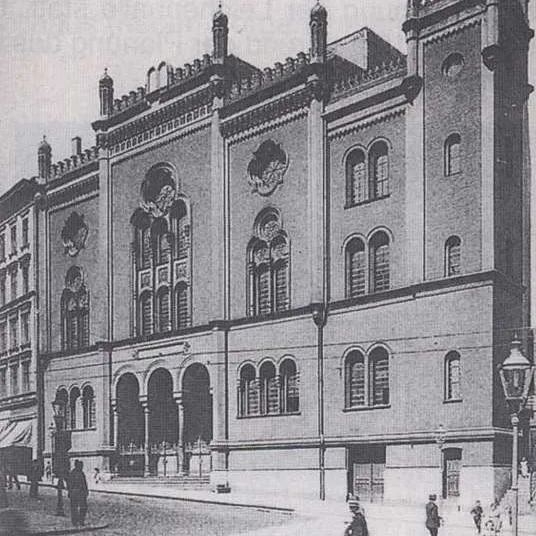
In Szczecin there are three different places. Nowa Synagoga w Szczecinie (the New Synagogue) no longer exists: it was built in 1873-1875 and set on fire during the night of 9-10 November 1938. A plaque beside the Książnica Pomorska building commemorates it, and the plot itself lies at ulica Dworcowa 9a.
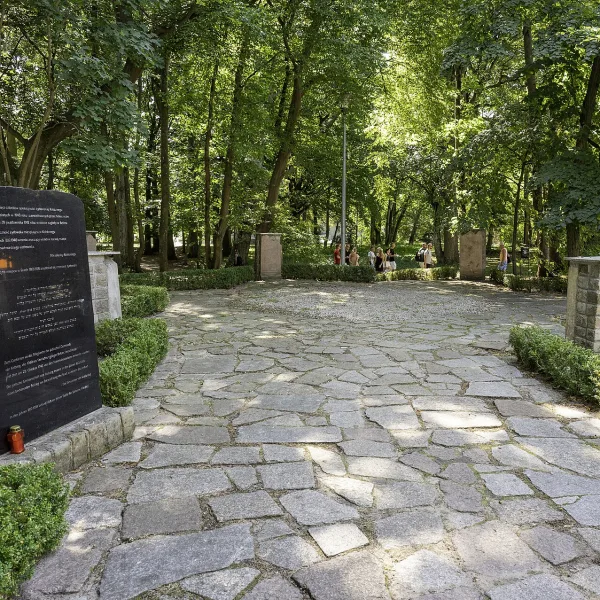
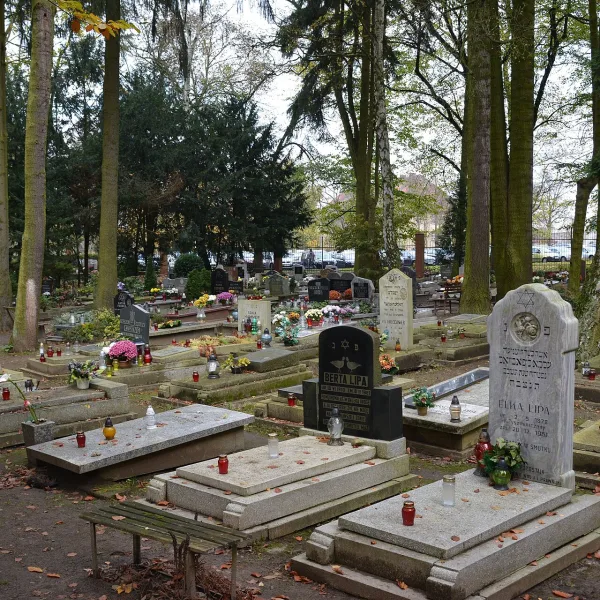
Cmentarze żydowskie w Szczecinie cover a former cemetery from 1821 by the streets Ojca Beyzyma, Gorkiego and Soplicy, closed in 1982 and now a park with a memorial. The other place is Kwatera żydowska Cmentarza Centralnego w Szczecinie, set apart in 1962, the only working Jewish cemetery in the region. Ashes from the former cemetery were moved to the section in 1982.
Where to find the sites of synagogues in other towns?
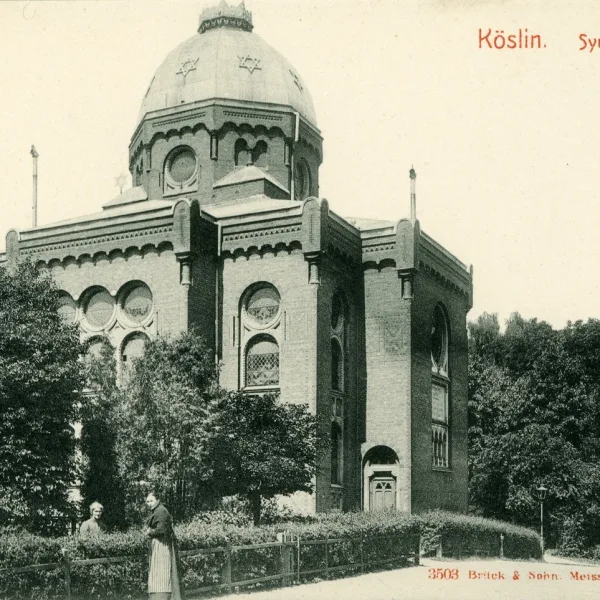
In Koszalin the Synagoga w Koszalinie no longer exists: it was built in the 19th century and destroyed during Kristallnacht. The site is marked by a boulder with a plaque from 1999. It is a sober stop, not a building whose interior you can visit.
Which war and military cemeteries are in the region?
War cemeteries differ in history and in the origin of those buried. In Drawsko Pomorskie the Cmentarz wojenny w Drawsku Pomorskim lies next to the municipal cemetery of 1850 and contains the graves of 3,458 soldiers from the First Polish Army killed in the Pomeranian operation of 1945. In Chojna the Cmentarz Żołnierzy Radzieckich w Chojnie, from 1950-1954, holds 3,985 Soviet soldiers killed in the Chojna and Kostrzyn lands.
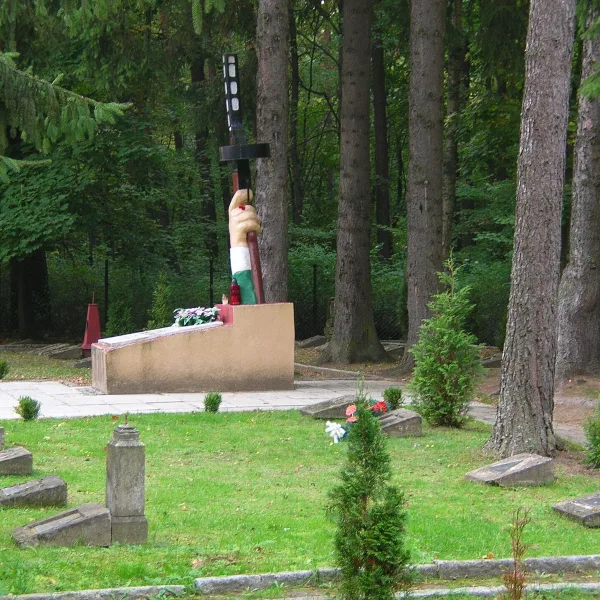
In Borne Sulinowo the Radziecki cmentarz w Bornem Sulinowie is a military cemetery in the forest with 344 graves, out of use since the end of the base in 1992. In Stargard the Cmentarz wojenny w Stargardzie Szczecińskim on ulica Reymonta was founded in 1914 as a cemetery for prisoners of both world wars. In Sosnowice near Golczewo the Cmentarz jeńców wojennych w Sosnowicach lies by the site of a former prisoner-of-war camp from 1941-1945, and plaques commemorate prisoners of many nationalities.
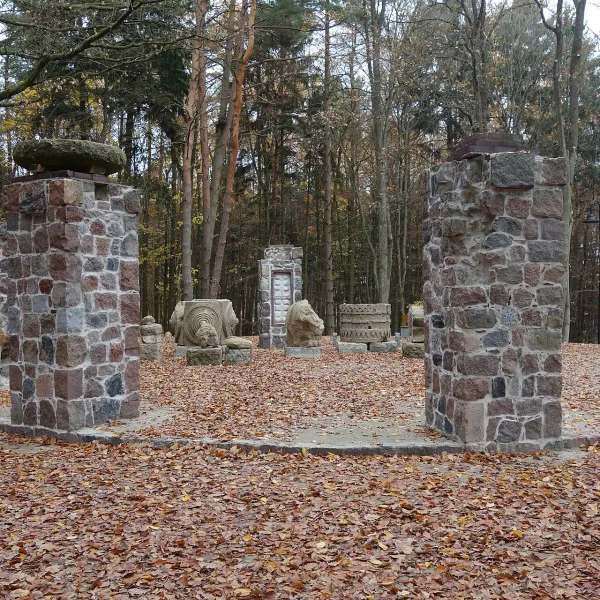
In Łobez the Kopiec Rolanda w Łobzie is a hill with the remains of a memorial to the townspeople of Labes killed in the First World War, entered in the register of monuments in 2013.
Which former necropolises in Szczecin became parks and squares?
Several former cemeteries in Szczecin have been transformed. Cmentarz Oświęcimski w Szczecinie was a municipal cemetery from around 1820 and since around 1980 has been a park with the entrance gate preserved. Cmentarz garnizonowy przy ulicy Kopernika w Szczecinie was founded in 1846 and today is a small green square with a fragment of wall and old trees. Cmentarz wojskowy przy ulicy św. Wojciecha w Szczecinie, from around 1750, is a square on plac Andersa with a boulder from the gravestone of French prisoners.
In the Łękno district a neoclassical chapel and wooded ground survive from a hospital cemetery of around 1871: this is the Cmentarz zakładu Bethanien w Szczecinie. The Cmentarz jeńców francuskich w Szczecinie on ulica Litewska is a small military necropolis with burials of French soldiers from 1870. In Barlinek the Cmentarz ewangelicki w Barlinku from the 19th century has been a town park since the 1970s, with a boulder commemorating former residents.
Which memorials and commemorative sites are in Szczecin and Police?
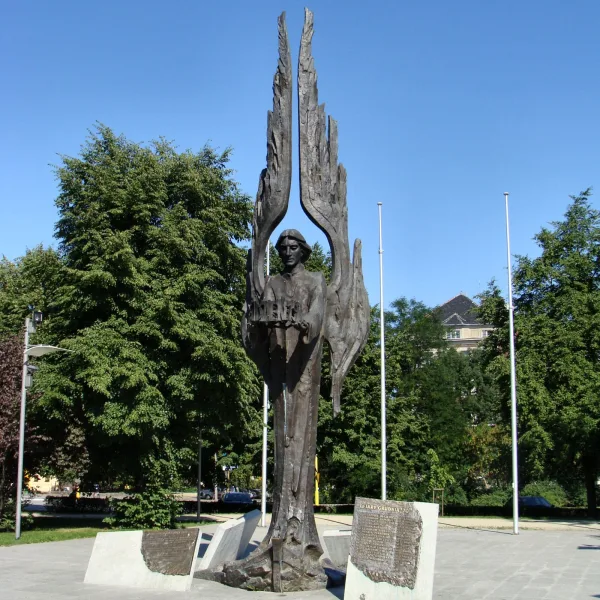
Pomnik Ofiar Grudnia 1970, popularly known as the Angel of Freedom, was unveiled in 2005 on plac Solidarności and commemorates those killed in Szczecin in December 1970. At the Central Cemetery stands the Pomnik "Tym, którzy nie powrócili z morza" w Szczecinie (memorial to those who did not return from the sea), a symbolic grave of sailors unveiled in 1989. In Kasprowicz Park stands the Pomnik Chłopca Węgierskiego w Szczecinie, a bronze sculpture from 2016, a gift from a Budapest district in thanks for help in 1956.
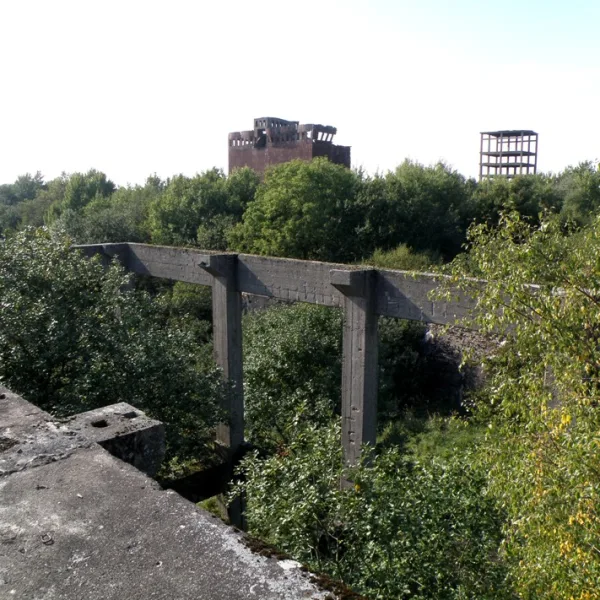
In Police the Fabryka benzyny syntetycznej w Policach, the German Hydrierwerke Pölitz, was one of twelve IG Farben plants producing fuel from coal. During the Second World War forced-labour camps and a German Nazi concentration subcamp operated at the factory. Today ruins, bunkers and a teaching trail run by the "Skarb" Museum remain.
In which towns are there the most memorial sites?
Szczecin has the most, thirteen on this list, from a synagogue site and a Jewish section to former garrison cemeteries and memorials. Koszalin, Stargard, Maszewo, Chojna, Barlinek and Drawsko Pomorskie have two each, and among others Police, Kołobrzeg, Moryń, Świdwin, Człopa, Łobez, Szczecinek, Kamień Pomorski, Sławno, Pyrzyce, Banie, Cedynia and Dobrzany one each.
For planning a trip this means two strategies. The first is a single day in Szczecin, where the places lie in Gumieńce, Łękno, the Old Town and New Town, the Centre, Niebuszewo-Bolinko and Zawadzkiego-Klonowica. The second is a route through the small towns of West Pomerania, where on the way to other destinations you can stop at one cemetery or one plaque. Details are in the descriptions of individual sites.
How to visit memorial sites?
These places call for a different pace than an ordinary walk. Many are cemeteries, so quiet and behaviour appropriate to a burial ground apply. Not every site has an information board, so it is worth reading the description beforehand and checking the way to smaller cemeteries. In one city, for example Szczecin or Stargard, several sites can be combined on one route.
Related themes include Cmentarze i pomniki (cemeteries and memorials), Zabytki (monuments) and Muzea (museums). The nature along the Oder is covered by the article Lower Oder Valley Landscape Park and Międzyodrze: nature, and the old town of Darłowo by Darłowo: the old town between St Mary's church, the High Gate and the Hemptenmacher house.
Frequently asked questions
Where in Szczecin is the site of the New Synagogue?
The New Synagogue stood at what is now ulica Dworcowa 9a. The building is gone, and its memory is kept by a plaque next to the Książnica Pomorska.
Which Jewish cemetery in the region is in use?
The working one is the Jewish section of the Central Cemetery in Szczecin, set apart in 1962. The other cemeteries on this list are no longer used.
Where to see a Jewish cemetery with many headstones?
The most surviving headstones are at the Jewish cemetery in Mirosławiec, about two hundred. Świdwin has about seventy.
Where are soldiers killed in 1945 buried?
In Drawsko Pomorskie 3,458 soldiers of the 1st Polish Army are buried, and in Chojna 3,985 Soviet soldiers.
Can the remains of the factory in Police be seen?
Yes. Ruins, bunkers and a teaching trail run by the "Skarb" Museum remain from the Hydrierwerke Pölitz factory.

 Places of remembrance