What to do in West Pomerania when it rains: over one hundred and fifty indoor places, from the National Museum in Szczecin to the castle in Darłowo.
A rainy day in the region is easiest to build around museums, theatres, the philharmonic hall and interactive exhibitions. Most such places are in Szczecin, Kołobrzeg and Koszalin, but smaller towns such as Wolin, Kamień Pomorski and Myślibórz have their own museums in historic buildings.
What to do in Szczecin when it rains?
In Szczecin choose the National Museum, the Przełomy Dialogue Centre, the Museum of Technology and Transport or the Maritime Science Centre. These are four large institutions, each of which fills several hours, and in the evening you can go to a concert or a performance.
Museums and science centres
The National Museum in Szczecin is the largest museum in West Pomerania, whose main building on the Chrobry Embankment (Wały Chrobrego) is joined by four other sites in the city and a display in Gryfice. The Prof. Jerzy Stelmach Maritime Science Centre is a hands-on centre devoted to the sea and navigation, in a building that resembles a ship on Nad Duńczycą Street, with a planetarium. The Museum of Technology and Transport occupies a former tram depot and shows Szczecin vehicles, trams and an interactive science centre, which works well with children.
The Przełomy Dialogue Centre Museum on Solidarity Square is an underground museum recounting the post-war fortunes of Szczecin and the region, in a building awarded World Building of the Year 2016. For an afternoon with a book, visit the Stanisław Staszic Pomeranian Library, the largest library in the region, open since 1905, with a Pomeranian studies reading room and digital collections.
Theatres and music
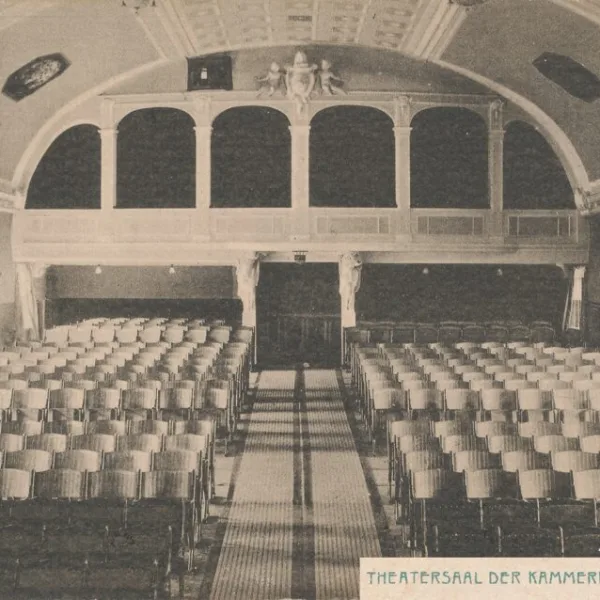
The Mieczysław Karłowicz Philharmonic has been based since 2014 in a bright building on Małopolska Street; the larger hall seats 953, the chamber hall 192. In the Old Town you will find Kana Theatre, an alternative stage from 1979 in a tenement on Peter and Paul Square, and the Contemporary Theatre in the National Museum building, with a Main Stage and the New Situations Stage. For younger audiences there is the Pleciuga Puppet Theatre, a municipal stage since 1958, in a new building on Teatralny Square since 2009. Kasprowicz Park's open-air Summer Theatre is out in the rain. The full list is on Na deszcz: Szczecin.
What indoor places are there in Kołobrzeg and Koszalin?
In Kołobrzeg and Koszalin a rainy day can be filled with museums and theatres, and the list also includes water parks and swimming pools. Kołobrzeg has more than a dozen places, and so does Koszalin, so the choice is wide despite the smaller scale than in Szczecin.
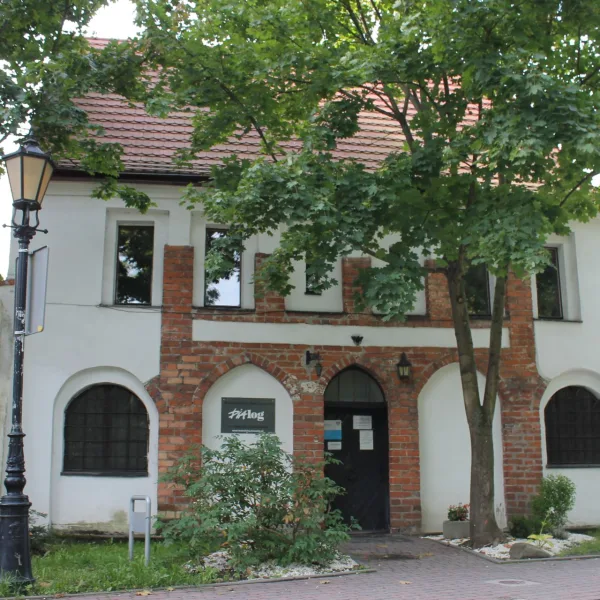
In Kołobrzeg the Kołobrzeg Museum "Patria Colbergiensis" occupies the cellars of the town hall and displays objects tied to the sieges of the fortress, weapons and mementoes of the guilds. In Koszalin the Museum in Koszalin on Młyńska Street collects archaeological finds, the history of the town and coins. Koszalin's theatres are the Adria Music Theatre, a private stage from 2020 in a former cinema, with a hall for about 300, and the "Dialog" Proposals Theatre in the historic Executioner's House on Grodzka Street. The Ignacy Jan Paderewski Amphitheatre has a rainbow-shaped roof and seats over four thousand, but it is a festival stage, so entry depends on the event.
Lists for these towns are Na deszcz: Kołobrzeg and Na deszcz: Koszalin.
Which museums and castles by the sea and on Wolin to choose?
By the sea in rain the best are Darłowo Castle, the Amber Museum in Jarosławiec, the Sea Fishing Museums in Niechorze and Świnoujście, and the museums in Międzyzdroje. Many show fishing traditions, amber and the nature of the Baltic.
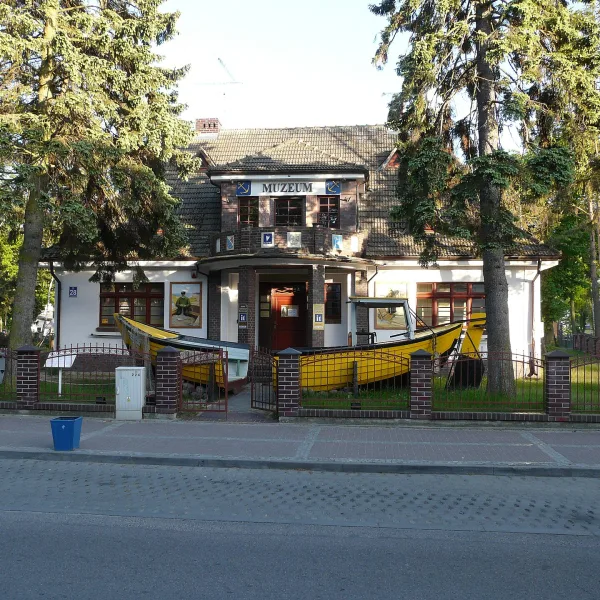
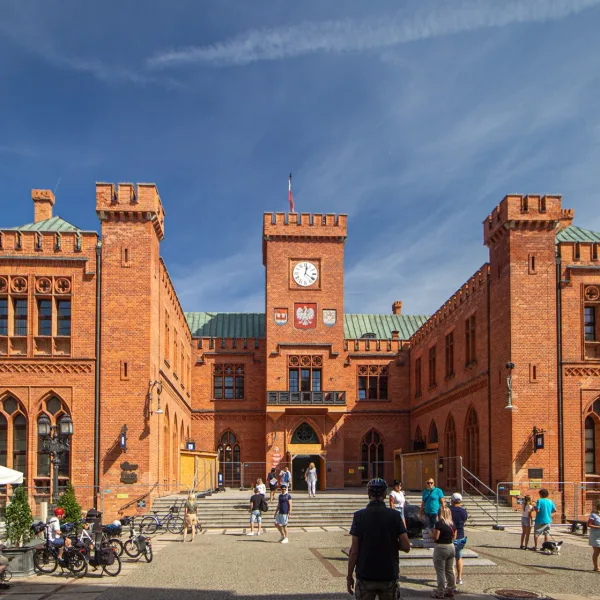
The Castle of the Pomeranian Dukes in Darłowo is a brick Gothic fortress of the 1300s on an island in the town centre, a museum since 1930 with displays on Eastern art, sculpture and an antique map of Pomerania. The Amber Museum in Jarosławiec is a private museum with a reconstruction of an amber forest and mine and a hall of inclusions. The Sea Fishing Museum in Niechorze occupies a villa from the 1930s and shows fishing gear, amber and boats outdoors, while the Sea Fishing Museum in Świnoujście is in a former town hall of 1806 and shows Baltic fauna, fishing tools and ship models.
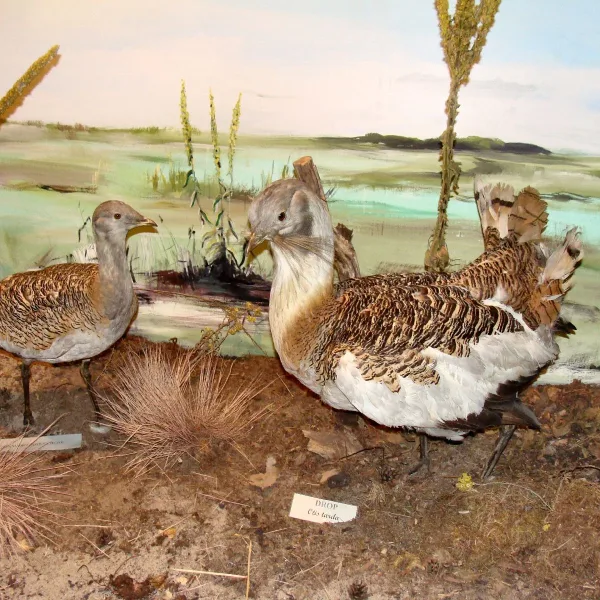
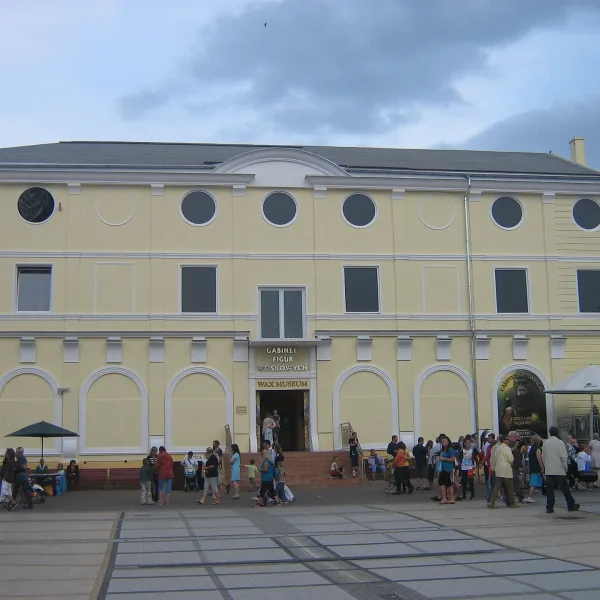
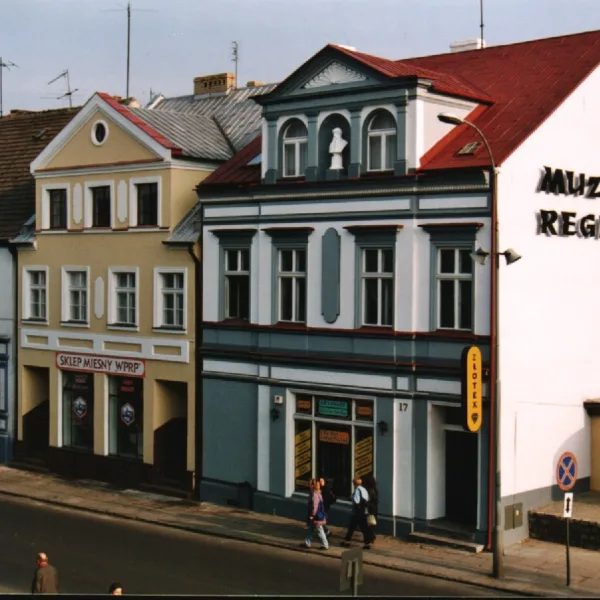
Międzyzdroje has three places: the Natural History Museum of Wolin National Park with five halls of dioramas of birds, seals and bison, the Wax Figure Museum with about 110 figures, and the Bison Show Reserve, a herd kept in a national park, so more an option for a break in the weather. In Wolin the Open-Air Museum with its palisade and huts of the early medieval town is complemented by the Andrzej Kaube Regional Museum, on the market square, beside the town hall, with an exhibition on Jomsborg and Slavic beliefs.
Where to shelter from the rain in smaller towns?
In smaller towns the most interesting are regional museums in historic buildings: in Myślibórz, Barlinek, Bobolice, Cedynia, Szczecinek, Kamień Pomorski, Stargard and Pyrzyce. A visit to each is shorter than to a large museum, so it combines well with a walk around the market square.
Gothic interiors and old tenements
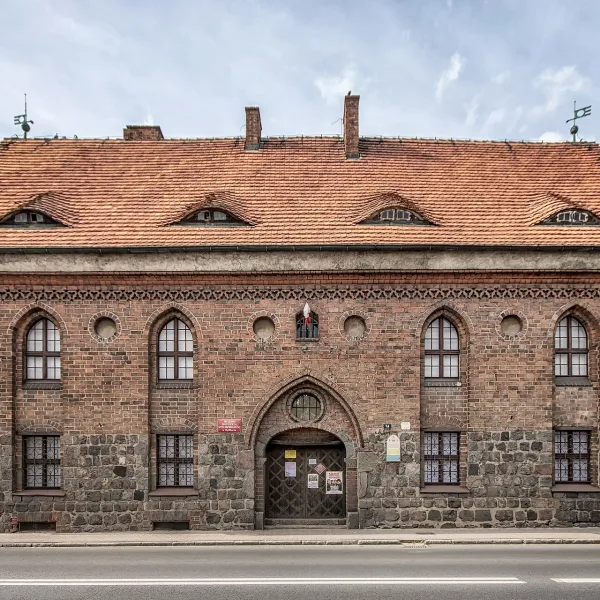
The Myślibórz Lakeland Museum is housed in a Gothic Holy Spirit chapel from the 14th century, with exhibitions on the town's history and a contemporary art gallery. Pyrzyce has a similar chapel: the Chapel of the Holy Spirit built of granite ashlar houses a department of the Pyrzyce Land Museum. The Regional Museum in Barlinek is seated in Gutenberg House and shows exhibitions on Emanuel Lasker, archaeology and life in the surrounding villages. The Regional Museum in Szczecinek is among the oldest in the region, with halls for regional history, nobility, the garrison, hunting and silver.
Kamień Pomorski, Stargard and Bobolice
Kamień Pomorski offers three reasons to go indoors: the Museum of the History of the Kamień Land, Kleist House, a Baroque manor by the cathedral where Kleist carried out his capacitor experiment, and the Museum of Stones in the 14th-century Wolin Tower and Gate, with dinosaur fossils. In Stargard the Archaeological and Historical Museum by the Old Town Market Square has a branch in the Bastei and archaeological collections. The Regional Museum in Bobolice shows archaeology, ethnography, nature, military items and prison art.
What to do with children when it rains?
With children, the Pleciuga Puppet Theatre, the Maritime Science Centre, the Museum of Technology and Transport, the narrow-gauge railway exhibition in Gryfice and museums with dioramas or figures work well. More than fifty places on the list are marked as family-friendly.
Children will also enjoy the Permanent Exhibition of Pomeranian Narrow-Gauge Railways in Gryfice, steam locomotives and wagons shown outdoors, run by the National Museum in Szczecin. Families with teenagers can choose water parks and swimming pools, of which there are over a dozen on the list, or escape rooms, bowling and trampoline parks. You will find the names of such places on the list of cards, together with the towns.
Where is the history of the 20th century and the war told?
Exhibitions on the 20th century are in Wałcz, Stare Łysogórki, Police and Malechowo. They are documentary in character and concern the war, so visitors approach them with due seriousness.
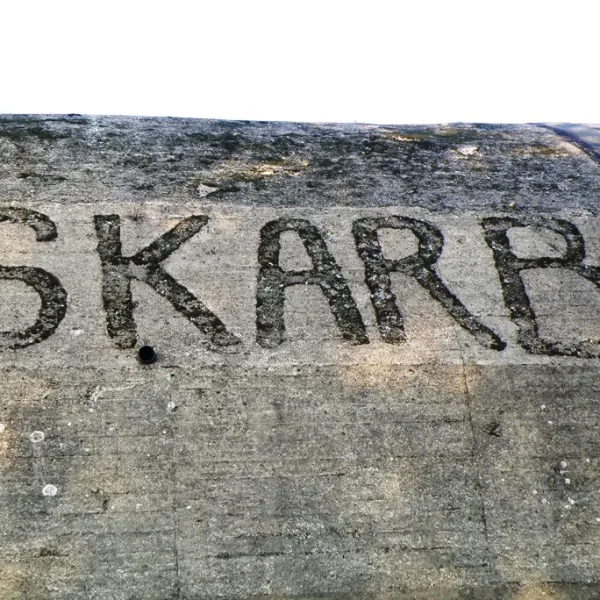
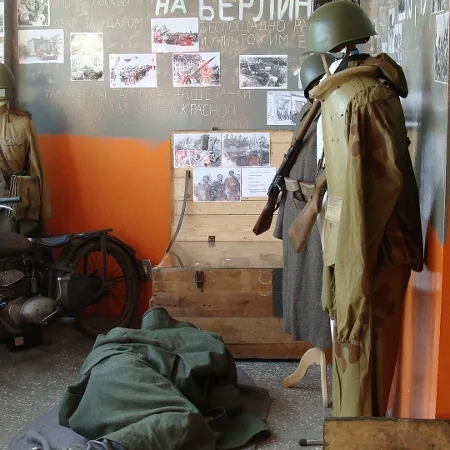
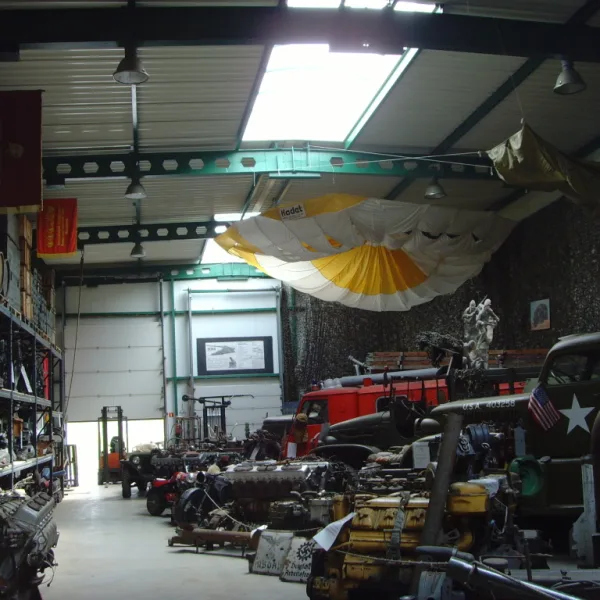
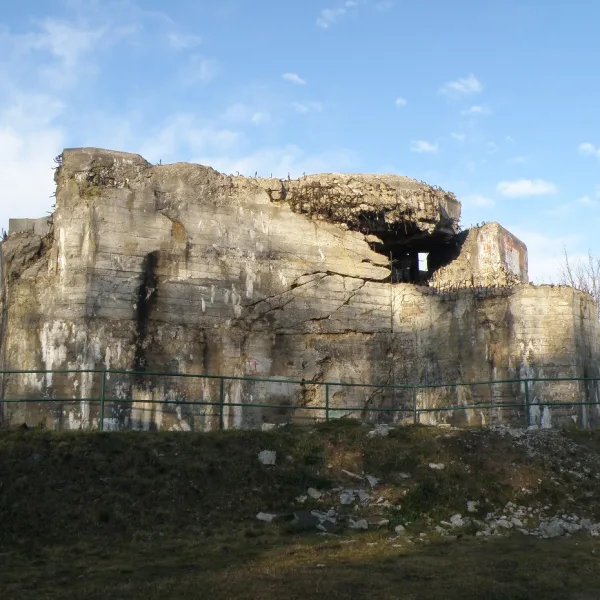
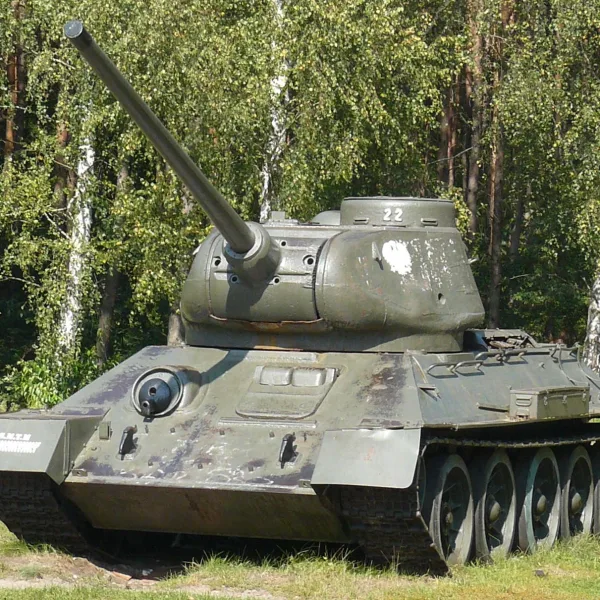
The Pomeranian Wall Museum in Wałcz presents weapons and uniforms from the Second World War on the grounds of a former barracks. The Museum of Memorabilia of the 1st Polish Army in Stare Łysogórki covers the 1945 crossing of the Oder. The "Skarb" Historical Museum in Police tells the history of the town, the synthetic petrol plant and the labour camps. The "Tytan" Museum in Malechowo is a private collection of military vehicles, artillery and bunkers.
How to plan a rainy day in the Old Town of Szczecin?
The Old Town has the most addresses on the list in Szczecin, so in the rain you can move between buildings without long journeys. The district gathers museums, theatres and a library within a few stops.
In one area lie the National Museum on the Chrobry Embankment, the Contemporary Theatre in the same building, the Przełomy Dialogue Centre on Solidarity Square, the Pomeranian Library on Podgórna Street and Kana Theatre on Peter and Paul Square. In the morning you can visit the National Museum, at midday look into Przełomy, and in the evening go to the theatre. The Maritime Science Centre stands on Międzyodrze-Wyspa Pucka and the Museum of Technology and Transport in Niebuszewo-Bolinko, so those two deserve separate days.
Where to go in the rain as a couple?
As a couple in the rain, theatres and the philharmonic hall are best: more than a dozen places are marked for couples, among them the Karłowicz Philharmonic, Kana Theatre, the Contemporary Theatre, the Pleciuga Puppet Theatre, the Adria Music Theatre and the "Dialog" Proposals Theatre. Their repertoire changes through the year, so check it in the events calendar.
How to plan a rainy day in the region?
It is best to choose one town and combine a museum with a theatre or a library. In Szczecin the Old Town gathers the most places, while Kołobrzeg and Koszalin offer a smaller choice that is still enough for a whole day.
When it rains all day, Szczecin is a good choice, because the Old Town and Międzyodrze-Wyspa Pucka districts offer many options close together. In seaside places such as Niechorze, Jarosławiec and Międzyzdroje there are several places each, so a rainy day by the sea has a sensible plan too. Lists for Stargard, Międzyzdroje, Niechorze and Szczecinek are Na deszcz: Stargard, Na deszcz: Międzyzdroje, Na deszcz: Niechorze and Na deszcz: Szczecinek, and for Borne Sulinowo Na deszcz: Borne Sulinowo.
Frequently asked questions
What to see in Szczecin on a rainy day?
Best are the National Museum on the Chrobry Embankment, the underground Przełomy Dialogue Centre, the Maritime Science Centre and the Museum of Technology and Transport in a former tram depot. In the evening you can go to the philharmonic hall or a theatre.
Where to go with a child when it rains?
Children will enjoy the Pleciuga Puppet Theatre, the Museum of Technology and Transport, the Maritime Science Centre with its planetarium and the narrow-gauge railway exhibition in Gryfice.
Which places by the sea are indoors?
Darłowo Castle, the Amber Museum in Jarosławiec, the Sea Fishing Museums in Niechorze and Świnoujście, and the museums in Międzyzdroje. Kołobrzeg has the Kołobrzeg Museum in the town hall cellars.
Are all the places on the list entirely indoors?
No. The Summer Theatre in Szczecin and the amphitheatre in Koszalin are open-air or only roofed stages, and the open-air museum in Wolin and the bison reserve have an outdoor part. Check this before you set out.
Where to see something unusual in a small town?
For example the Museum of Stones in Kamień Pomorski with dinosaur fossils in a medieval tower, or Kleist House with the place of the capacitor experiment.

 Museums